Mastering AI Prompt Engineering
Introduction to AI Language Models
How Language Models Think
At its core, an AI language model is a sophisticated pattern-matching machine. It's a type of artificial intelligence designed to understand, generate, and interact with human language. These models aren't truly "thinking" in the human sense, but they are incredibly good at predicting what words should come next in a sentence. This ability is built on a foundation of machine learning, a field of AI that gives computers the ability to learn without being explicitly programmed.
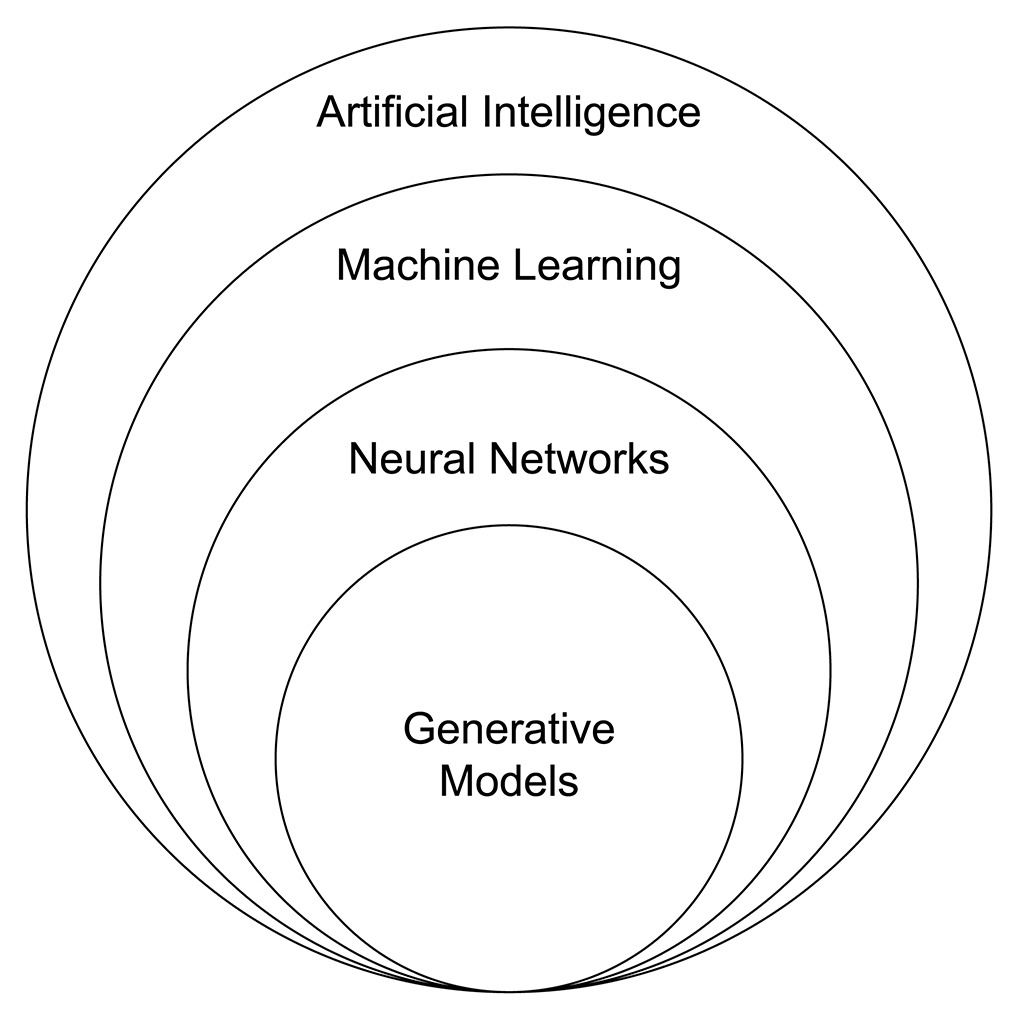
The architecture that powers most modern language models is called a neural network. It’s loosely inspired by the structure of the human brain. Just as our brains have billions of interconnected neurons that fire in response to stimuli, a neural network has interconnected nodes, or "neurons," organized in layers.
Information flows through this network. The first layer, the Input Layer, receives the initial data, like the words in your prompt. This information is passed to one or more Hidden Layers, where the bulk of the computation happens. Each connection between neurons has a "weight," a value that determines the strength of the connection. The neurons in the hidden layers process the inputs and pass them along until they reach the Output Layer, which produces the final result, such as the next word in a sentence.
Learning from a Library
So, how does the model learn what weights to use? Through training. Language models are trained on colossal amounts of text data from the internet, books, and other sources. This dataset acts like a massive library from which the model learns the patterns, rules, grammar, and nuances of human language.
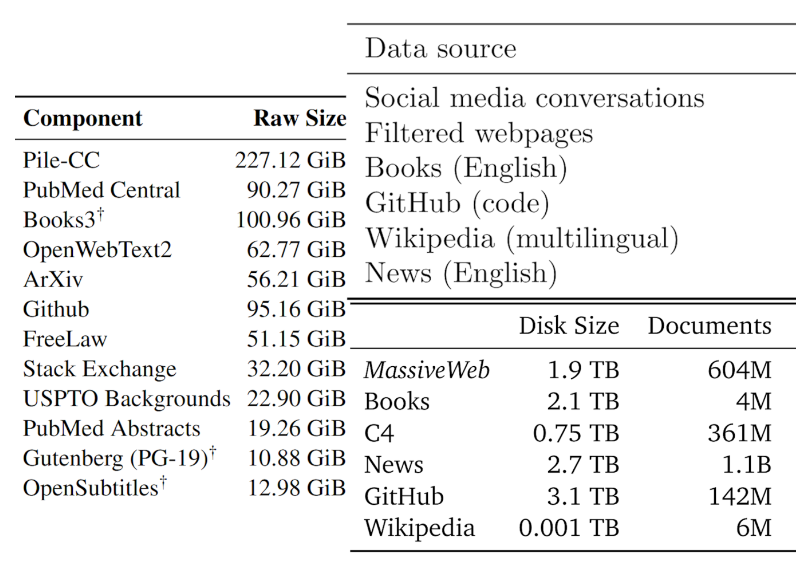
During training, the model is given a piece of text with a word missing and asked to predict that word. At first, its guesses are random and almost always wrong. When it gets an answer wrong, it adjusts the weights of its internal connections to make a slightly better guess next time. This process is repeated billions or even trillions of times. Each adjustment is tiny, but over time, the network gets progressively better at predicting words and understanding the statistical relationships between them. These adjustable weights are often called parameters.
Parameter
noun
In the context of AI, a parameter is an internal variable of the model, like a weight on a connection, that is adjusted during the training process. The number of parameters is often used as a measure of a model's size and complexity.
Generating a Response
Once trained, a language model generates text by performing a simple task over and over: predicting the next word. When you give it a prompt, like "The cat sat on the," the model processes these words through its neural network.
The output layer then produces a list of all possible next words, each with a probability score. The word with the highest probability, perhaps "mat," is chosen. The model then appends this word to the input sequence, creating a new prompt: "The cat sat on the mat." It feeds this new sequence back into the network to predict the next word, and the process repeats, generating text one word at a time.
Text generation is a chain of predictions. The model isn't planning a full paragraph; it's just figuring out the most probable next word at each step.
This probabilistic approach is why language models can produce such fluent and coherent text. The patterns they learned from the training data allow them to make very educated guesses about what word should come next, creating sentences that feel natural and human-like. It’s also why they can sometimes make mistakes or generate nonsensical information, as they are working from statistical likelihoods, not true understanding.
What is the core function of an AI language model?
The architecture that powers most modern language models, loosely inspired by the human brain, is called a:
Understanding this foundation of neural networks, training, and probabilistic text generation is the first step toward effectively communicating with these powerful AI tools.