Mastering Academic Poster Presentations
Understanding Academic Posters
What Is an Academic Poster?
An academic poster is a visual summary of your research. Think of it as a highlight reel for a scientific paper or project. Instead of pages of text, you use a large, single sheet to present your key information in a format that's easy to digest at a glance.
The main purpose is to share your work with others in a dynamic setting, like a conference or symposium. It’s a starting point for conversation. People can walk by, quickly grasp the essence of your research, and decide if they want to stop and learn more. This format encourages direct interaction, questions, and feedback from peers in your field.
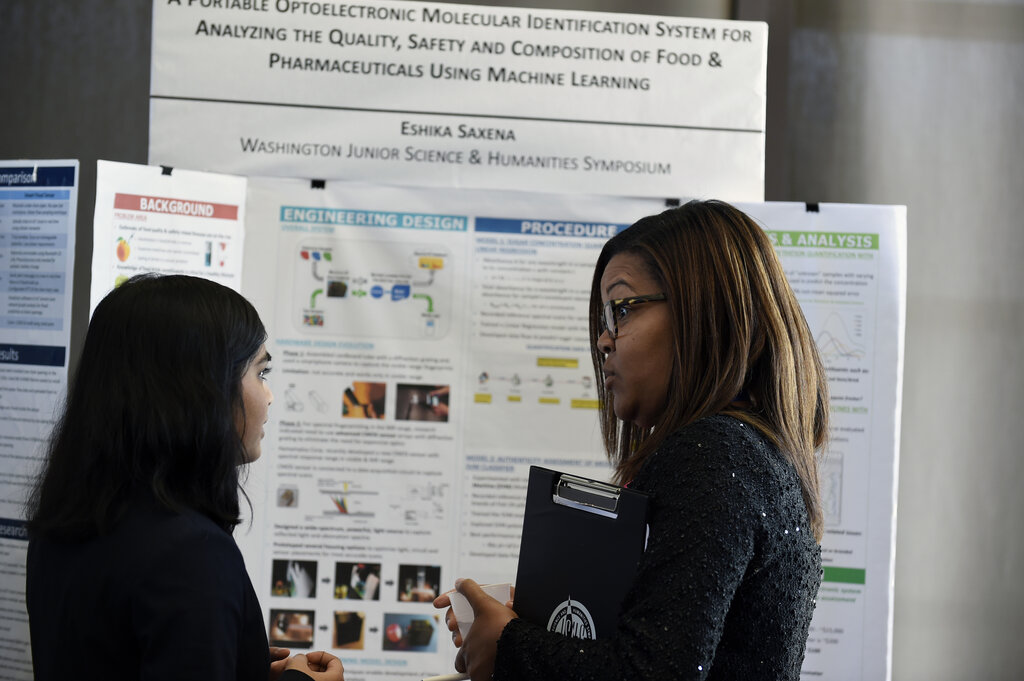
Scientific posters play a vital role in academic communication by presenting ideas through visual summaries.
Anatomy of a Poster
While designs can vary, most academic posters follow a standard structure that mirrors a research paper. It’s a logical flow that guides the viewer through your work from start to finish.
- Title and Authors: The title should be short, catchy, and descriptive. Your name and the names of any co-authors and your institution are listed just below.
- Introduction/Abstract: A brief overview of your research question. What problem did you study, and why is it important?
- Methods: A concise explanation of how you conducted your research. What techniques or procedures did you use?
- Results: This is often the largest section. Here, you present your key findings, usually with charts, graphs, or images.
- Conclusion: A summary of your main takeaways. What do your results mean, and what are the next steps?
- References & Acknowledgments: A space to cite sources and thank those who supported your work.
The key is clarity and conciseness. Your audience is likely walking through a crowded room, so you have only a few seconds to grab their attention. Use bullet points, short sentences, and impactful visuals. The poster isn't meant to contain every detail of your research, just the most important parts.
The goal is to be understood in a glance. Key findings should jump off the page.
Why Use a Poster?
Poster sessions are a cornerstone of academic conferences for good reason. They offer a unique way to engage with research that's different from a traditional lecture.
First, they facilitate one-on-one conversations. Viewers can approach you directly to ask specific questions about your work, leading to deeper, more personalized discussions. This interaction can provide valuable feedback and new perspectives on your research.
Second, posters are excellent for networking. You can connect with other researchers who have similar interests, which can lead to future collaborations. It’s a more relaxed and interactive format than a formal Q&A after a talk, allowing for genuine relationship-building.
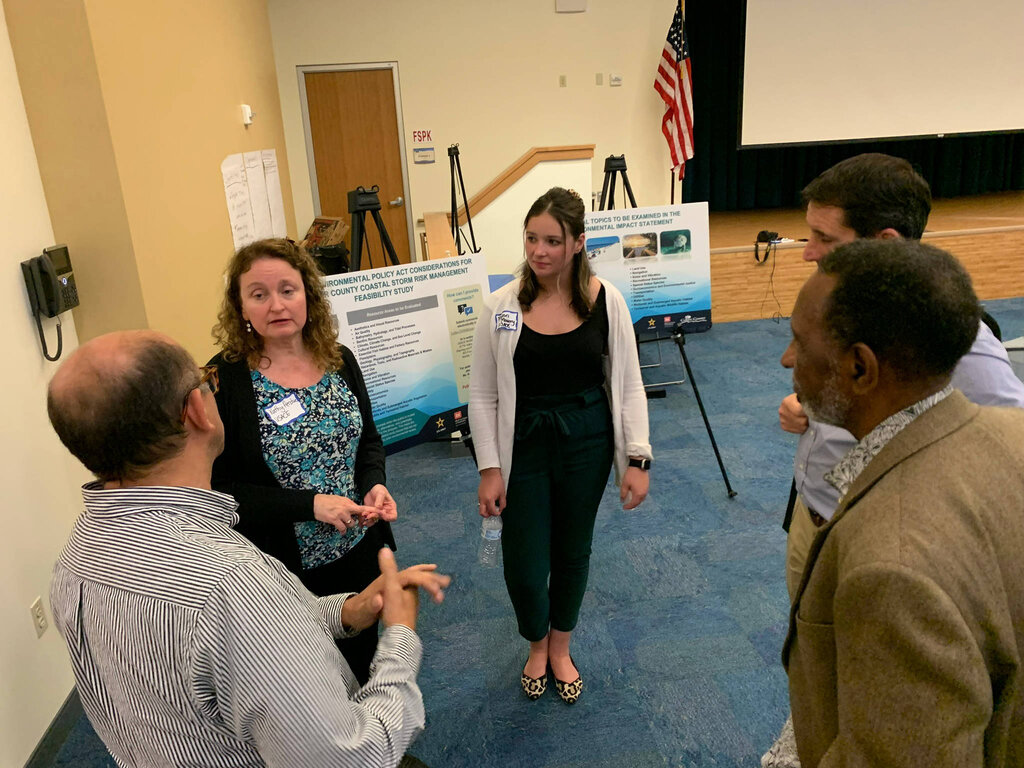
Ultimately, a poster is a powerful tool for sharing your work, generating discussion, and building connections within your academic community.