Master Your Sleep for Peak Performance
Understanding Sleep Basics
The Architecture of Sleep
Sleep isn't just an off switch for your brain. It's a highly active and organized process that your body goes through every night. Think of it less like powering down a computer and more like running a complex series of maintenance programs. During the night, your brain cycles through distinct stages, each with a unique job to do.
A full night of rest involves cycling through these stages multiple times. A single pass through all the stages is called a sleep cycle, and it typically lasts about 90 to 110 minutes. Most adults complete four to six of these cycles per night.
The Two Types of Sleep
Sleep is broadly divided into two main types: Non-Rapid Eye Movement (NREM) sleep and Rapid Eye Movement (REM) sleep. NREM sleep is further broken down into three stages, labeled N1, N2, and N3.
NREM Stage 1 (N1): This is the drowsy, transitional stage between wakefulness and sleep. It's very light sleep, and you can be easily awakened. Your muscles begin to relax, and your brain waves start to slow down. It only lasts a few minutes.
NREM Stage 2 (N2): You spend the most time in this stage—about half your total sleep time. Your body temperature drops, and your heart rate and breathing become more regular. Your brain produces brief bursts of rapid activity called sleep spindles, which are thought to play a role in memory consolidation.
NREM Stage 3 (N3): This is the deepest, most restorative stage of sleep, also known as slow-wave sleep. It’s much harder to wake someone from N3 sleep. During this stage, the body performs critical functions like repairing tissues, growing bone and muscle, and strengthening the immune system.
REM Sleep: About 90 minutes after falling asleep, you enter your first REM stage. As the name suggests, your eyes move back and forth rapidly behind your eyelids. Your breathing becomes faster and irregular, and your heart rate and blood pressure increase to near-waking levels. This is when most of your vivid dreaming occurs. Interestingly, your limb muscles become temporarily paralyzed to prevent you from acting out your dreams.
Why We Need Sleep
Every stage of sleep serves a purpose. During deep NREM sleep, the body focuses on physical restoration. It's when growth hormone is released, helping to repair cells and tissues. This is why you feel physically drained after a poor night's sleep—your body missed its prime repair window.
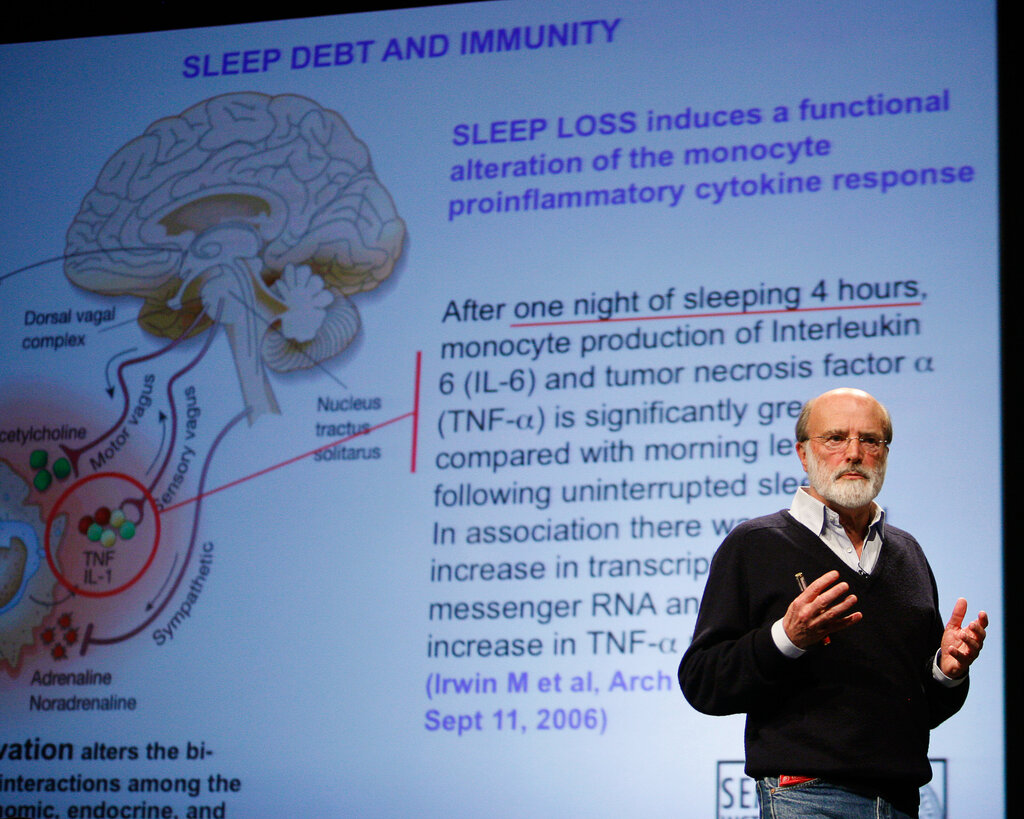
Mentally, sleep is just as crucial. It gives your brain a chance to process the day's events, consolidate memories, and clear out waste products that build up during waking hours. REM sleep, in particular, is vital for emotional regulation and creative problem-solving. A lack of sleep can leave you feeling irritable, unfocused, and mentally sluggish.
Sleep is more than just rest—it’s a powerful tool for learning, memory, and brain health.
Understanding this complex architecture is the first step toward appreciating just how important sleep is. It's not lost time; it's an essential, active process that keeps both your body and mind running smoothly.
Which stage of sleep do adults typically spend the most time in, accounting for about half of their total sleep?
If an athlete is focusing on physical recovery and muscle repair after a strenuous workout, which stage of sleep is most critical for them?