Master Your Sleep for Peak Performance
Understanding Sleep
The Architecture of Sleep
Sleep isn't just a state of being switched off. It’s an active, highly structured process that your brain and body go through every night. Far from being a simple pause, sleep is a complex journey through different stages, each with a unique purpose. The entire architecture of sleep can be divided into two main types: NREM and REM.
NREM
noun
Stands for Non-Rapid Eye Movement. This is the quieter phase of sleep, where the body rests and repairs itself. It's divided into three distinct stages.
The other major type of sleep is where the real action happens in the brain.
REM
noun
Stands for Rapid Eye Movement. This is a highly active phase of sleep characterized by rapid eye movements, increased brain activity, and vivid dreams.
Journey Through a Sleep Cycle
Over the course of a night, you travel through these stages in a predictable pattern called a sleep cycle. Each cycle lasts about 90 minutes and repeats several times.
A typical cycle begins with NREM sleep, progressing through its three stages:
-
N1 (Light Sleep): This is the brief, transitional stage when you're just drifting off. Your heartbeat, breathing, and eye movements slow down, and your muscles relax. You can be easily woken up.
-
N2 (Deeper Sleep): You spend about half your total sleep time in this stage. Your body temperature drops, and your brain waves slow further, with occasional bursts of rapid activity called sleep spindles. These spindles are thought to play a role in processing memories.
-
N3 (Deep Sleep): Also known as slow-wave sleep, this is the most restorative stage. It's much harder to wake someone from N3 sleep. During this time, the body performs critical functions like repairing tissues, building bone and muscle, and strengthening the immune system.
After deep sleep, you cycle back up through N2 and then enter REM sleep. REM is a state of fascinating contrast. Your brain becomes highly active, similar to when you're awake. Your eyes dart back and forth behind your eyelids, which is how it gets its name. Breathing becomes faster and irregular, and your heart rate and blood pressure increase. Meanwhile, your limb muscles become temporarily paralyzed to prevent you from acting out your dreams.
This entire sequence, from N1 to REM, makes up one sleep cycle. As the night goes on, the composition of each cycle changes. You experience more deep N3 sleep early in the night and longer, deeper REM periods in the hours before you wake up.
Your Brain's Night Shift
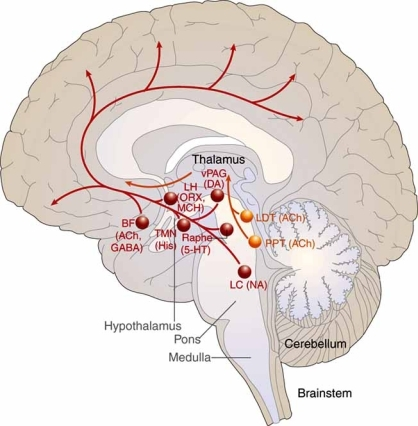
While your body rests, your brain is hard at work. One of its most important jobs during sleep is memory consolidation. Throughout the day, your brain takes in a massive amount of information. Sleep is when it sifts through these new memories, discards unimportant details, and strengthens the connections for things worth keeping. This process moves memories from short-term storage to long-term storage, essentially filing them away for future access. This is why a good night's sleep after studying can make a huge difference in how much you remember.
Sleep is crucial for learning. It solidifies new skills and knowledge, making them stick.
Beyond memory, sleep is also when the brain performs essential maintenance. A network called the glymphatic system becomes much more active during sleep. It acts like a sanitation crew, flushing out metabolic waste products that accumulate in the brain during waking hours. This cleanup process is vital for maintaining healthy brain function and may help protect against neurodegenerative diseases.
The Cost of Skipping Sleep
When you don't get enough sleep, these critical processes are cut short. The consequences of sleep deprivation show up quickly in both your mental and physical health.
Cognitively, a lack of sleep impairs attention, concentration, and problem-solving skills. You might find it harder to learn new things or make decisions. Your emotional regulation also suffers, making you more prone to irritability and mood swings. This happens because the prefrontal cortex, the part of your brain responsible for executive functions, is highly sensitive to a lack of sleep.
Physically, sleep deprivation weakens your immune system, making you more susceptible to illness. It also disrupts the hormones that regulate appetite, which can lead to weight gain. Chronic sleep loss is linked to a higher risk of serious health problems, including heart disease and diabetes.
In short, sleep is not a luxury. It's a fundamental biological need that is essential for your mind and body to function at their best.
During which stage of sleep does the body primarily focus on repairing tissues, building muscle, and strengthening the immune system?
The glymphatic system, which clears metabolic waste from the brain, is most active during waking hours.