Master Data Analysis
Introduction to Data Analysis
What Is Data Analysis?
Data analysis is the process of inspecting, cleaning, transforming, and modeling data to discover useful information, inform conclusions, and support decision-making. Think of a data analyst as a detective. They gather clues (data), examine them for patterns, and piece them together to solve a puzzle or answer a question.
In our world, data is everywhere. Every time you stream a movie, buy a coffee, or even just walk down the street with your phone, you're generating data. This massive amount of information is just noise until someone analyzes it. Data analysis turns that noise into meaningful stories and actionable insights, helping businesses understand their customers, scientists make new discoveries, and governments improve public services.
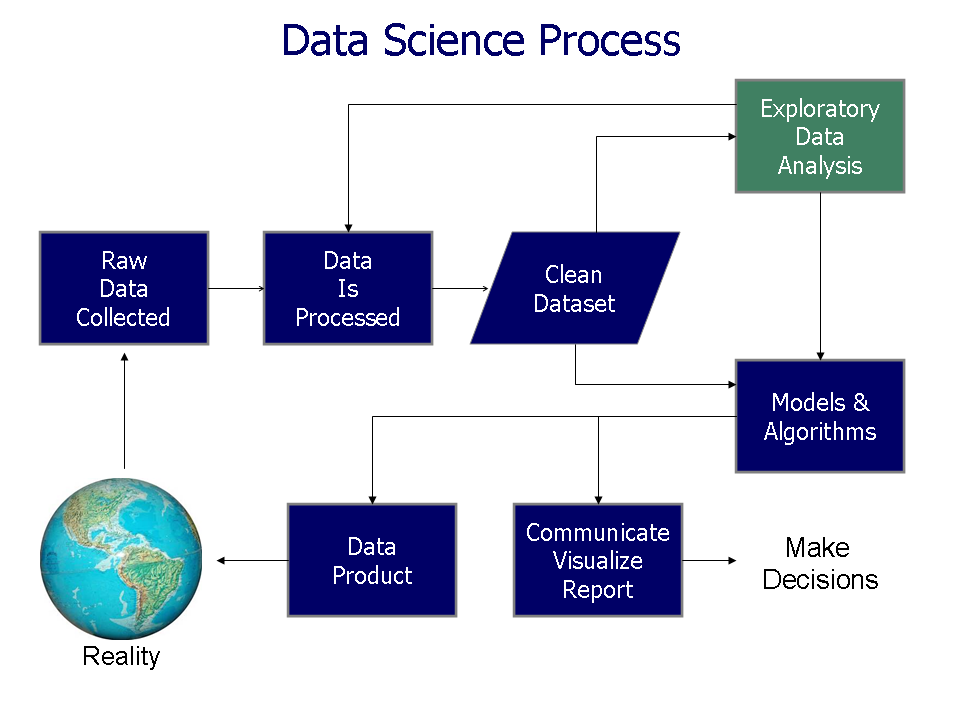
The Data Analysis Process
While the specific techniques can get complex, the overall process of data analysis follows a clear path. It’s a structured journey from raw facts to refined understanding. Each step builds on the last, ensuring the final conclusions are sound and reliable.
Let's quickly walk through these steps.
- Data Collection: This is the starting point, where raw data is gathered from various sources, such as surveys, databases, or sensors.
- Data Cleaning: Raw data is often messy. This step involves fixing errors, handling missing values, and removing inconsistencies to ensure the data quality is high.
- Data Transformation: Here, the cleaned data is organized and structured. This might involve sorting it or converting it into a more usable format for analysis.
- Modeling & Analysis: This is where the core investigation happens. Analysts apply statistical techniques or algorithms to find patterns, correlations, and trends within the data.
- Interpretation & Reporting: Finally, the findings are translated into a clear, understandable story. This often involves creating charts and reports to communicate the insights to others so they can make informed decisions.
The goal of the process is to turn raw data into a clear story that can guide decisions.
Key Ideas and Terms
As you explore data analysis, you'll encounter some important terms. Understanding them is key to grasping how analysts work with data. Let's look at a few fundamental concepts.
Descriptive statistics
other
Methods used to summarize and describe the main features of a collection of data.
Descriptive statistics tell you what happened. They summarize the data you have, but they don't try to make predictions beyond that data.
Inferential statistics
other
Methods that use data from a sample to make generalizations or predictions about a larger population.
Inferential statistics are about looking beyond the data you've collected. They help you guess what might happen in a larger group or in the future.
Two other fields you'll often hear about are data mining and business intelligence. They are closely related to data analysis but have slightly different focuses.
| Term | Focus |
|---|---|
| Data Mining | Discovering hidden, previously unknown patterns in very large datasets. It's often more exploratory. |
| Business Intelligence (BI) | Using data to help a company make better business decisions. It focuses on analyzing past performance to guide current actions. |
Data Analysis in Action
The applications of data analysis are endless. In healthcare, it helps predict disease outbreaks and personalize patient treatments. In finance, it's used to detect fraudulent transactions and assess credit risk.
Retail companies like Amazon use data analysis to power their recommendation engines, suggesting products you might like based on your past behavior. Streaming services like Netflix analyze viewing data to decide which new shows to produce. Even city planners use data to optimize traffic flow and improve public transportation.
Essentially, any field that generates data can benefit from analyzing it.
Now that you understand the basic concepts, let's test your knowledge.
What is the primary goal of data analysis?
Which of the following correctly lists the first three steps of the data analysis process in the correct order?
Data analysis is a powerful tool for making sense of a complex world. By following a structured process and understanding key concepts, we can turn vast amounts of information into valuable knowledge.