Mapping User Journeys
Introduction to User Journeys
Putting Yourself in Their Shoes
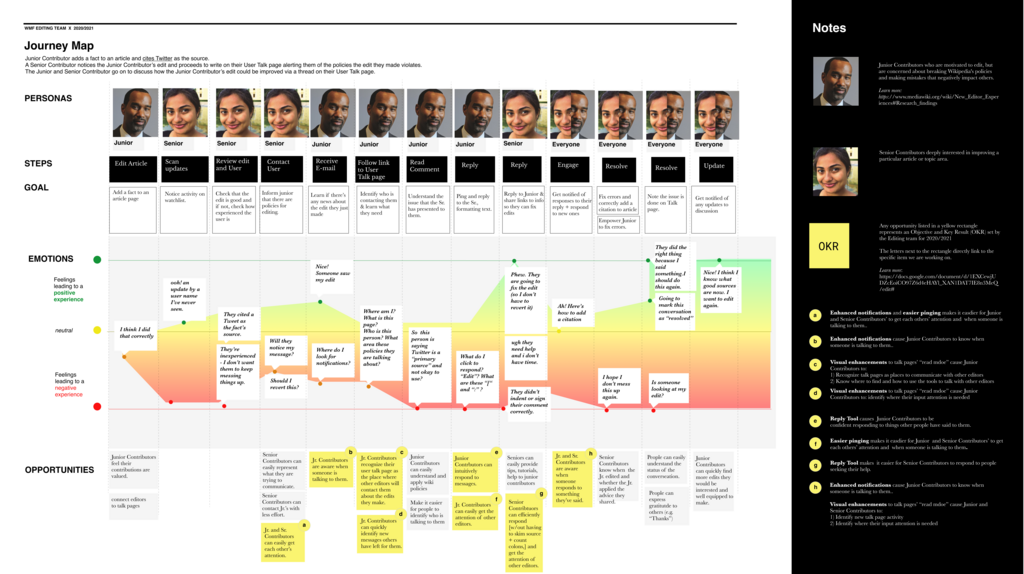
A user journey is the story of someone's experience with a product or service. It’s a step-by-step path a person follows to achieve a goal, like buying a concert ticket online or finding a new doctor through an app. Think of it like a short story. It has a beginning (the user's initial need), a middle (the steps they take), and an end (their goal is met... or not).
It's not just about the clicks. A user journey also captures the user's thoughts, feelings, and frustrations along the way.
By mapping this journey out, we create a visual representation of the user’s entire experience. This isn't just a technical diagram; it's an exercise in empathy. It helps designers, developers, and business leaders see their product from the outside in, through the eyes of the person who actually uses it.
Why Journeys Matter
Without understanding the user's journey, building a product is like trying to give directions to a place you've never been. You might get the big picture right, but you'll miss the crucial details—the confusing intersection, the poorly marked turn, the unexpected dead end. These small points of friction can ruin the entire experience.
User journey maps are a foundational tool in user experience (UX) design because they force teams to confront the user's reality. They reveal the moments of delight and the points of pain. Where did the user get stuck? What made them feel confident? What question popped into their head right before they gave up?
A user journey map serves two fundamental purposes: cultivating empathy and understanding, and pinpointing areas for improvement.
This understanding aligns the entire team. Instead of debating features based on opinions, everyone can focus on a shared goal: making the user's path smoother, faster, and more enjoyable. It shifts the conversation from "what we think" to "what the user needs."
The Benefits of a Clear Path
Mapping the user journey isn't just a feel-good exercise. It delivers real business results. When you identify and fix the pain points in a user's experience, good things happen.
For one, customer satisfaction improves. People appreciate products that are easy and intuitive to use. A smooth journey can be the difference between a loyal customer and a frustrated one who leaves a bad review. This directly impacts conversion rates. By removing obstacles—like a confusing checkout process or a hard-to-find button—you make it easier for users to accomplish their goals, whether that's making a purchase, signing up for a newsletter, or completing a tutorial.
Ultimately, a better user journey leads to a healthier bottom line. Happy users are more likely to stick around, spend money, and recommend the product to others.
Ready to check your understanding?
What is the primary purpose of creating a user journey map?
A user journey is best described as a story with a beginning, middle, and end, detailing a user's path to achieve a specific ___.
By focusing on the user's path, teams can build more thoughtful and successful products.