Make It Stick Learning Strategies
Introduction to Effective Learning
Learning How to Learn
Most of us think of learning as something that just happens. You sit in a class, read a book, or watch a video, and the information is supposed to sink in. If it doesn't, the solution seems obvious: just spend more time doing it. But what if the problem isn't the amount of time you spend, but how you spend it?
Effective learning isn't about brute force. It's a skill you can develop. It means being able to not only understand new information but also to remember it when you need it and apply it in new situations. It’s the difference between recognizing a fact and truly knowing it.
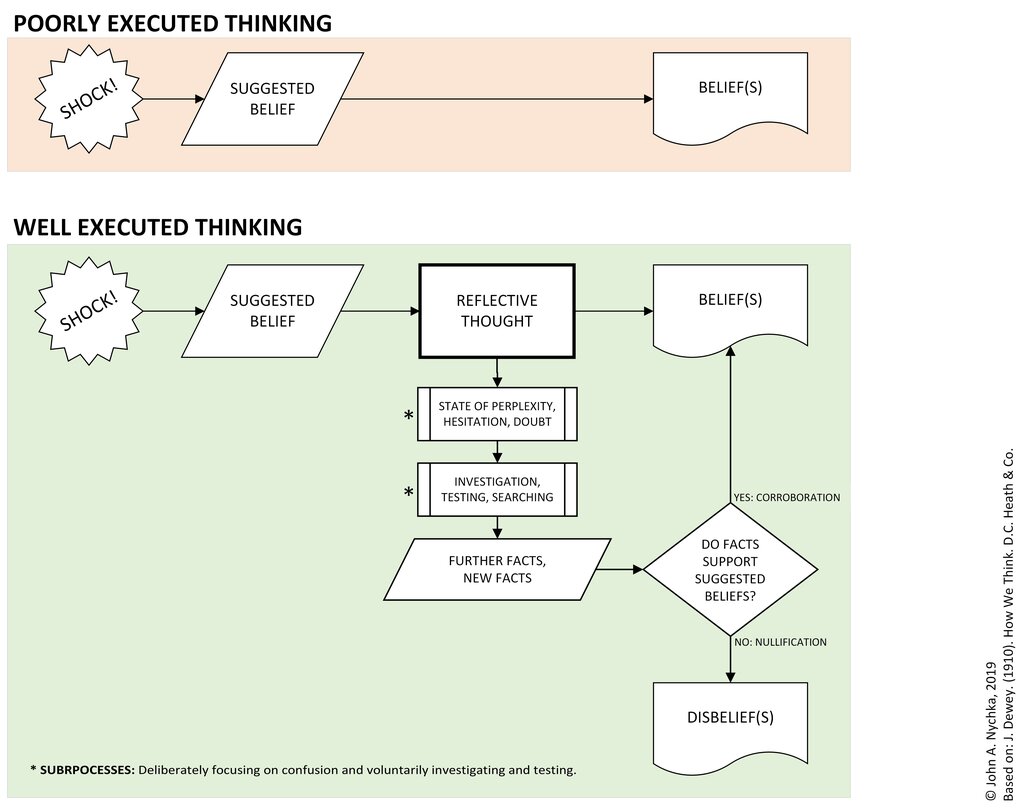
Think about it. Why do we learn things? We learn a new language to speak with someone. We learn a new skill at work to solve a problem. In these moments, you can't just pull up your notes. The knowledge needs to be there, ready to go in your mind. This is where memory retention becomes so important. Without it, learning is just a temporary activity with no lasting impact. Information that isn't retained is information that was never truly learned.
Common Learning Myths
Many of our most common study habits are surprisingly ineffective. We use them because they feel productive, but they often create a false sense of confidence.
The most popular ineffective strategy is rereading. Highlighting text is a close second. We read a chapter, mark the important parts, and then read it again. It feels like we're mastering the material because it becomes more and more familiar each time we see it. But there's a problem.
This creates an illusion of knowing. Your brain mistakes familiarity for genuine understanding.
When you simply review material, you aren't practicing the skill of retrieving it from your memory. You're just recognizing it on the page. The real test is whether you can explain the concept on your own, without any cues.
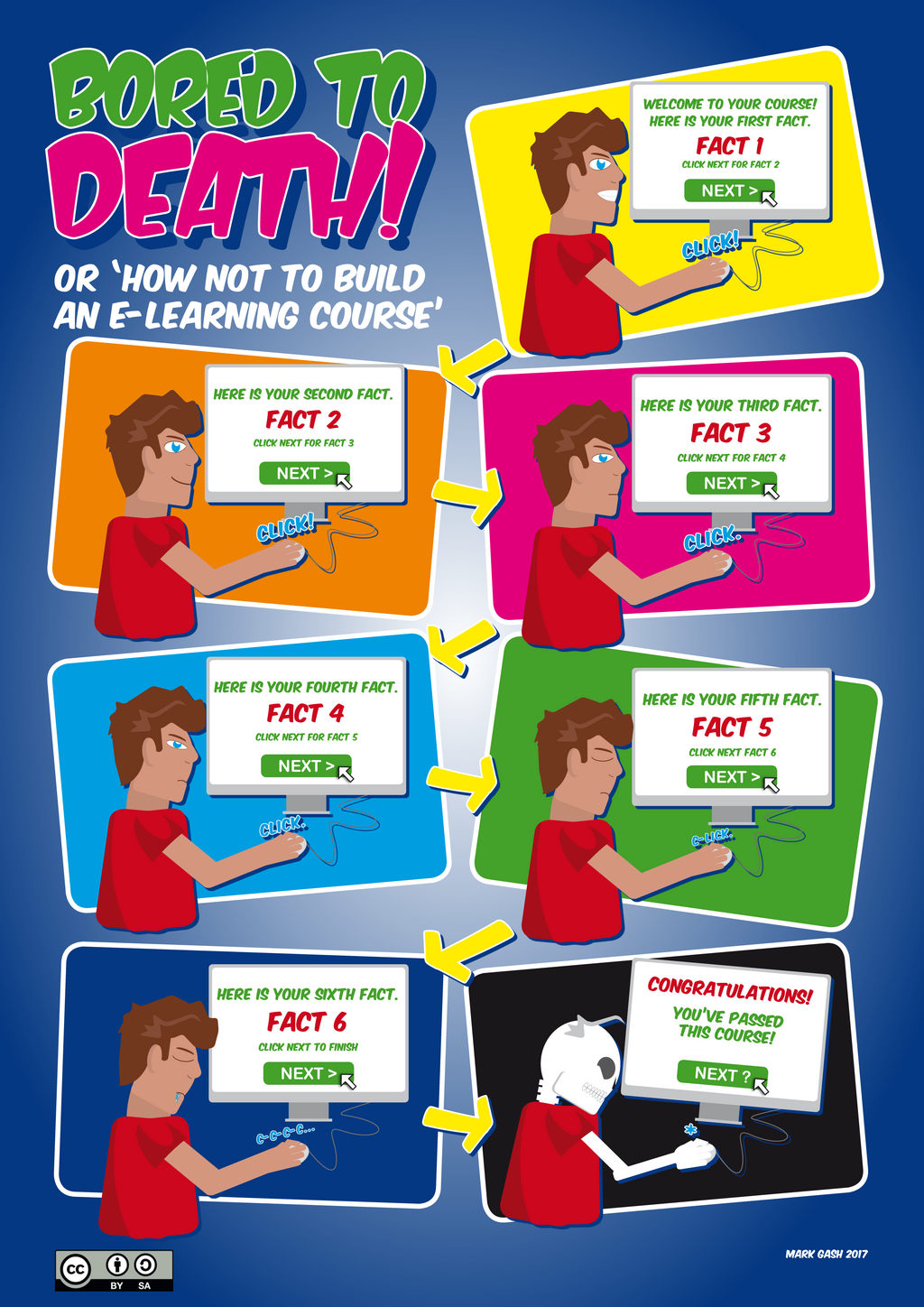
Another common myth is that learning should feel easy. If it's a struggle, we must be doing something wrong. The opposite is often true. When you have to work to recall a piece of information, that effort is what strengthens the memory. It’s like lifting weights for your brain. Easy, effortless review doesn't build mental muscle. The struggle is a sign that you are building stronger, more durable connections.
The effort involved in retrieving information is what makes it stick.
Finally, there's the myth of cramming. We’ve all done it: staying up all night to stuff our heads with information for a test the next day. And sometimes, it works well enough to pass. But what happens a week later? The information is gone.
Cramming pushes information into your short-term memory, but it never gets a chance to move into long-term storage. Effective learning is about playing the long game. It's about building a solid foundation of knowledge that stays with you, ready to be used whenever you need it.
According to the text, why are common study habits like rereading and highlighting often ineffective?
True or False: If studying feels difficult and requires significant mental effort, it's a sign that you are using an ineffective learning strategy.
By understanding these basic principles, you're already on your way to becoming a more effective learner. Now, we can start to explore the strategies that actually work.