Macronutrients Explained
Introduction to Macronutrients
What Are Macronutrients?
Think of your body as a car. To run, it needs fuel. To keep it in good shape, it needs oil and spare parts. Food provides all of these things, but not all food components are created equal. The main ones your body needs in large amounts are called macronutrients.
The 'macro' part just means 'large'. You need grams of these every day to function. They are the big players in your diet that provide energy and the building blocks for growth and repair.
Macronutrients are nutrients that the body needs in large amounts to function properly.
There are three types of macronutrients: carbohydrates, proteins, and fats. Each one plays a unique and vital role in keeping you healthy. You've probably heard these terms before, but let's quickly break down what each one actually does for you.
The Big Three
While all three macronutrients can provide energy, they each have specialized jobs within the body.
Carbohydrate
noun
The body's primary source of energy, found in foods like grains, fruits, and vegetables.
Carbohydrates are your body's preferred fuel. When you eat them, your body breaks them down into glucose, a type of sugar that your cells use for immediate energy. Your brain, in particular, relies heavily on glucose to stay sharp and focused.
Protein
noun
A macronutrient essential for building and repairing tissues, made up of smaller units called amino acids.
If carbohydrates are the fuel, proteins are the construction crew. They are fundamental to building and repairing everything from your muscles and bones to your hair and skin. They also help make enzymes and hormones, which are crucial messengers that trigger various processes throughout your body.
Fat
noun
A macronutrient that provides stored energy, protects organs, helps absorb certain vitamins, and is essential for producing hormones.
Fats often get a bad rap, but they are absolutely essential for good health. They are the most concentrated source of energy, making them great for long-term fuel storage. Fats also provide insulation to keep you warm, cushion your organs for protection, and are necessary for absorbing certain vitamins (A, D, E, and K).
Fuel, Function, and Balance
All three macronutrients provide energy, which is measured in calories. Here's a quick breakdown of their energy content:
- Carbohydrates: 4 calories per gram
- Protein: 4 calories per gram
- Fat: 9 calories per gram
Notice that fat provides more than double the energy per gram compared to carbs and protein. This is why it's such an efficient way for the body to store fuel.
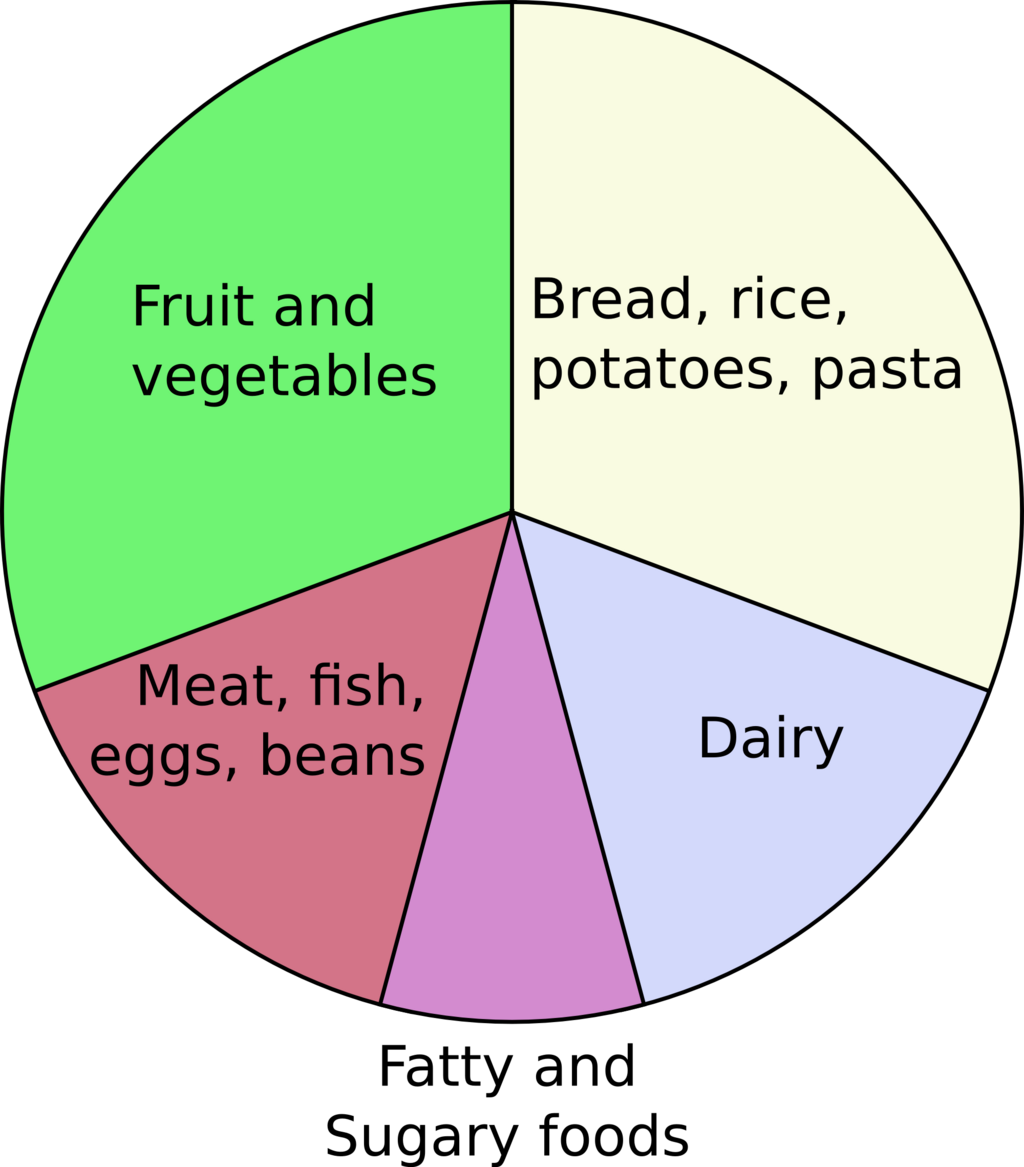
But a healthy diet isn't just about getting enough calories. It's about getting the right balance of macronutrients. Each one performs functions the others can't. A diet lacking in any one of these will eventually cause problems.
For example, if you don't eat enough carbohydrates, you might feel tired and sluggish. Not enough protein can hinder muscle repair. And too little fat can disrupt hormone levels and vitamin absorption. The key is to get a healthy mix of all three to support your body's overall needs.
Now that you understand the basics of macronutrients, let's test your knowledge.
What is the primary role of carbohydrates in the human body?
Which macronutrient provides the most energy per gram?
Getting a handle on these three core components of your diet is the first step toward understanding nutrition and how to fuel your body effectively.