Machine Learning Fundamentals
Introduction to Machine Learning
What Is Machine Learning?
Machine learning is a way of teaching computers to find patterns and make decisions from data, without being explicitly programmed for every single task. Instead of writing detailed, step-by-step instructions, you give the computer a large amount of data and let it figure out the rules for itself.
Think of it like this: you don't teach a child to recognize a cat by describing its features in code. You show them pictures of cats until they learn to identify one on their own. Machine learning works in a similar way.
This ability to learn from experience is what makes machine learning so powerful. It allows computers to tackle complex problems where the rules are constantly changing or are too difficult for humans to define, like detecting fraudulent credit card transactions or recommending your next favorite movie.
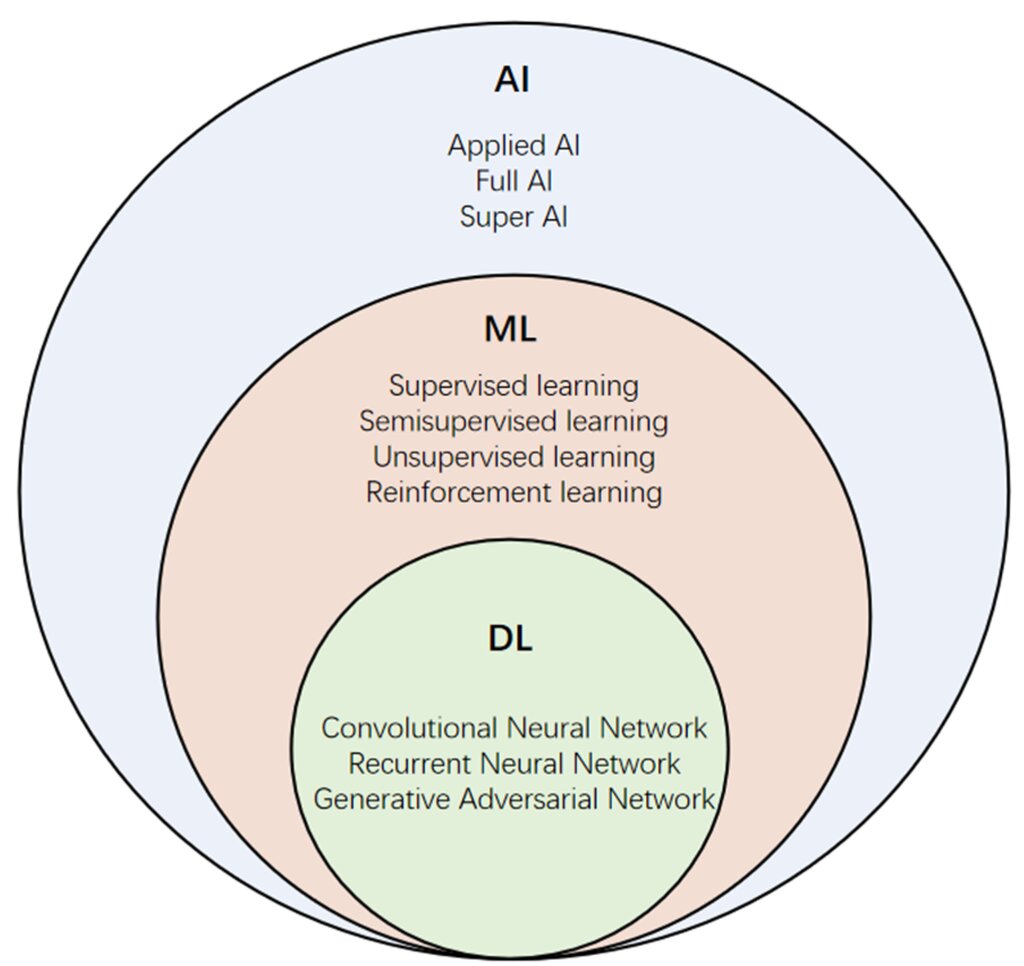
Learning with a Teacher
The most common type of machine learning is called supervised learning. The "supervised" part means the algorithm learns from a dataset that has been neatly labeled with the correct answers. It's like studying for a test with an answer key.
Supervised Learning
noun
A type of machine learning where the model learns from data that is already labeled with the correct output.
The goal is for the model to learn the relationship between the input data and the output labels so well that it can accurately predict the labels for new, unseen data. For example, by training a model on thousands of emails labeled as either "spam" or "not spam," it can learn to classify incoming emails on its own. Similarly, you could train a model with historical housing data—square footage, number of bedrooms, location—to predict the price of a house it has never seen before.
Learning on Its Own
What if you don't have a neat set of labeled data? That's where unsupervised learning comes in. In this approach, the algorithm is given a dataset without any explicit labels or correct answers and is asked to find hidden structures or patterns on its own.
Unsupervised Learning
noun
A type of machine learning where the model works with unlabeled data to find patterns or structures on its own.
Instead of predicting an output, the goal is to explore the data. Imagine giving a machine thousands of news articles and asking it to group them by topic. It wouldn't know the topics beforehand, but it could cluster articles about sports, politics, and technology by identifying which words frequently appear together.
This method is great for tasks like segmenting customers into different marketing groups based on their purchasing behavior or identifying anomalies in a system, like an unusual network reading that could signal a problem.
The Model-Building Workflow
Regardless of the type of learning, building a machine learning model follows a general, iterative process. It's not a one-and-done task but a cycle of refinement.
Developing a machine learning model is an iterative process that consists of several phases: starting with requirements engineering, data gathering, preprocessing, and feature engineering; moving on to model training and tuning; and ending with model evaluation, deployment, and monitoring.
The typical workflow looks something like this:
- Data Collection: Gathering all the relevant data needed to solve the problem.
- Data Preparation: Cleaning the data. This involves handling missing values, removing duplicates, and getting it into a usable format.
- Model Training: This is where the learning happens. You feed the prepared data to your chosen algorithm to create a model.
- Model Evaluation: Testing the model's performance on a separate set of data it hasn't seen before to see how well it performs.
- Tuning and Deployment: If the performance is good, the model can be deployed for real-world use. Often, you'll need to tune its parameters and repeat the training and evaluation steps to improve it.
This framework provides a solid foundation for tackling almost any machine learning problem.
What is the core concept of machine learning?
An algorithm is trained on a dataset of emails, each labeled as 'spam' or 'not spam'. What type of machine learning is this?
Understanding these core concepts—what machine learning is, the difference between supervised and unsupervised approaches, and the general workflow—is the first step toward building intelligent systems.