LLM Context Engineering Mastery
Introduction to LLMs
What Are Large Language Models?
Large Language Models, or LLMs, are a type of artificial intelligence designed to understand and generate human-like text. Think of them as incredibly advanced prediction engines. At their core, they work by predicting the next word in a sequence. Given the phrase "the cat sat on the," an LLM calculates the most probable next word is "mat."
But they do much more than just complete sentences. By repeatedly predicting the next word, they can write essays, answer complex questions, translate languages, and even write computer code. Their power comes from being trained on enormous amounts of text data from the internet, books, and other sources. This training allows them to learn grammar, facts, reasoning abilities, and different styles of writing.
This vast training helps them build a sophisticated internal representation of language. They're not just memorizing sentences; they're learning the statistical patterns and relationships between words and concepts. This allows them to generate new, coherent text on a wide variety of topics.
The Engine Inside Transformers
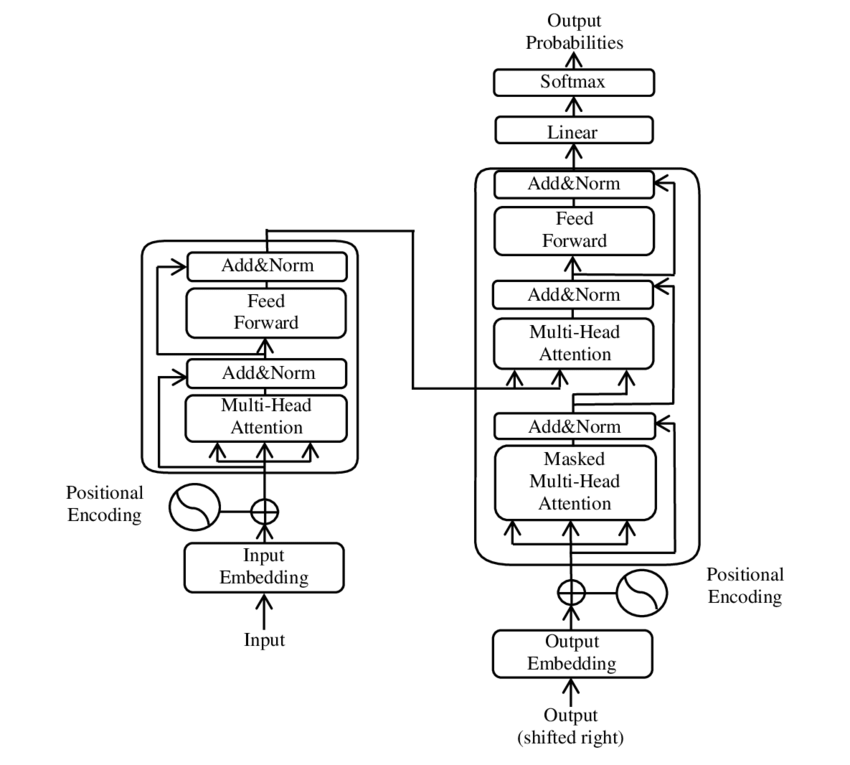
The breakthrough that enabled modern LLMs is an architecture called the Transformer. Before Transformers, models struggled to keep track of information across long pieces of text. They might forget the beginning of a paragraph by the time they reached the end.
The Transformer solved this with a clever mechanism called self-attention.
Self-attention allows the model to weigh the importance of different words in the input text when processing any single word. It helps the model understand how words relate to each other, no matter how far apart they are.
Imagine you're reading the sentence: "The robot picked up the red ball because it was the only one on the floor." When the model processes the word "it," self-attention helps it determine that "it" refers to the "ball," not the "robot" or the "floor." It does this by creating connections between words and scoring their relevance to each other.
This ability to look at the entire input at once and decide which parts are most important makes Transformers incredibly powerful for understanding the nuances of language.
Why Context is King
For an LLM, context is everything. It's the information the model uses to generate a relevant and accurate response. This context can be the initial question you ask, the conversation history you've had so far, or a document you provide for analysis. Without the right context, an LLM is just guessing based on the general patterns it learned during training.
Consider the word "bank." Does it mean a financial institution or the side of a river? The surrounding words provide the context needed to figure that out.
- "I need to go to the bank to deposit this check."
- "We had a picnic on the bank of the river."
An LLM uses the surrounding text to understand the correct meaning and generate an appropriate response. The quality and specificity of the context you provide directly impacts the quality of the output.
Providing clear, detailed, and relevant context is the single most important factor in getting useful results from an LLM. It guides the model, focuses its vast knowledge, and helps it produce the specific output you need.
This is why understanding context is so crucial. It's the steering wheel for the powerful engine of the LLM. By learning how to provide better context, you can guide the model to perform more complex and specialized tasks accurately.
Let's check your understanding of these core concepts.