Linux Essentials
Introduction to Linux
The Story of Linux
In 1991, a Finnish student named Linus Torvalds started a personal project. He was using a simple operating system called MINIX and wanted to create his own version, just for fun. He announced his project on a public forum, never expecting it to become one of the most widely used operating systems in the world.
Torvalds built the core piece, the kernel, but he needed other software to create a complete operating system. At the same time, the GNU Project, led by Richard Stallman, had created a rich set of free software tools—everything from compilers to text editors—but was missing a kernel. The two projects were a perfect match. When the GNU tools were combined with the Linux kernel, a powerful, free, and open-source operating system was born.
What Makes Linux Different?
The single most important feature of Linux is that it's open source. This means its source code—the human-readable instructions that tell the computer what to do—is freely available for anyone to view, use, and modify. This philosophy has profound implications.
First, it fosters a global community of developers who collaborate to improve the software. Bugs are often found and fixed quickly, and new features are constantly being added. This collaborative spirit makes Linux incredibly stable and secure, which is why it powers the vast majority of the world's servers, supercomputers, and stock exchanges.
Second, it provides unmatched flexibility. Because the code is open, it can be adapted to run on almost any device imaginable, from tiny smartwatches to massive cloud infrastructure. It’s also highly customizable, allowing users to tailor the system to their exact needs.
With Linux, you aren't just a user; you have the freedom to see how your system works and change it if you want.
Kernel and Distributions
At the heart of Linux is the kernel. Think of it as the engine of a car. It's the core component that manages the computer's hardware—the CPU, memory, and storage devices—and allows software to communicate with that hardware. The kernel handles all the low-level, essential tasks, but on its own, it's not very useful for the average person. You need a body, seats, and a steering wheel to drive the car.
The kernel is the core of the Linux operating system, responsible for:
This is where distributions, or "distros," come in. A Linux distribution bundles the Linux kernel with other essential software, like the GNU tools, a desktop environment (the graphical interface), and pre-installed applications like web browsers and office suites. It provides a complete, ready-to-use operating system.
There are hundreds of different distros, each with its own focus. Some are designed for beginners, like Ubuntu or Linux Mint, offering a user-friendly experience right out of the box. Others, like Arch Linux, are aimed at advanced users who want to build their system from the ground up. This variety ensures there's a version of Linux for everyone.
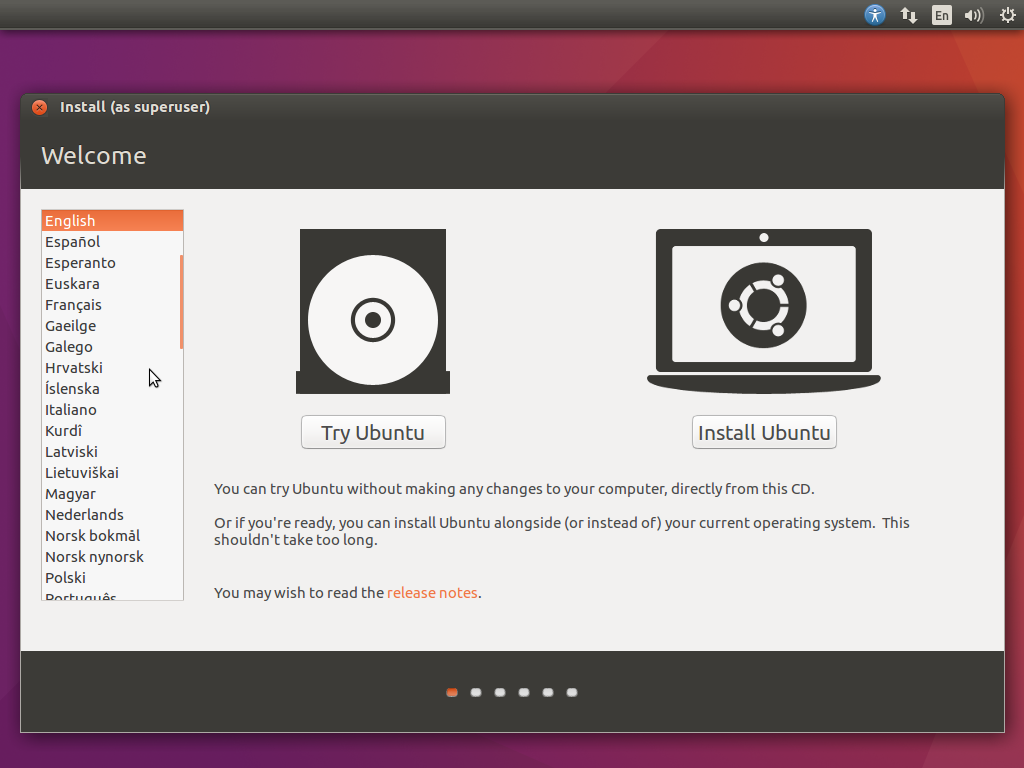
This modular approach—a core kernel plus a choice of software packages—is a key advantage of Linux. It allows for incredible diversity and choice within a single operating system family.
Now, let's test your knowledge of these foundational concepts.
Who is credited with starting the Linux kernel project in 1991?
What is the primary function of the Linux kernel?
Understanding these core ideas—the history, the open-source philosophy, and the relationship between the kernel and distributions—is the first step to appreciating the power and flexibility of Linux.