Learn English Basics
Alphabet and Numbers
The English Alphabet
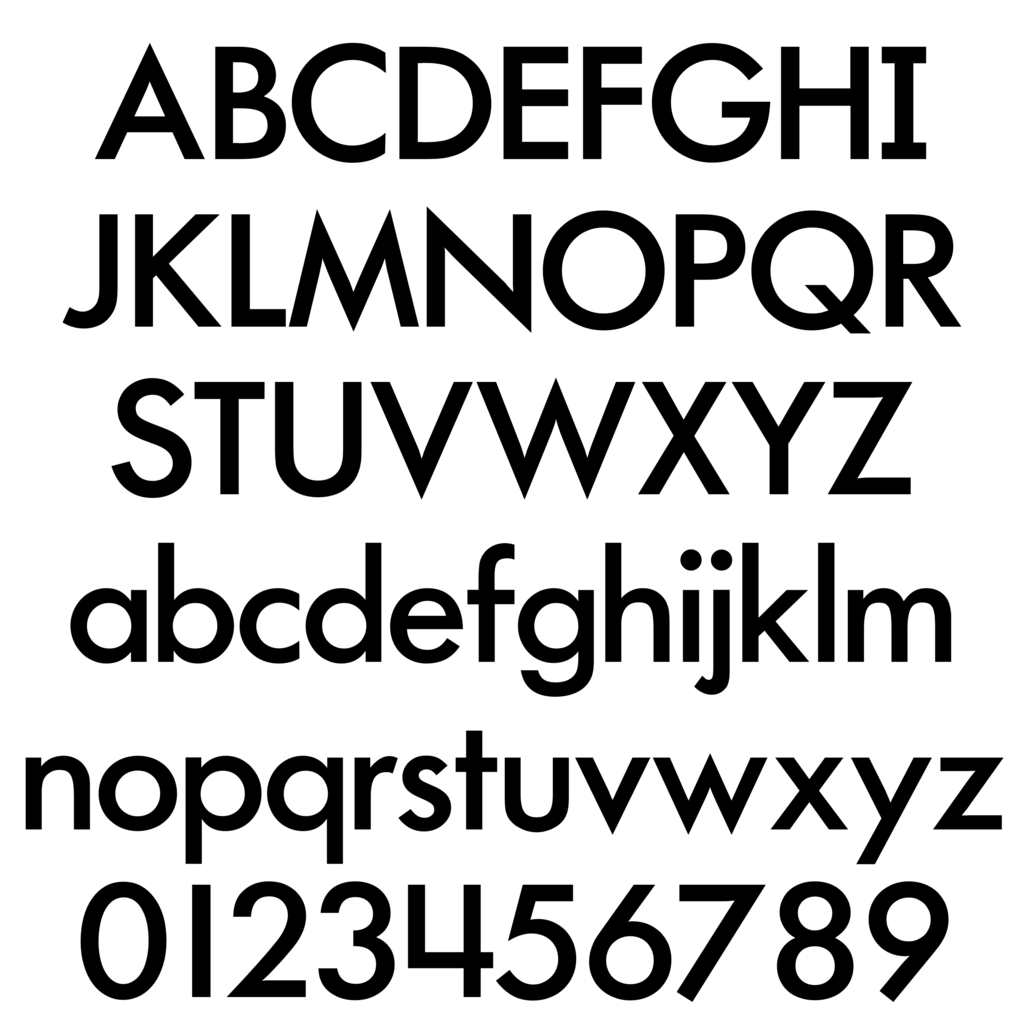
The first step in learning English is getting to know the alphabet. It's the foundation for reading, writing, and speaking. The English alphabet has 26 letters. Each letter has a name and makes a specific sound, which you'll learn more about later.
Uppercase and Lowercase
Every letter comes in two forms: uppercase (big) and lowercase (small). For example, 'A' is the uppercase form, and 'a' is the lowercase form. They represent the same letter and sound.
We use uppercase letters for a few specific reasons. The most common are for the first letter of a sentence, for names of people (like Maria or David), and for places (like Paris or Brazil). Most of the time, you will use lowercase letters.
| Uppercase | Lowercase |
|---|---|
| A | a |
| B | b |
| C | c |
| D | d |
| E | e |
| F | f |
| G | g |
| H | h |
| I | i |
| J | j |
| K | k |
| L | l |
| M | m |
| N | n |
| O | o |
| P | p |
| Q | q |
| R | r |
| S | s |
| T | t |
| U | u |
| V | v |
| W | w |
| X | x |
| Y | y |
| Z | z |
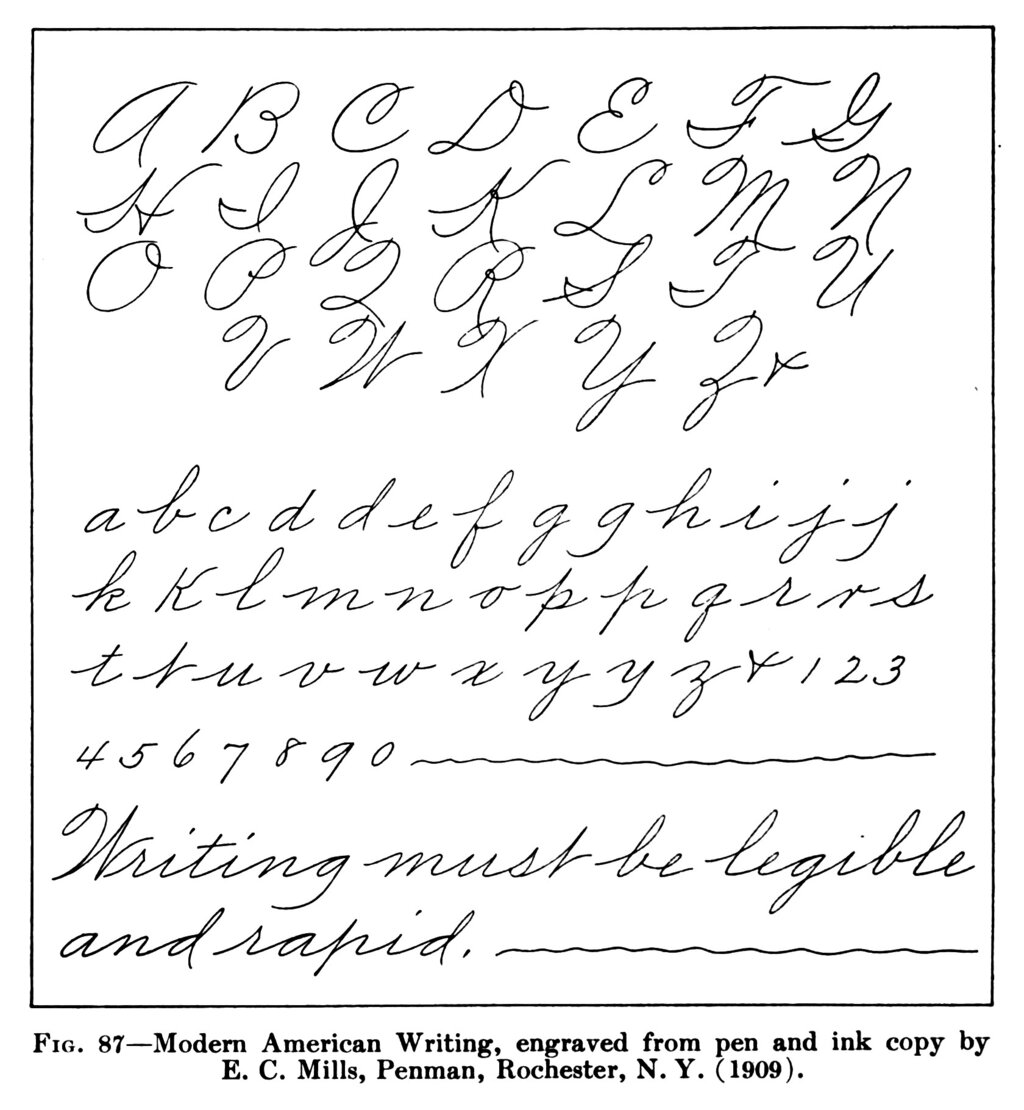
Learning to write these letters takes practice. The goal is to make each one clear and easy to read. Over time, you'll develop your own style of handwriting.
Numbers 0 to 100
Just like letters, numbers are essential. We use them to count things, tell time, and much more. Let's start with the basic building blocks: the numbers from zero to nine. Every other number is made from these.
| Number | Word |
|---|---|
| 0 | zero |
| 1 | one |
| 2 | two |
| 3 | three |
| 4 | four |
| 5 | five |
| 6 | six |
| 7 | seven |
| 8 | eight |
| 9 | nine |
After nine, we have the numbers from ten to nineteen. These have unique names that you'll need to remember.
| Number | Word |
|---|---|
| 10 | ten |
| 11 | eleven |
| 12 | twelve |
| 13 | thirteen |
| 14 | fourteen |
| 15 | fifteen |
| 16 | sixteen |
| 17 | seventeen |
| 18 | eighteen |
| 19 | nineteen |
From 20 onwards, a clear pattern emerges. First, you learn the names for the tens.
| Number | Word |
|---|---|
| 20 | twenty |
| 30 | thirty |
| 40 | forty |
| 50 | fifty |
| 60 | sixty |
| 70 | seventy |
| 80 | eighty |
| 90 | ninety |
| 100 | one hundred |
To make any other number up to 100, you just combine the ten with a single digit. For example, the number 21 is written as "twenty-one." The number 47 is "forty-seven." And 83 is "eighty-three."
Once you know the numbers 0-9 and the names for the tens, you can build any number up to one hundred.
Now, let's review these core concepts.
Time to check your understanding.
How many letters are in the English alphabet?
The letters 'A' and 'a' are the same letter, but they have different forms. What are these two forms called?
With the alphabet and numbers, you have the basic tools to start building your English skills.