Keto for Perimenopause
Hormonal Changes in Perimenopause
The Hormonal Shift
The transition into perimenopause is driven by changes in your two main female sex hormones: estrogen and progesterone. For years, these hormones followed a predictable rhythm, rising and falling with your monthly cycle. Now, that rhythm is becoming less predictable.
During perimenopause, your ovaries' production of estrogen becomes erratic. Levels can swing dramatically, sometimes spiking higher than before and other times dropping to very low levels. Progesterone, the hormone that typically rises after ovulation to prepare the uterus for pregnancy, begins to decline more steadily as ovulation becomes less frequent.
Research shows it’s characterized by three major hormonal changes: erratically fluctuating (and sometimes elevated) estradiol levels, decreased progesterone production from anovulatory or shortened luteal phase cycles, and disturbed ovarian-pituitary-hypothalamic feedback relationships.
Think of it like a finely tuned orchestra that's starting to lose its conductor. The hormonal signals from the brain to the ovaries get disrupted, leading to this unpredictable pattern. These fluctuations are the root cause of many perimenopausal symptoms.
Metabolism and Weight Gain
These hormonal shifts have a direct impact on your metabolism. Estrogen plays a key role in how your body uses energy and processes sugar. It helps keep your cells sensitive to insulin, the hormone responsible for moving glucose from your blood into your cells for energy.
As estrogen levels decline and become erratic, your body can become less responsive to insulin, a condition known as insulin resistance. This means your pancreas has to work harder, producing more insulin to get the job done. Higher insulin levels can signal your body to store more fat, particularly around your midsection.
Declining estrogen reduces insulin sensitivity, making it easier for your body to store calories as fat instead of burning them for energy.
This change also affects where your body stores fat. In your reproductive years, estrogen encourages fat storage around the hips and thighs. As estrogen wanes, this pattern shifts. The body begins to store more visceral fat, which is the fat deep within the abdominal cavity surrounding your organs. This is why many women notice an increase in belly fat during perimenopause, even if their weight on the scale hasn't changed much.
Impact on Mood and Energy
Hormones don't just affect your physical body; they are powerful regulators of your brain chemistry. Estrogen and progesterone influence neurotransmitters like serotonin and dopamine, which are crucial for mood regulation and feelings of well-being.
When hormone levels fluctuate wildly, so can these neurotransmitters. The sudden drops in estrogen can lead to lower serotonin levels, contributing to feelings of irritability, anxiety, and sadness. Progesterone has a calming, sleep-promoting effect, so as its levels decrease, you might find it harder to get restful sleep, leading to fatigue.
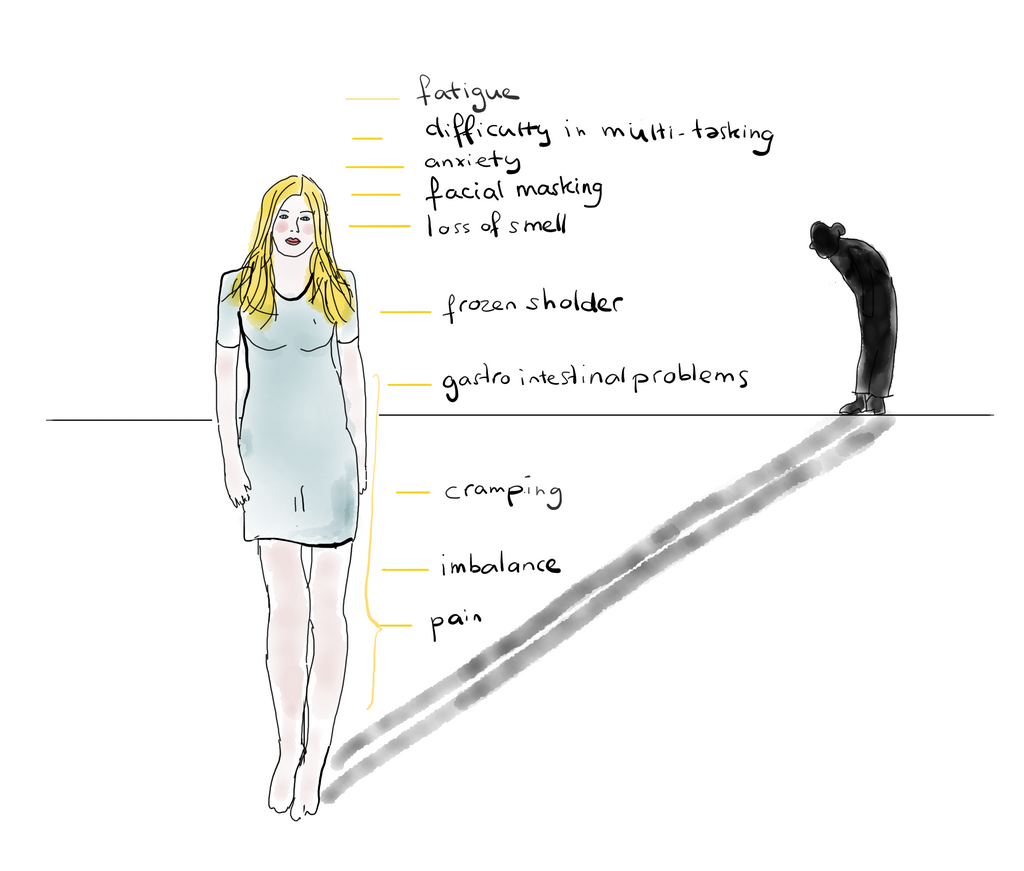
This combination of hormonal imbalance, poor sleep, and metabolic changes creates a perfect storm for persistent fatigue and mood swings. It's not just a matter of feeling a bit tired or grumpy; it's a physiological response to the profound changes happening within your body.
Let's review the key concepts from this section.
Now, test your knowledge with a few questions.
What is the primary hormonal pattern that characterizes the transition into perimenopause?
How do the hormonal shifts of perimenopause affect fat storage in the body?
Understanding these hormonal and metabolic shifts is the first step toward addressing them. By recognizing how declining estrogen and progesterone affect insulin, fat storage, and mood, you can better understand the need for dietary adjustments.