Job Hunting in the USA
Self-Assessment
Know Yourself First
Before you start scrolling through job postings, the most important step is to look inward. A successful job search isn't just about finding a company that wants you; it's about finding a role where you can thrive. This starts with a clear understanding of who you are and what you want.
Introspection -- thinking about your interests, skills, abilities, values, personality traits and goals -- is part of any sound career counseling process.
Think of this as creating a personal blueprint. When you know your own specifications, you can easily spot the opportunities that are a good fit and confidently pass on the ones that aren't. This saves you time and energy and sets you up for long-term satisfaction.
Your Skills and Strengths
Start by taking an inventory of your skills. It's helpful to divide them into two categories: hard skills and soft skills.
Hard skills are specific, teachable abilities that can be measured. Think of things like fluency in a programming language, proficiency with a certain software, carpentry, or speaking a foreign language. They are often the skills you list on a resume to pass an initial screening.
Soft skills are the interpersonal attributes that determine how you work and interact with others. These include communication, teamwork, problem-solving, and time management. Employers value these highly because they are harder to teach and are crucial for a positive and productive work environment.
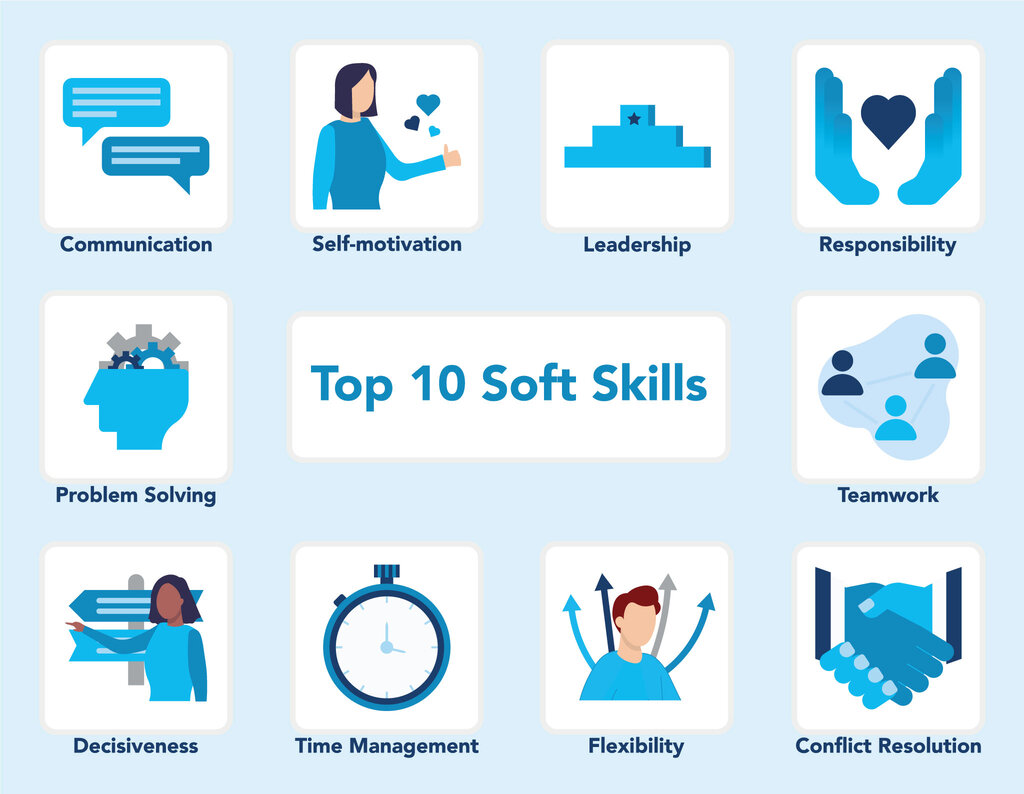
Don't just list skills you think sound good. To get a real sense of your strengths, reflect on past accomplishments. Think about a project you're proud of, a tough problem you solved, or a time you successfully led a team. What specific skills did you use to achieve that success? Write them down. This exercise often reveals strengths you might have overlooked.
What Do You Actually Want?
Knowing what you can do is only half the picture. The other half is knowing what you want to do. This involves assessing your interests and values.
Your interests are the topics and activities you genuinely enjoy. Do you love working with data? Are you passionate about creative writing? Do you get energy from interacting with people? A job that aligns with your interests will feel less like work and more like a fulfilling pursuit.
Your values are your personal principles. What's most important to you in a job? It could be a high salary, work-life balance, opportunities for growth, a collaborative team, or a company mission you believe in. Being honest about your values is critical. A high-paying job will lead to burnout if it requires you to sacrifice a core value, like time with your family.
Your ideal role lies at the intersection of these three areas. It's a job that uses your skills, engages your interests, and aligns with your values.
Setting Your Goals
With a clearer picture of yourself, you can set meaningful career goals. It helps to think in terms of both short-term and long-term objectives.
Short-term goals are the immediate steps you want to take. They're concrete and achievable within the next year or so. A short-term goal might be: "Find a marketing role in the tech industry where I can use my data analysis skills."
Long-term goals define where you want to be in five to ten years. These are broader and more aspirational. A long-term goal could be: "Become a senior marketing manager leading a team and shaping brand strategy."
Your short-term goals should act as stepping stones toward your long-term vision. Knowing both helps you evaluate opportunities. Ask yourself: Will this next job move me closer to my ultimate career goal?
Finally, consider your preferred work environment. Do you thrive in a bustling, open-plan office or do you need a quiet space to focus? Are you looking for a fully remote, hybrid, or in-person role? Do you prefer a large corporation with a set structure or a small startup where you can wear many hats? There's no right answer, but knowing your preference will help you narrow your search to companies where you'll feel comfortable and be productive.
Time to see what you've learned.
What is the primary benefit of conducting a personal inventory of your skills, interests, and values before starting a job search?
Which of the following is the best example of a 'hard skill'?
This self-assessment isn't a one-time task. As you gain experience and your priorities change, it's a process you can return to again and again to make sure your career stays on the right track.