JavaScript Fundamentals
Introduction to JavaScript
The Language of the Web
Think of a website as a house. HTML is the frame and the walls – the basic structure. CSS is the paint, the furniture, and the decorations – it’s all about style and appearance. But what makes the house come alive? The electricity, the plumbing, the appliances. That’s JavaScript.
JavaScript (often shortened to JS) is a programming language that turns static web pages into interactive experiences.
Without JavaScript, the web would be a collection of static documents. You could read text and look at images, but you couldn't do much else. JavaScript is the magic that powers features like:
- Photo galleries you can click through
- Forms that check your input before you submit
- Maps that update as you drag them
- Social media feeds that load new posts automatically
It’s the engine that makes the modern web dynamic and responsive.
The Web's Core Trio
HTML, CSS, and JavaScript are the three core technologies of the World Wide Web. They work together, each with a distinct and crucial role. You almost never see one without the other two.
Let’s break it down:
- HTML (HyperText Markup Language): Provides the basic structure and content of the page. It's the noun of the web—the headings, paragraphs, lists, and images.
- CSS (Cascading Style Sheets): Controls the visual presentation. It's the adjective—the colors, fonts, spacing, and layout.
- JavaScript: Manages the behavior and interactivity. It's the verb—the actions, events, and dynamic updates.
A web page needs HTML for structure, CSS for style, and JavaScript for behavior. Together, they create a complete user experience.
Where Does It Run?
Unlike some programming languages that run on a server far away, JavaScript runs directly in your web browser. When you visit a website, your browser (like Chrome, Firefox, or Safari) downloads the site's HTML, CSS, and JavaScript files.
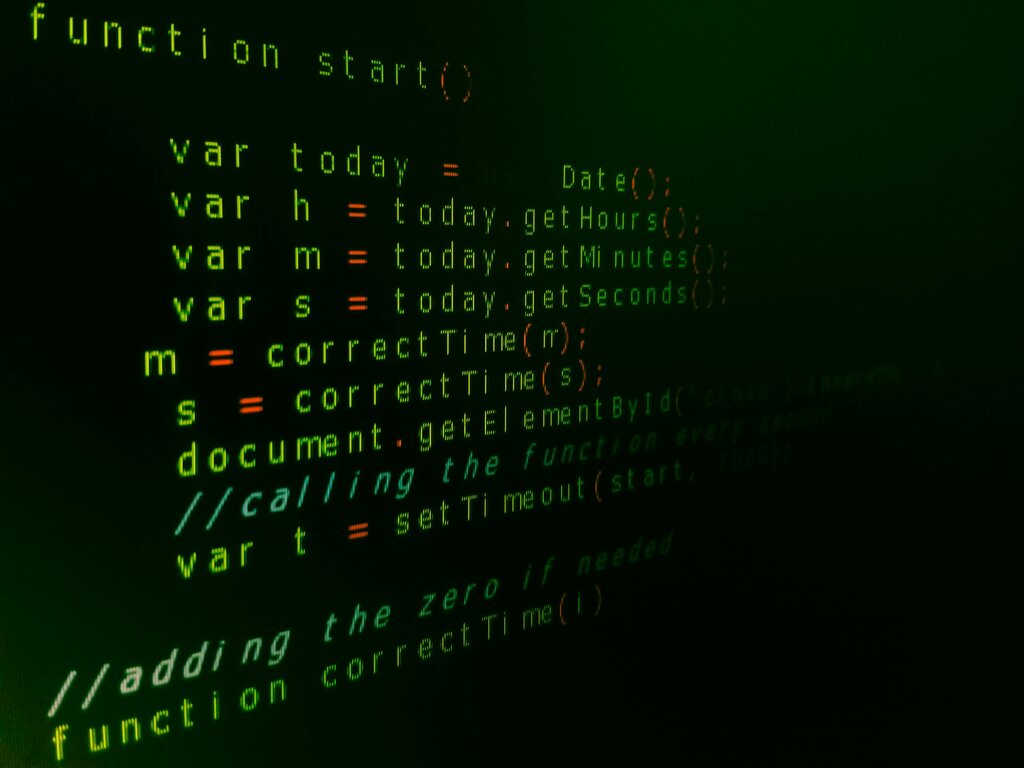
Every modern browser has a built-in interpreter called a JavaScript engine. This engine's job is to read the JavaScript code and execute its instructions. This is why JavaScript is called a client-side language—the code runs on the user's machine (the client), not on the company's server.
This client-side execution is what makes web pages feel so fast and responsive. When you click a "like" button, JavaScript can immediately update the counter on your screen without needing to reload the entire page from the server. It handles the small interactions locally, creating a smoother, more seamless experience.
Now that you understand what JavaScript is and its role on the web, you're ready to start digging into how it actually works.