Java vs APEX Programming Languages
Introduction to Java and Apex
The Story of Java
In the early 1990s, a team at Sun Microsystems set out to create a new programming language. They wanted something that could run on all sorts of electronic devices, from TVs to computers. The result was Java, built on a powerful idea: "write once, run anywhere."
This meant a developer could write a program on a Windows PC, and it would work just as well on a Mac or a Linux machine without any changes. This was a revolutionary concept at the time.
How does Java achieve this? Through something called the Java Virtual Machine, or JVM. Think of the JVM as a universal translator. When you write Java code, it's compiled into a special format called bytecode. The JVM on any given device knows how to read this bytecode and translate it into instructions that the local operating system can understand.
This flexibility made Java incredibly popular. Today, it's a powerhouse in the programming world. It's used to build large-scale enterprise systems, web applications, and is the primary language for developing Android mobile apps.
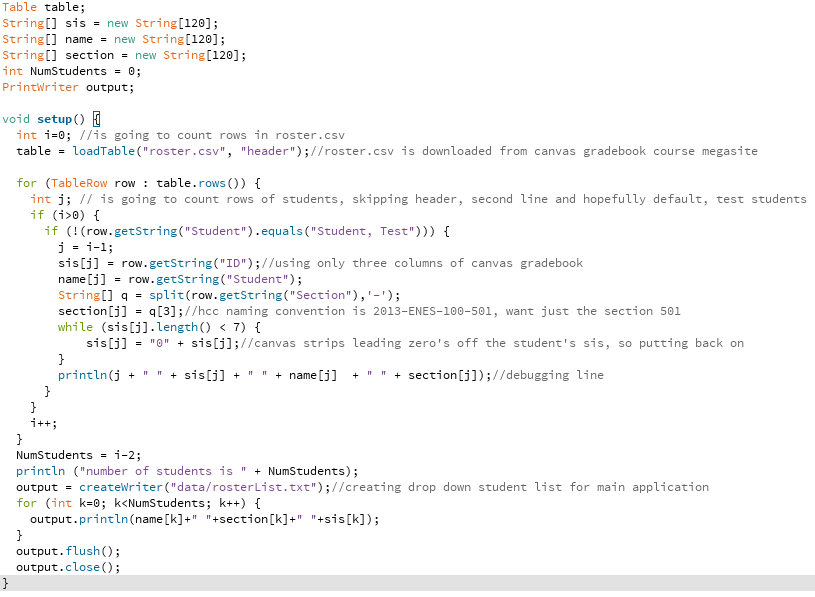
Enter Apex
Now, let's switch gears to a more specialized language. Apex was created by Salesforce for a very specific purpose: to customize their own platform. It's a proprietary language, meaning it's owned and controlled by Salesforce and is designed to work exclusively within its ecosystem.
If Java is a general-purpose tool like a versatile multi-tool, Apex is like a specialized wrench designed to work perfectly on one specific type of machine: Salesforce.
Developers use Apex to add custom business logic to their Salesforce environment. For example, you could write an Apex "trigger" that automatically creates a follow-up task for a sales representative whenever a new customer lead is entered. Or, you could build custom web services that integrate Salesforce with other systems. Its syntax is similar to Java's, which makes it easier for Java developers to learn.
Where They Run
The biggest difference between the two languages is their execution environment. As we covered, Java code runs on a JVM, which can be installed on almost any personal computer or server.
Apex, on the other hand, runs entirely in the cloud on Salesforce's servers. When a developer writes Apex code, they save it directly to the Salesforce platform, where it is compiled and stored. This is part of what's known as a "multi-tenant" environment. You can think of it like an apartment building: many different companies (tenants) are running their code on the same shared infrastructure (the building), but each is securely separated from the others.
This means all the heavy lifting is done by Salesforce. Developers don't need to worry about servers or hardware; they just write the code that customizes their instance of the platform.
What is the core mechanism that allows Java to follow the "write once, run anywhere" principle?
What is the primary purpose for which Salesforce created the Apex language?
So, while both are powerful, object-oriented languages, they serve very different needs. Java is a generalist, ready for almost any task on any platform, while Apex is a specialist, perfectly tuned for automating and extending the Salesforce world.