Java Programming Fundamentals
Introduction to Java
What Is Java?
Java is one of the most popular and widely used programming languages in the world. For decades, it has powered everything from small mobile apps to massive enterprise-level systems. It's known for being reliable, versatile, and relatively easy to learn, making it a great starting point for new programmers.
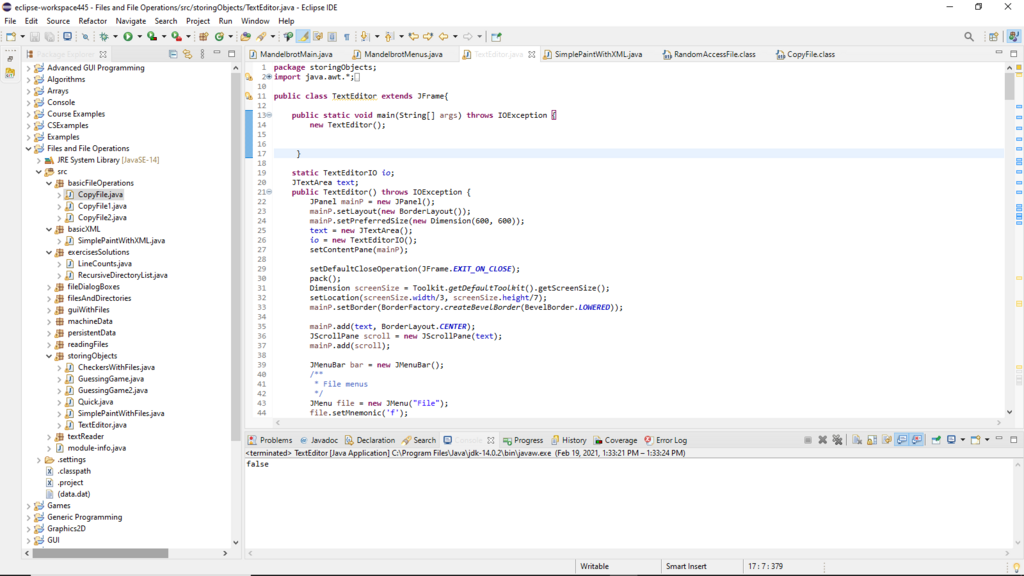
But what makes it special? Unlike some languages that are tied to a specific type of computer or operating system, Java was designed to be universal. Its creators wanted to build a language that could run on any device, anywhere. This core idea has shaped its entire history and is the main reason for its lasting success.
A Quick History
The story of Java begins in the early 1990s at Sun Microsystems. A small team of engineers, known as the "Green Team," was tasked with creating technology for the next generation of smart devices, like interactive television systems. They needed a programming language that wasn't tied to any particular hardware.
The team, led by James Gosling, created a new language called "Oak," named after a tree outside Gosling's office. Their goal was to make a language that was simple, secure, and could run on a wide variety of consumer electronics.
The interactive TV project didn't take off, but the team soon realized their new language was perfect for something else that was just beginning to boom: the World Wide Web.
In 1995, Oak was renamed Java and officially released. It was introduced with the powerful slogan, "Write Once, Run Anywhere." This meant a developer could write a Java program on one computer, and it would run without changes on any other computer that supported Java. This was a revolutionary idea at the time and made Java an instant hit for developing web applications.
Why Is Java So Popular?
Java's popularity isn't an accident. It's built on a few core principles that make it powerful and reliable. The most important of these are its platform independence and its object-oriented structure.
Java is a class-based, object-oriented programming language that is designed to be secure and portable.
Let's break down what these key features really mean.
Platform Independence
The "Write Once, Run Anywhere" philosophy is possible because of the Java Virtual Machine, or JVM. Think of the JVM as a translator. When you write a Java program, it's not compiled into machine code for a specific operating system like Windows or macOS. Instead, it's compiled into a universal format called bytecode.
The JVM is a program that runs on your computer, and its only job is to understand and execute this Java bytecode. Since there are JVMs available for almost every operating system, the same bytecode can run on a Windows PC, a Mac, or a Linux server. The JVM handles the translation from the universal bytecode to the specific machine code that the local computer understands.
Object-Oriented Programming
Java is an object-oriented programming (OOP) language. This might sound complicated, but the core idea is simple. Instead of writing one long list of instructions, you organize your program into self-contained "objects." Each object represents a concept and holds both data (attributes) and behaviors (methods) related to that concept.
Think of it like building with LEGOs. Each LEGO brick is an object. It has attributes (color, size, shape) and it has behaviors (it can connect to other bricks). By combining these simple, reusable bricks, you can build complex structures. In the same way, programmers use objects as building blocks to create large and complex applications. This approach makes code more organized, reusable, and easier to manage.

Object-oriented programming is guided by four main principles:
| Principle | Description |
|---|---|
| Encapsulation | Bundling data and the methods that operate on that data within one unit, or object. |
| Abstraction | Hiding complex implementation details and showing only the essential features of the object. |
| Inheritance | Allowing a new class to inherit properties and methods from an existing class. |
| Polymorphism | The ability of an object to take on many forms, allowing one action to be performed in different ways. |
Beyond these two cornerstones, Java is also known for being robust and secure. It includes features like automatic memory management, which helps prevent common programming errors that can crash an application. Its security features are built into the language and the JVM, helping to protect systems from malicious code.
These features, combined with a vast ecosystem of tools and libraries, have cemented Java's place as a go-to language for developers for over two decades.
Ready to check your understanding?
What was the original name of the Java programming language, developed by the "Green Team"?
What does Java's slogan, "Write Once, Run Anywhere," primarily refer to?
Now that you understand the history and core ideas behind Java, you're ready to start exploring how the language actually works.