IT System Administration Essentials
Introduction to System Administration
The Heart of IT Operations
Every organization that relies on technology has a team of people working behind the scenes to keep everything running. At the center of this team is the system administrator, often called a sysadmin. Think of them as the digital mechanics for a company's entire IT infrastructure.
A Systems Administrator is responsible for managing, troubleshooting, and maintaining computer systems, servers, and networks.
Their job is to ensure that the complex web of servers, networks, and software that people use every day is reliable, secure, and efficient. Without a sysadmin, systems would quickly become disorganized, vulnerable, and prone to failure. They are the guardians of a company's digital nervous system.
What a Sysadmin Does
The role of a sysadmin is broad and dynamic. On any given day, they might switch between several critical tasks. Let's break down their core responsibilities.
Server and Network Management This is the foundation of the role. Sysadmins install, configure, and maintain the physical and virtual servers that host applications and store data. They also manage the network infrastructure—routers, switches, and firewalls—that allows computers to communicate with each other and the internet.
Their work ensures that the digital highways of the organization are open and traffic is flowing smoothly.
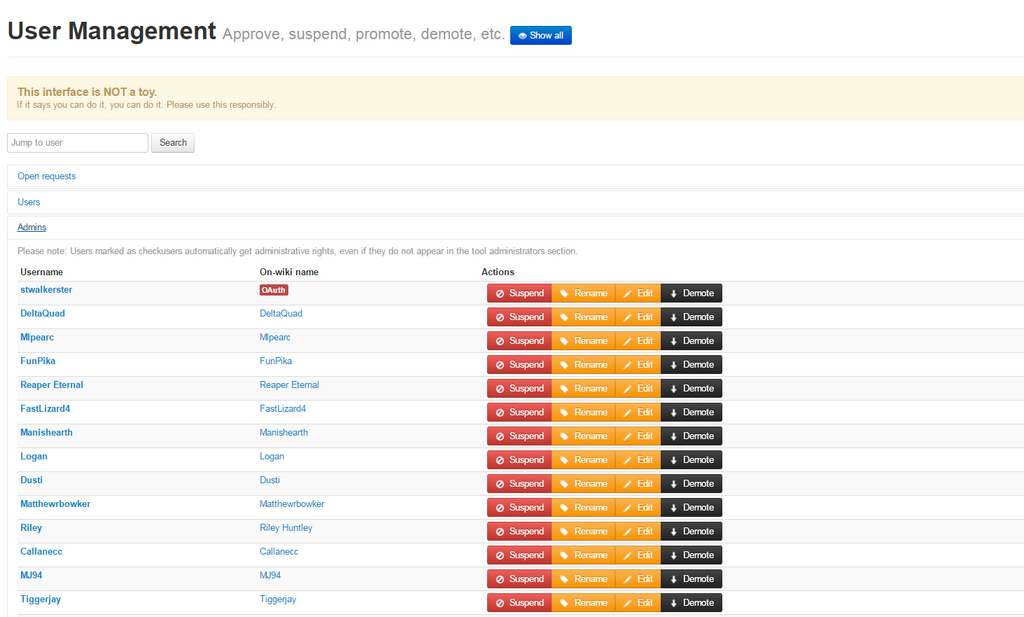
Security and User Access A huge part of a sysadmin's job is to protect the company's digital assets. This involves implementing security policies, patching software to fix vulnerabilities, and monitoring systems for suspicious activity. They are also in charge of user accounts, ensuring employees have access to exactly what they need to do their jobs—and nothing more. This principle of "least privilege" is a key security concept.
Data Backup and Recovery What happens if a critical server crashes or data is accidentally deleted? The sysadmin is responsible for making sure that data is backed up regularly. If disaster strikes, they are the ones who execute the recovery plan to restore services and prevent catastrophic data loss.
Perhaps the most important lesson in system administration is this: always have backups.
Monitoring and Troubleshooting Sysadmins don't just fix problems; they try to prevent them. They use monitoring tools to watch the health and performance of the IT infrastructure. When an alert pops up or an employee reports an issue, the sysadmin becomes a detective, diagnosing the root cause of the problem and implementing a solution.
Why System Administration Matters
In the modern world, nearly every business function depends on IT. From email communication to customer databases and financial systems, technology is woven into the fabric of daily operations.
System administration is the discipline that ensures all of this technology works together seamlessly. Effective sysadmins boost productivity by minimizing downtime, protect the company from cyber threats, and enable the business to scale and adopt new technologies. They build and maintain the stable technological foundation upon which the entire organization rests.
Now that you understand the core role of a system administrator, you're ready to explore the specific systems they manage.