IT and Programming Problem Solving Mastery
Understanding Problem-Solving
What is Problem-Solving?
At its core, problem-solving is the process of finding a solution to a challenge. It's not just about fixing things that are broken; it's about figuring out how to get from a current state to a desired future state when the path isn't immediately obvious.
A problem is simply the gap between where you are and where you want to be.
In the world of technology, problems are everywhere. A website might be loading too slowly. A user might not be able to find a button. A program might need to sort a million names in under a second. Every piece of software, every app, and every IT system is a solution to a problem someone once had.
Programming is about problem solving and thinking in a methodical manner.
This is why problem-solving is the single most important skill in any tech career. Writing code is just a tool, like a hammer. Knowing how to use the hammer is useful, but knowing what to build and how to build it is the real challenge. Strong problem-solvers can tackle new technologies and unfamiliar challenges because they have a reliable process for thinking through them.
A Framework for Solutions
Good problem-solving isn't magic. It's a structured process that can be learned and practiced. While there are many different models, they all share a few fundamental steps. Having a framework prevents you from jumping straight to writing code or making changes without a clear plan, which often leads to wasted time and more complex problems.
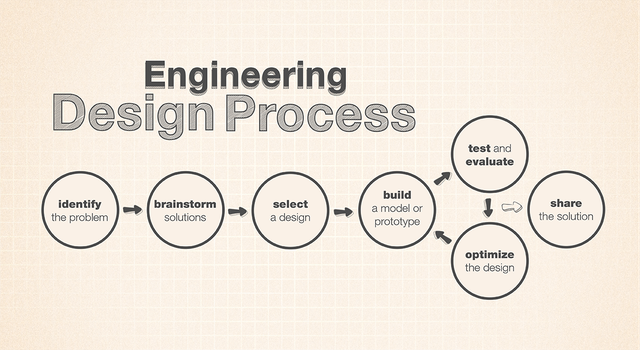
Let's break down a simple, four-step approach that works for almost any technical challenge.
1. Understand the Problem Before you can solve anything, you must fully understand the challenge. What are the requirements? What is the expected outcome? What information do you have, and what is missing? A common mistake is to start solving a problem you think you have, rather than the one that actually exists. Ask questions, clarify assumptions, and define the boundaries of the problem.
2. Plan a Solution Once you understand the problem, it's time to devise a plan. This involves breaking the problem down into smaller, more manageable pieces. You might sketch out a diagram, write out the steps in plain language (this is often called pseudocode), or think about what tools or algorithms you might need. The goal isn't to write perfect code yet; it's to create a roadmap.
3. Implement the Solution This is where you translate your plan into action. In programming, this means writing the code. Follow your plan step by step, focusing on one small piece at a time. If you created a good plan, this phase should be straightforward.
4. Review and Refine Did your solution work? Does it meet all the requirements? It's rare to get everything perfect on the first try. This final step involves testing your solution, finding any bugs or edge cases, and making improvements. Often, this review will lead you back to the planning phase to refine your approach. This iterative cycle of planning, implementing, and reviewing is central to modern software development.
Time to check what you've learned.
According to the provided text, why is problem-solving considered a more fundamental skill than just writing code?
You are tasked with building a feature. You immediately start writing code, but soon find that your approach is creating more complex issues. Which step of the problem-solving process did you most likely skip?
This framework is your starting point. As you gain more experience, you'll develop your own techniques and instincts, but this fundamental process will always be the foundation you build upon.