Irrigation System Design and Management
Irrigation Method Selection
Beyond the Basics of Irrigation
Choosing an irrigation system isn't just about getting water on plants; it's a strategic decision that balances cost, efficiency, and the unique conditions of your site. The three main approaches—surface, sprinkler, and drip—each have distinct advantages and limitations. The ideal method for a flat, expansive field of corn will be entirely different from what's needed for a hillside vineyard or a suburban garden with diverse plantings.
The core of the decision often comes down to one question: how much of the water you apply will actually be used by the crop? This is the measure of irrigation efficiency.
A Game of Efficiency
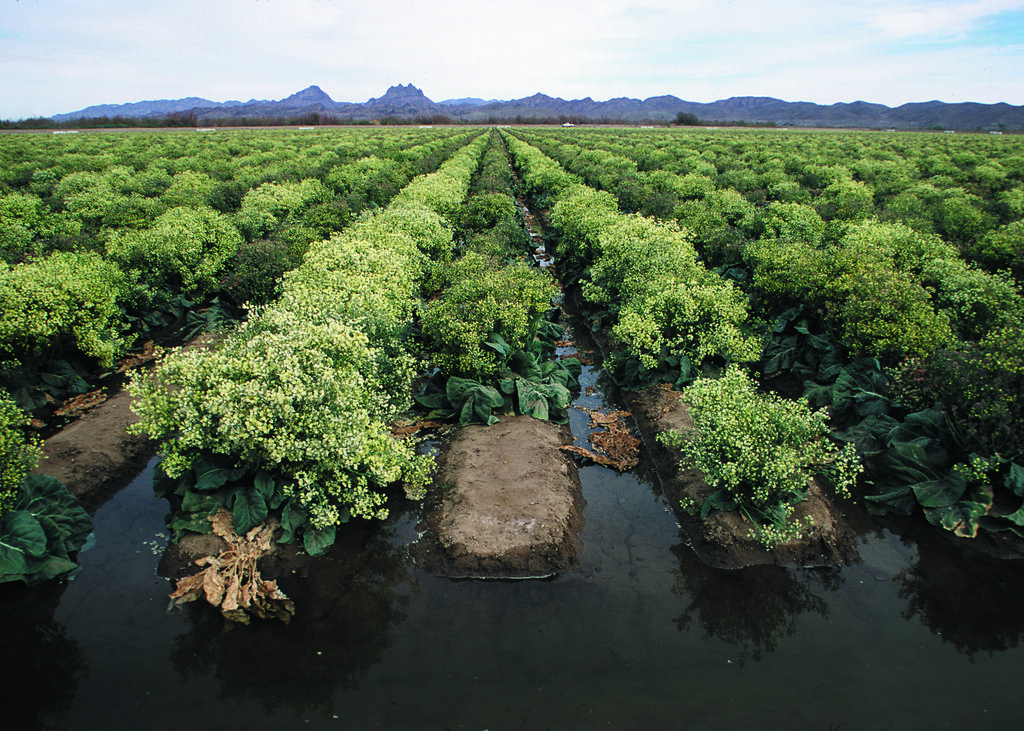
The oldest and simplest method is surface irrigation, which includes flood and furrow techniques. Water is applied to the top of the field and flows across the surface by gravity. While the initial investment is low, the efficiency is often poor. Significant water is lost to evaporation, deep percolation below the root zone, and runoff at the end of the field. On average, only 50-60% of the water applied in a surface system actually reaches the crop.
Sprinkler systems represent a major step up. By spraying water through the air to mimic rainfall, they provide more uniform coverage and can achieve efficiencies of 75-85%. This category includes everything from large center pivot systems that water hundreds of acres to smaller, fixed sprinklers for lawns. However, their main drawback is their susceptibility to environmental factors. High winds can distort the spray pattern, leading to uneven watering, and hot, dry conditions increase evaporative losses before the water even hits the ground.
Modern sprinkler technologies like LESA (Low Elevation Spray Application) mitigate these issues by using drop tubes that release water closer to the crop canopy, reducing the water's travel time through the air.
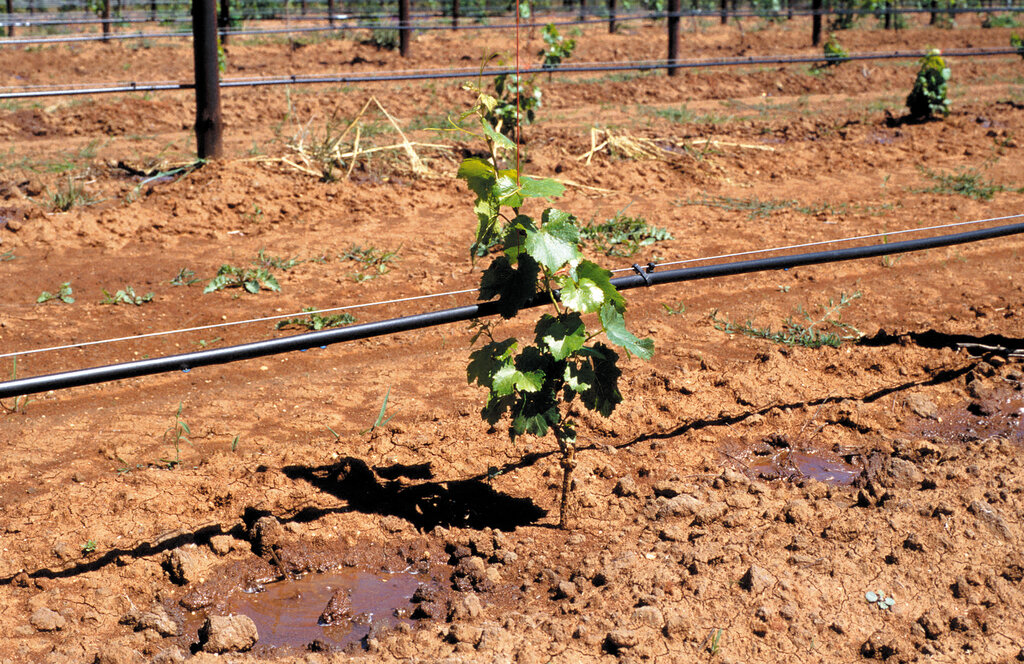
The gold standard for efficiency is , also known as micro-irrigation. With efficiency ratings often exceeding 90%, this method uses a network of tubes and emitters to deliver water slowly and directly to the plant's root zone. Because water is applied precisely where it's needed, losses to evaporation and runoff are virtually eliminated.
Properly designed, installed, and managed, drip irrigation may help achieve water conservation by reducing evaporation and deep drainage when compared to other types of irrigation such as flood or overhead sprinklers since water can be more precisely applied to the plant roots.
| Method | Water Use Efficiency | Key Limitation |
|---|---|---|
| Surface (Flood/Furrow) | 50-60% | High water loss; requires flat land. |
| Sprinkler | 75-85% | Affected by wind and evaporation. |
| Drip/Micro-irrigation | >90% | High initial cost and maintenance. |
Reading the Landscape
The physical characteristics of your site are a primary filter for selecting an irrigation method. Topography is the most obvious constraint. Surface irrigation requires very flat land, typically with a slope of less than 2%, to ensure even water distribution and prevent rapid runoff and soil erosion.
Sprinkler systems are more flexible, capable of operating on rolling terrain, but they are highly sensitive to wind. A consistent wind of just 5-10 mph can severely disrupt water distribution, leaving some areas parched and others waterlogged. This effect is magnified with sprinklers that throw water high into the air.
Soil texture also plays a critical role. Coarse, sandy soils have a high infiltration rate, meaning water soaks in quickly. Using surface irrigation on sandy soil is inefficient, as water will percolate past the root zone before it can spread across the field. In contrast, heavy clay soils have low infiltration rates, making them prone to puddling and runoff if water is applied too quickly, as can happen with high-volume sprinklers. Drip irrigation provides the most control, allowing you to match the application rate to the soil's ability to absorb water.
Hydrozoning and Economics
In landscapes with diverse plantings, such as parks or residential gardens, applying the same amount of water to everything is wasteful. This is where the principle of comes in. It involves grouping plants with similar water, soil, and sun exposure needs onto the same irrigation circuit or 'zone.'
A simple hydrozone plan might separate a high-water-use lawn area from a low-water-use bed of native perennials and shrubs. Each zone can then be watered on its own schedule, dramatically improving efficiency.
Finally, the decision is always shaped by economics. Surface irrigation has a very low upfront cost but can lead to high long-term costs through wasted water and lower crop yields. Drip systems have the highest initial investment due to the extensive network of pipes, filters, and emitters. However, the operational savings from reduced water and energy use, coupled with increased crop quality and yield, often provide a strong return on investment, especially for high-value crops like fruits and vegetables.
Ultimately, selecting the right irrigation system requires a holistic analysis of your site, your crop, and your budget. By matching the technology to the environment, you can ensure every drop of water is put to its best possible use.
Which irrigation system is generally considered the most efficient, with efficiency ratings often exceeding 90%?
A landscape designer is creating a garden with a mix of drought-tolerant succulents, water-loving ferns, and a vegetable patch. To water efficiently, they group plants with similar water needs onto separate irrigation circuits. What is this practice called?