IP Camera Fundamentals
Introduction to IP Cameras
The Modern Eye
At its core, an IP camera is a digital video camera that sends and receives data over an internet protocol (IP) network. Think of it like a small computer with a lens. It captures images, compresses them into digital video, and then transmits them over a network connection, just like an email or a webpage.
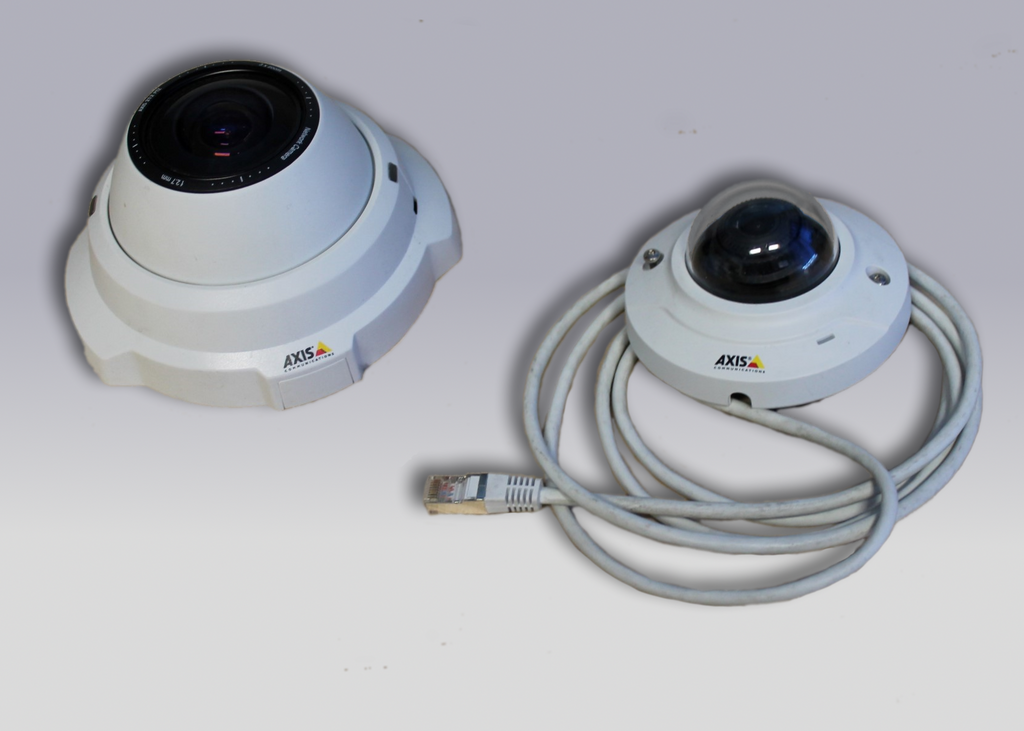
This is a big leap from older surveillance systems. Traditional Closed-Circuit Television (CCTV) cameras were analog devices. They captured video and sent an analog signal over a coaxial cable to a specific recorder, usually a Digital Video Recorder (DVR). To watch the footage, you had to be physically connected to that recorder.
Analog vs. Digital
The shift from analog CCTV to IP cameras changed everything. It's like the difference between listening to a cassette tape and streaming a song online. One is a physical, limited system, while the other is flexible, digital, and connected. The most significant improvements are in video quality, accessibility, and the system's ability to grow.
| Feature | Analog CCTV | IP Camera |
|---|---|---|
| Resolution | Low (Standard Definition) | High (HD, 4K, and higher) |
| Cabling | Coaxial Cable | Ethernet or Wi-Fi |
| Recording | DVR (Digital Video Recorder) | NVR (Network Video Recorder) or Cloud |
| Access | On-site only | Remote (Phone, Computer) |
| Power | Separate power cable | Power over Ethernet (PoE) or standard plug |
It is super useful to upgrade the analog camera system to an IP surveillance system without replacing legacy coaxial cables.
Key Advantages
The benefits of using an IP-based system are clear. First is resolution. IP cameras capture video at much higher resolutions than their analog counterparts. This means sharper, more detailed images where you can actually identify faces or read license plates, which is often crucial for security.
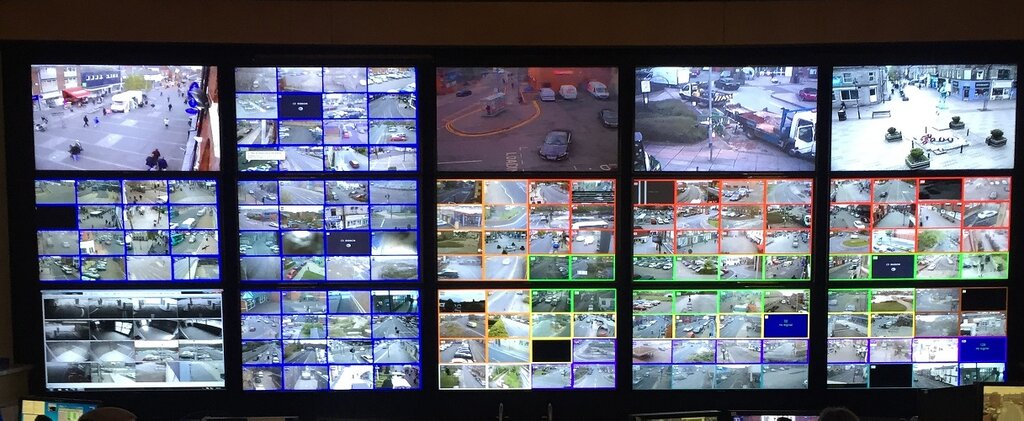
Remote access is another major advantage. Because the cameras are on a network, you can log in and view live or recorded footage from anywhere in the world with an internet connection. You can check on your home while on vacation or monitor a business from your phone.
Finally, IP camera systems are highly scalable. Adding a new camera to a network is much simpler than running new coaxial cables back to a central DVR. You can start with one camera and easily add dozens more as your needs grow. This flexibility makes them suitable for everything from a small apartment to a large corporate campus.
Common Camera Types
IP cameras come in several shapes and sizes, each designed for different situations.
Fixed cameras are the simplest type. They point in a single, unchanging direction. These are perfect for monitoring a specific, high-traffic area like a doorway, a cash register, or a hallway.
For more active surveillance, there are Pan-Tilt-Zoom (PTZ) cameras.
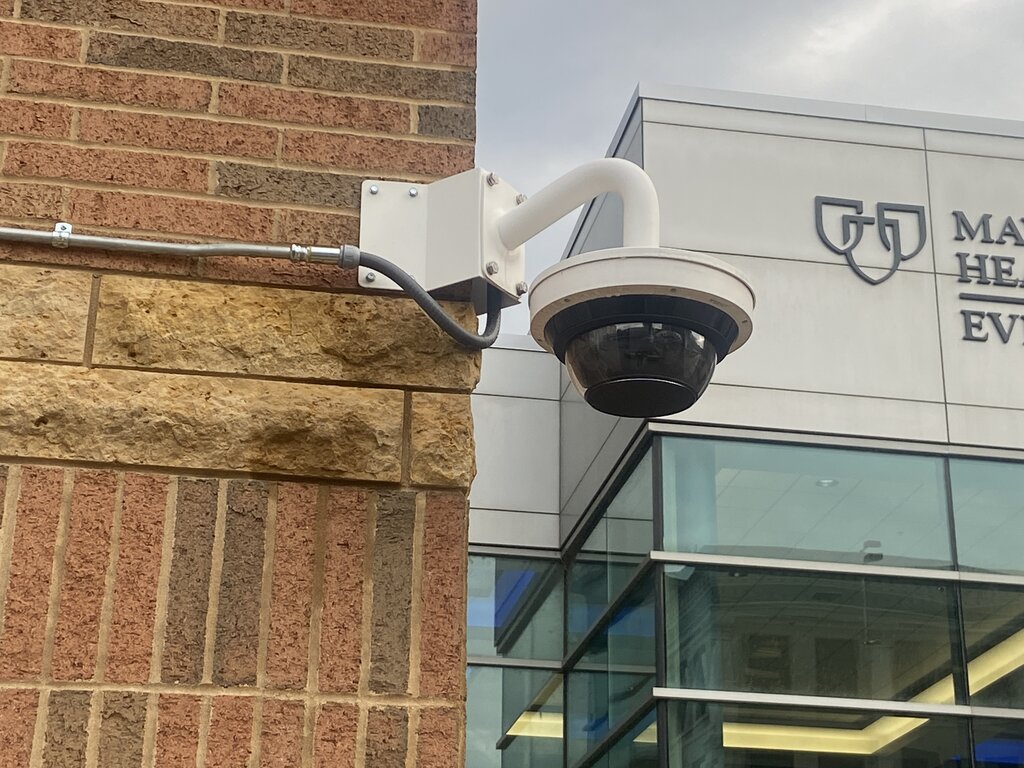
As the name suggests, these cameras can be remotely controlled to pan left and right, tilt up and down, and zoom in on details. A single PTZ camera can cover a large area, like a parking lot or a public square, that would otherwise require multiple fixed cameras.
Dome cameras are named for their dome-shaped housing. This design is discreet and makes it difficult for people to know exactly where the lens is pointing. The casing also provides protection from weather and tampering, making them a popular choice for both indoor and outdoor locations.
In homes, IP cameras are commonly used to monitor front doors, watch over children or pets, and keep an eye on property when away. Businesses use them for a wider range of applications, including preventing theft in retail stores, monitoring employees in offices, and securing large facilities like warehouses and manufacturing plants.
Ready to test your knowledge?
What is the primary way an IP camera transmits video data?
Which of the following is considered a major advantage of IP cameras over older analog CCTV systems?
Whether for home peace of mind or business security, IP cameras offer a powerful and flexible solution for modern surveillance.