Introduction to UX Design
Introduction to UX Design
What is UX Design?
User Experience (UX) design is the process of creating products, systems, or services that provide meaningful and relevant experiences to users. It’s not just about how a product looks, but how it feels to use. Think about the last time you used an app that was confusing or a website that was hard to navigate. That feeling of frustration is the result of poor UX.
Conversely, a product with good UX is intuitive, efficient, and enjoyable. It anticipates your needs and helps you accomplish your goals without any friction. The focus is always on the person using the product.
User Experience (UX)
noun
A person's perceptions and responses resulting from the use or anticipated use of a product, system, or service. It encompasses all aspects of the end-user's interaction with the company, its services, and its products.
Many people confuse UX with User Interface (UI) design. While they are related, they aren't the same. UI design focuses on the visual elements of a product—the buttons, icons, and layouts. UX design is the bigger picture. It's the underlying structure and logic that makes the interface easy to use. A product can look beautiful (good UI) but be impossible to use (bad UX).
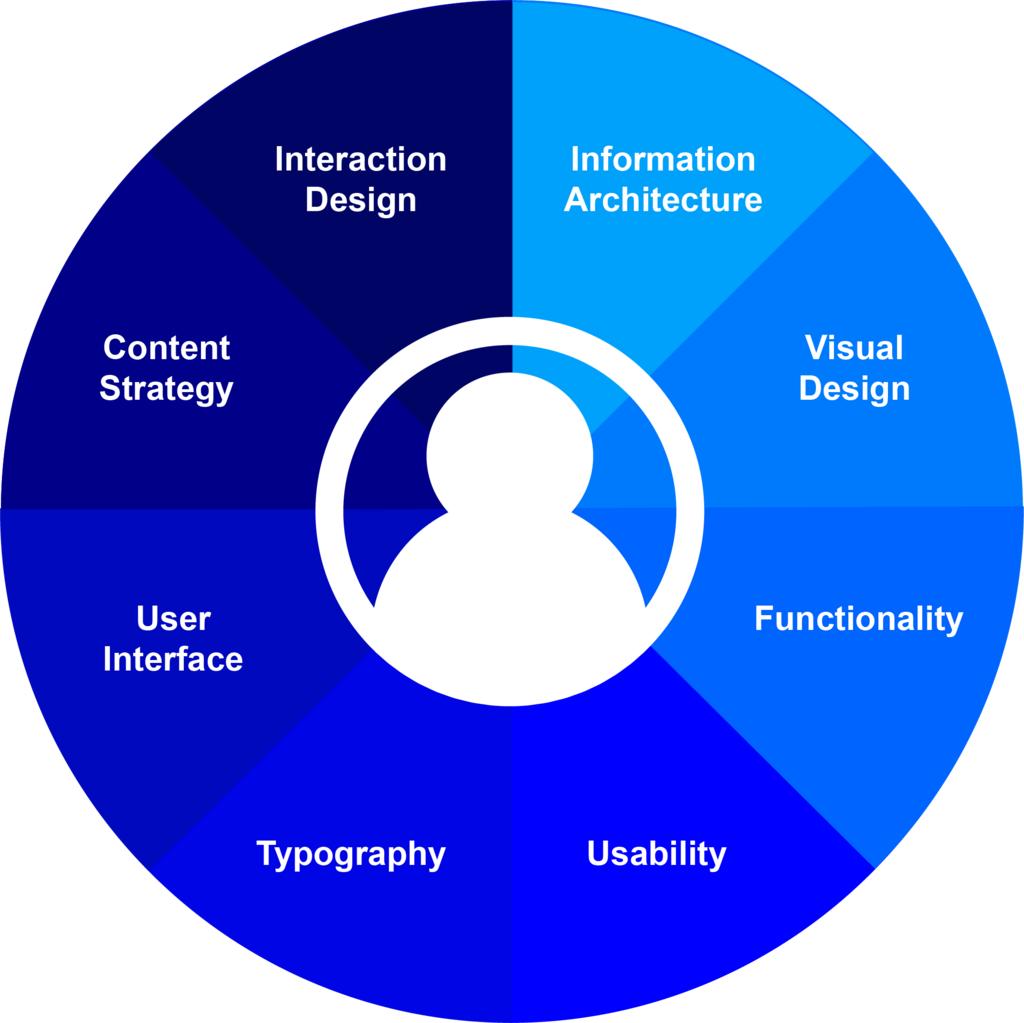
Guiding Principles
Effective UX design follows a set of core principles. The most important is being user-centered. This means every design decision is made with the user's needs, goals, and limitations in mind. Designers don't just guess what users want; they conduct research to understand their audience deeply.
User-centered design ensures digital products address real user needs, behaviors, and goals.
Other key principles include:
- Clarity: The design should be easy to understand. Users should never have to wonder what to do next. Everything from the language used to the layout of a page should be clear and concise.
- Consistency: Elements should look and behave in a predictable way throughout the product. A consistent design helps users learn the interface quickly and builds a sense of trust and reliability.
- Accessibility: A product should be usable by everyone, regardless of their abilities. This means designing for people with disabilities, such as visual or motor impairments, ensuring that the experience is inclusive.
Why Good UX Matters
Investing in good UX has a powerful impact on both users and the business behind the product. For users, a positive experience leads to satisfaction and a feeling of empowerment. They can accomplish what they set out to do without unnecessary stress.
For a business, the benefits are just as significant. A product with strong UX can lead to increased customer loyalty, better user engagement, and higher conversion rates. When people enjoy using a product, they are more likely to recommend it to others and continue using it themselves. Bad UX, on the other hand, can drive users away and damage a brand's reputation.
| Aspect | Good UX | Bad UX |
|---|---|---|
| User Feeling | Satisfied, efficient, happy | Frustrated, confused, annoyed |
| Business Outcome | Higher engagement, customer loyalty | High bounce rates, poor reviews, lost revenue |
Ultimately, UX design is about building a bridge between people and technology. It’s a field dedicated to making our digital world more human, intuitive, and effective.