Introduction to User Experience Design
Introduction to UX Design
What Is User Experience?
User Experience (UX) design is the process of creating products that are easy, effective, and enjoyable to use. It’s not just about how a product looks, but how it feels. Think about the last time you used an app that was confusing or frustrating. That was a bad user experience. Now think of an app you love because it’s so simple and intuitive. That's good UX design in action.
UX focuses on the entire journey a person has with a product, from the moment they first hear about it to the last time they use it.
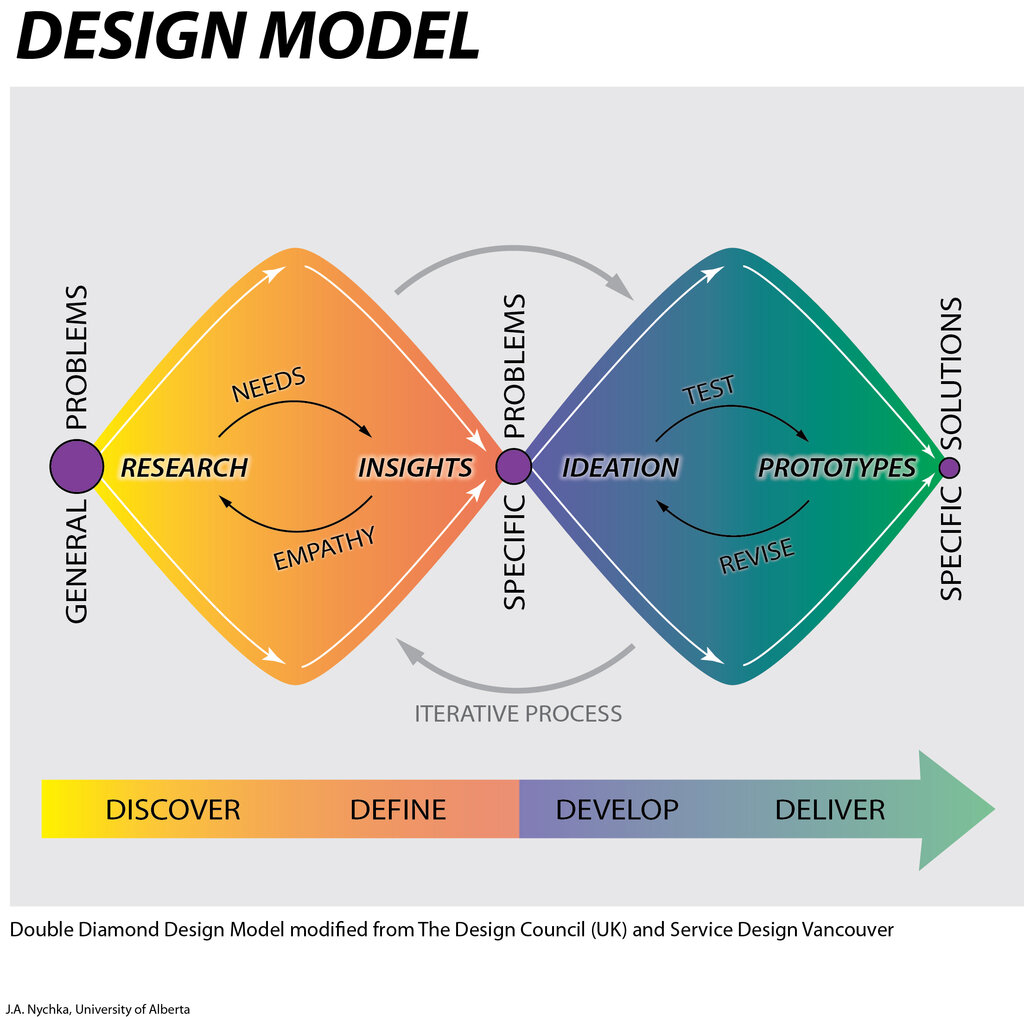
The goal is to make every interaction meaningful and efficient. A UX designer's job is to understand the user's needs and create a product that meets those needs without any friction. This involves researching user behaviors, testing designs, and constantly refining the product based on feedback.
UX vs. UI
People often confuse User Experience (UX) with User Interface (UI) design, but they are two distinct disciplines. While they work closely together, they have different focuses.
User Interface (UI) design is about the visual and interactive elements of a product. It covers everything from the buttons you click to the colors and fonts you see. UI is the aesthetic part of the design; it's what makes a product look appealing.
User Experience (UX) design, on the other hand, is the holistic experience. It’s the underlying structure and logic that makes the interface work. If a product is a house, UI is the paint color and furniture, while UX is the architectural blueprint that ensures the house is logical and easy to live in.
| UX Design | UI Design | |
|---|---|---|
| Focus | The overall feel and usability of the experience | The look, feel, and interactivity of the interface |
| Goal | To create a seamless and logical journey | To create a visually appealing and interactive surface |
| Activities | User research, journey mapping, wireframing | Visual design, typography, color palettes, animations |
Key Principles of Good UX
Effective UX design is guided by a few core principles that help create products people love to use. These aren't rigid rules, but foundational ideas that keep the focus where it should be: on the user.
1. User-Centered Design: This is the most important principle. It means putting the user at the heart of every design decision. Designers must deeply understand who their users are, what they need, and what their limitations might be. This involves research, interviews, and creating user personas to represent the target audience.
2. Clarity and Simplicity: A good product is easy to understand and use. It shouldn't require a manual. Designers strive for clarity by using familiar language, logical layouts, and predictable interactions. The goal is to remove unnecessary complexity so the user can achieve their goals effortlessly.
3. Consistency: Consistency in design helps users learn an interface quickly. When buttons, menus, and other elements behave the same way throughout a product, users feel more confident and in control. This applies to both visual consistency (using the same colors and fonts) and functional consistency (making sure actions have predictable outcomes).
4. Accessibility: Great UX is for everyone. Accessibility ensures that people with disabilities, such as visual or motor impairments, can use the product effectively. This includes practices like providing text alternatives for images, ensuring high color contrast, and making the interface navigable with a keyboard.
By following these principles, designers can create experiences that are not only functional but also build trust and satisfaction.
The Impact of UX
Why do companies invest so much in UX design? Because it has a direct impact on both user satisfaction and business success. A product with a strong user experience is more likely to attract and retain customers.
When a product is intuitive and solves a user's problem effectively, that user is more likely to become a loyal customer and recommend the product to others. This leads to higher engagement, better conversion rates, and increased revenue.
On the flip side, poor UX can drive users away. A frustrating experience can damage a brand's reputation and lead to lost business. In a competitive market, a positive user experience is often the key differentiator that sets a successful product apart from the rest.
Investing in exceptional UI/UX design isn’t just about aesthetics—it’s about creating a product that delivers real value, drives business growth, and keeps users returning for more.
A UX designer acts as an advocate for the user within the development process, ensuring that business goals are met in a way that respects and serves the user's needs.
What is the primary goal of User Experience (UX) design?
If a product is compared to a house, the User Interface (UI) is the paint and furniture, while the User Experience (UX) is the architectural blueprint.