Introduction to Trading
Introduction to Financial Markets
What Are Financial Markets?
Think of a bustling farmers' market. Growers sell produce to shoppers, and money changes hands. Financial markets are similar, but instead of fruits and vegetables, the items for sale are financial instruments like stocks and bonds. These markets are where savers and investors provide money to businesses and governments that need it.
Essentially, financial markets channel savings and investment between those who have capital and those who need it. This process helps companies grow, funds public projects, and allows individuals to build wealth. It's the engine room of the economy.
The Market's Structure
Financial markets aren't just one giant free-for-all. They're split into two main types: primary and secondary markets.
The primary market is where new securities are born. When a company wants to raise money, it might sell new shares of stock to the public for the first time. This event, called an Initial Public Offering (IPO), happens on the primary market. The money from this sale goes directly to the company.
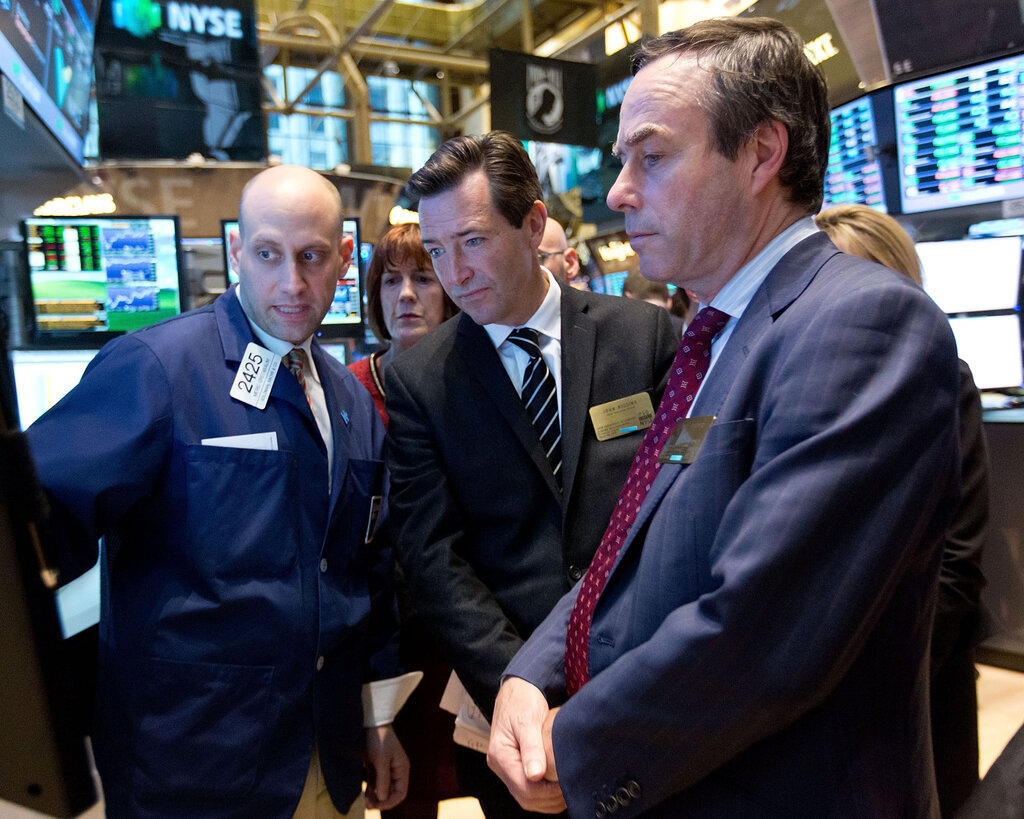
The secondary market is where the action happens after that initial sale. It's where investors trade those securities among themselves without the company's involvement. The New York Stock Exchange (NYSE) is a famous example of a secondary market. When you hear about stock prices going up or down, it's all happening here. The company doesn't receive any money from these transactions.
Who's Who in the Market
Several key players keep the financial markets running. Understanding their roles is crucial.
Issuers are the entities that sell securities to raise money. This includes corporations selling stocks and bonds, and governments selling bonds to fund public projects.
Investors are the buyers of these securities. They can be individuals like you (often called retail investors) or large institutions like pension funds, mutual funds, and insurance companies.
Intermediaries are the matchmakers. They connect issuers with investors and make trading possible. This group includes investment banks, which help companies issue new securities, and brokers, who execute trades for investors. Exchanges, like the NYSE, provide the platform where trading occurs.
| Participant | Role |
|---|---|
| Issuers | Raise capital by selling securities |
| Investors | Provide capital by buying securities |
| Intermediaries | Facilitate the connection and transactions between issuers and investors |
The Tools of the Trade
Investors use different financial instruments to achieve their goals. The three main types are stocks, bonds, and derivatives.
Stock
noun
A type of security that signifies ownership in a corporation and represents a claim on part of the corporation's assets and earnings.
When you buy a company's stock, you own a small piece of that company. You become a shareholder. If the company does well and its value increases, the price of your stock may go up. If it does poorly, the price may fall.
Bond
noun
A fixed-income instrument that represents a loan made by an investor to a borrower (typically corporate or governmental).
Buying a bond is like giving a loan. The issuer promises to pay you back the full amount on a specific date (the maturity date) and, in the meantime, pays you periodic interest. Bonds are generally considered less risky than stocks.
Finally, there are derivatives. These are more complex instruments. A derivative is a contract between two or more parties whose value is based on an agreed-upon underlying financial asset (like a stock or a bond) or set of assets. Options and futures contracts are common types of derivatives. Their purpose is often to manage risk or to speculate on price movements.
Simply put: stocks are ownership, bonds are loans, and derivatives are contracts based on the value of something else.
How Trading Works
Trading happens on an exchange or 'over-the-counter' (OTC). Exchanges, like the NYSE or Nasdaq, are centralized, regulated marketplaces where buyers and sellers come together.
The basic mechanism is an order-driven system. A buyer places a 'bid' order, specifying the highest price they're willing to pay. A seller places an 'ask' order, specifying the lowest price they're willing to accept. When a bid and an ask price match, a trade is executed. All of this happens electronically in fractions of a second.
Now that you've got the basics down, let's test your knowledge.