Introduction to Tok Pisin
Introduction to Tok Pisin
The Language Bridge of a Nation
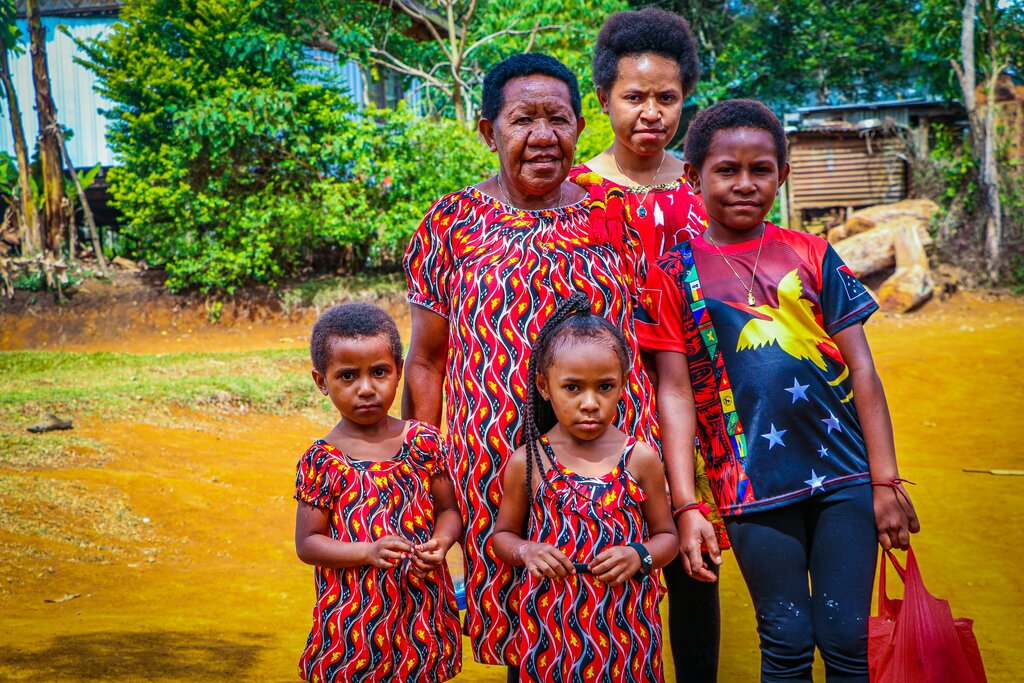
Papua New Guinea is one of the most linguistically diverse countries on Earth. Over 800 distinct languages are spoken there, more than in any other nation. This incredible variety reflects a rich tapestry of cultures, but it also presents a major challenge: how can people from different villages and regions communicate with one another?
The answer for millions is Tok Pisin. It serves as a lingua franca, a common language that bridges the gaps between the country's many local tongues. It allows people from different linguistic backgrounds to trade, govern, and simply connect with each other.
From Pidgin to National Language
Tok Pisin didn't appear overnight. Its story begins in the 19th century on colonial plantations, where workers from various islands, speaking different languages, needed a way to communicate with each other and with their English- and German-speaking overseers. They developed a simplified contact language, or pidgin, blending words from English with the grammar and vocabulary of local languages, particularly those from the New Ireland province.
Over time, this pidgin grew more complex. As generations passed, children began learning it as their first language. When a pidgin becomes the native tongue of a community, it evolves into a creole, a fully developed language with its own stable grammar and expanded vocabulary.
creole
noun
A stable, natural language that develops from the mixing of different languages. A creole becomes the native language of a community, unlike a pidgin, which is a simplified second language.
This transformation is key to understanding Tok Pisin today. It's not just a simplified version of English; it's a distinct and expressive language in its own right. The name itself reflects its origins: "tok" comes from the English word "talk," and "pisin" comes from "pidgin."
An Official Voice
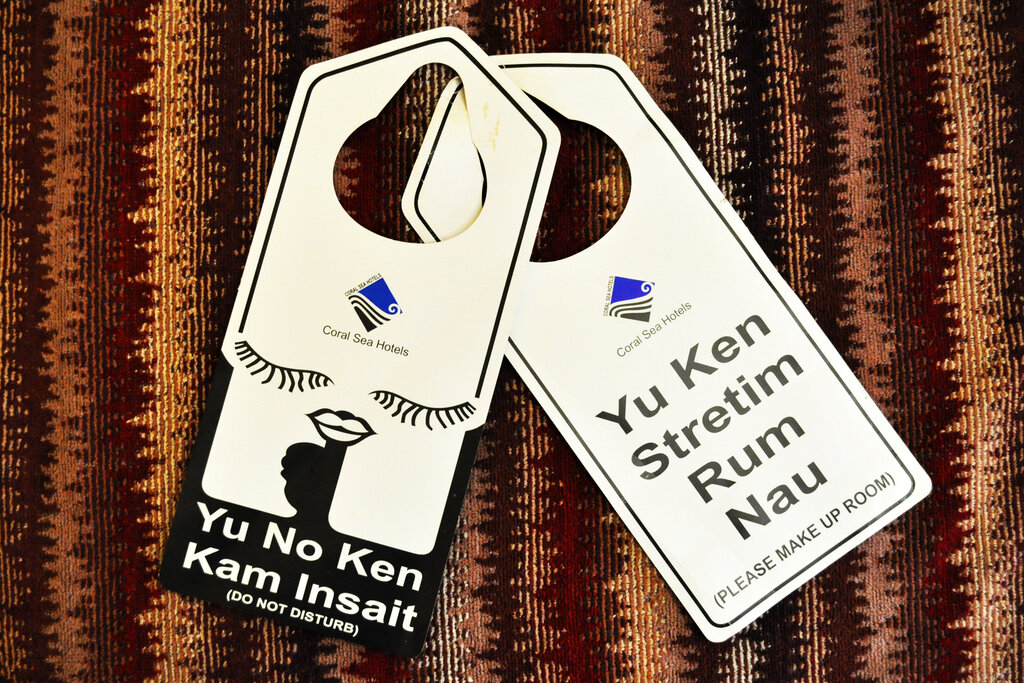
Today, Tok Pisin is one of the three official languages of Papua New Guinea, alongside English and Hiri Motu. While English is often used in higher education and for international communication, Tok Pisin dominates daily life. It's the language of the marketplace, the media, and even parliamentary debates.
Radio broadcasts, newspapers, and public service announcements frequently use Tok Pisin to reach the widest possible audience. Its widespread use makes it a powerful force for national unity, creating a shared identity in a country of countless cultures.
As a creole, Tok Pisin has a grammar that is systematic and regular, often drawing on patterns from the local languages that influenced it. Much of its vocabulary is derived from English, but words are often spelled phonetically and can take on new meanings.
Learning about Tok Pisin offers a window into the history and culture of Papua New Guinea. It is a living example of how languages adapt and evolve to meet the needs of the people who speak them.