Introduction to Surfing
Surfing Equipment
Your First Board
When you're starting out, the single most important piece of gear is your surfboard. It might be tempting to grab a sleek, short board like the pros ride, but that's a common mistake. For beginners, the goal is stability and buoyancy. You want a board that's easy to paddle and forgiving to stand on.
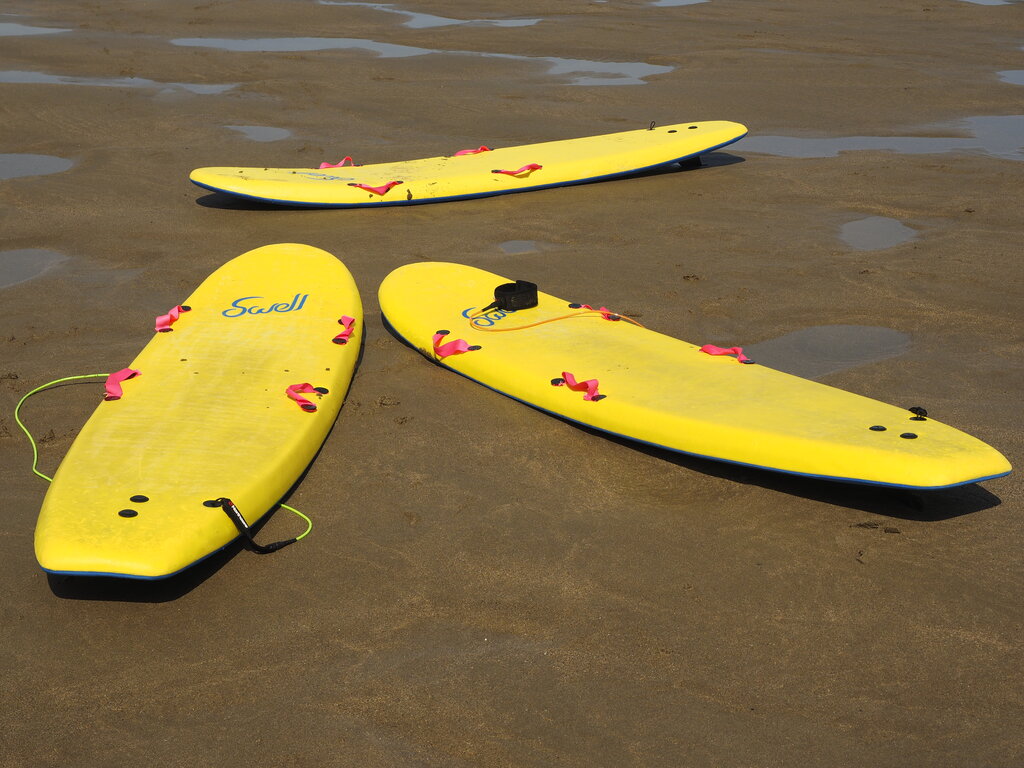
Your best friends will be soft-top foam boards or longboards. Foam boards are covered in a soft, spongy material, which makes them safer if you fall and hit the board (and you will). Longboards are typically over 8 feet long and wide, giving you a stable platform to learn on. Both types are great at catching small, gentle waves, which are perfect for practice.
| Board Type | Best For | Key Feature |
|---|---|---|
| Foam Board | Absolute Beginners | Soft, safe construction |
| Longboard | Learning Balance | High volume and stability |
| Funboard | Next Step | Shorter than a longboard, easier to turn |
Dressing for the Water
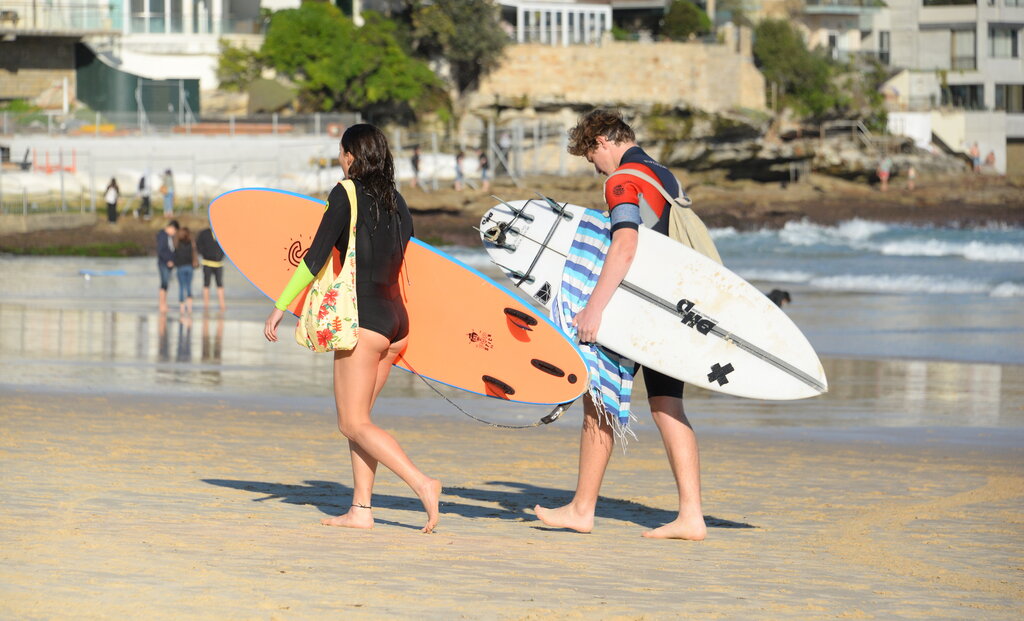
Unless you're surfing in tropical water, you'll need a wetsuit. A wetsuit keeps you warm by trapping a thin layer of water between the suit and your skin. Your body heat warms this water, creating an insulating barrier against the cold ocean.
Wetsuits come in different thicknesses, measured in millimeters (mm). A common thickness for cool water is a 3/2mm, which means the material is 3mm thick around your torso and 2mm thick on your arms and legs for better flexibility. The right thickness depends entirely on the water temperature where you'll be surfing. A wetsuit also provides some protection from the sun and scrapes from your board.
A wetsuit should fit like a second skin—snug all over, but not so tight that it restricts your movement or breathing.
Staying Connected
A surfboard leash is a non-negotiable safety item. This urethane cord attaches to the tail of your surfboard on one end and straps around your ankle on the other. Its job is simple but crucial: it keeps your board from being swept away by a wave when you fall off.
Without a leash, your board could be pushed to shore or, worse, hit another surfer. It also serves as your personal flotation device, ensuring you can always grab onto your board to catch your breath after wiping out. Always wear your leash. It protects you and everyone else in the water.
Finishing Touches
Two other small items are essential: fins and wax.
fin
noun
A rudder-like accessory attached to the bottom of a surfboard to improve stability and control.
Fins act like the rudders on a boat, helping you steer the board and giving it stability in the water. Beginner boards usually come with a simple fin setup, so you won't have to worry about choosing them separately at first. Just make sure they're securely attached before you head out.
Surf wax is applied to the top surface of your board where you stand. It creates a sticky, bumpy texture that gives your feet the grip you need to stay on. Without wax, a wet surfboard is incredibly slippery. You'll need to reapply it regularly to maintain good traction.
Apply wax in small, overlapping circles to create the sticky bumps that will keep your feet planted on the board.
That's it for the basic gear. Let's review these key items before moving on.
Ready to check your understanding?
For a beginner surfer, what are the two most important characteristics of a first surfboard?
A wetsuit keeps a surfer warm by ______.
With the right equipment, you're setting yourself up for a safe and successful first experience on the waves. It's all about choosing gear that helps you learn, not gear that looks cool. Now, you're ready to get your feet wet.