Introduction to Python Programming
Introduction to Python
What is Python?
Python is a programming language, a tool for telling computers what to do. What sets it apart is its focus on simplicity and readability. Think of it less like a dense legal document and more like a well-written recipe. This clarity makes it one of the most popular languages for beginners and experts alike.
Python is a versatile, high-level programming language known for its readability and simplicity.
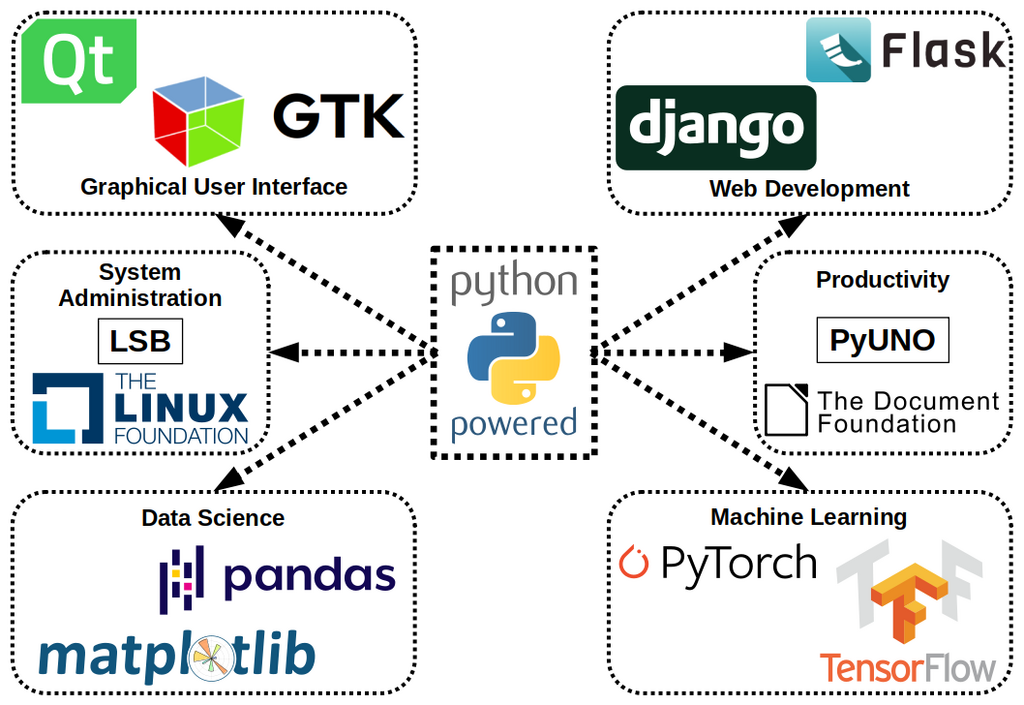
Its versatility is a major draw. Python isn't just for one type of task. It's used to build websites, analyze data, create artificial intelligence, automate repetitive chores, and even power video games. From Netflix's recommendation engine to the software on the International Space Station, Python is working behind the scenes in countless applications.
Readability Counts
The core idea behind Python is that code is read far more often than it's written. When you or someone else revisits code weeks or months later, it should be easy to understand. Python's creator, Guido van Rossum, embedded this philosophy into the language itself.
One of the most distinctive features is its use of indentation. In many other languages, indentation is just for looks, to make code tidy for human eyes. In Python, it's part of the syntax. It's how the computer understands the structure and grouping of your code. Instead of using brackets or keywords to group blocks of code, you simply indent them.
# In many languages, you might see this:
# if (x > 5) {
#   print("x is greater than 5");
# }

# In Python, it's cleaner:
if x > 5:
    print("x is greater than 5")
    print("This line is also part of the 'if' block")

print("This line is not") # Not indented, so it runs regardless
This might feel strange at first, but it forces programmers to write clean, visually organized code. There’s no ambiguity about which lines of code belong to which command.
Different Ways to Think
Python is flexible not just in what it can do, but in how you can write it. It supports several different styles, or paradigms, of programming. You can mix and match them or stick to the one that best fits your problem.
-
Procedural Programming: This is the most straightforward style. You write a list of instructions, like a recipe, and the computer follows them from top to bottom.
-
Object-Oriented Programming (OOP): This style involves creating 'objects' that contain both data and the functions that operate on that data. Think of building something with LEGOs. Each brick (object) is self-contained with its own properties (color, shape) and abilities (connecting to other bricks).
-
Functional Programming: This style treats computation as the evaluation of mathematical functions. It avoids changing data and state, which can help write more predictable and bug-free code.
You don't need to master all these paradigms at once. Most beginners start with a procedural style, which is very intuitive.
Setting Up Your Workspace
To start writing Python, you first need to install it on your computer. The official source for Python is the Python Software Foundation's website, python.org.
- Go to python.org.
- Navigate to the "Downloads" section. The site will usually detect your operating system (Windows, macOS, or Linux) and suggest the best version to download.
- Download the installer and run it. During installation on Windows, it's very important to check the box that says "Add Python to PATH." This makes it much easier to run Python from your computer's command line.
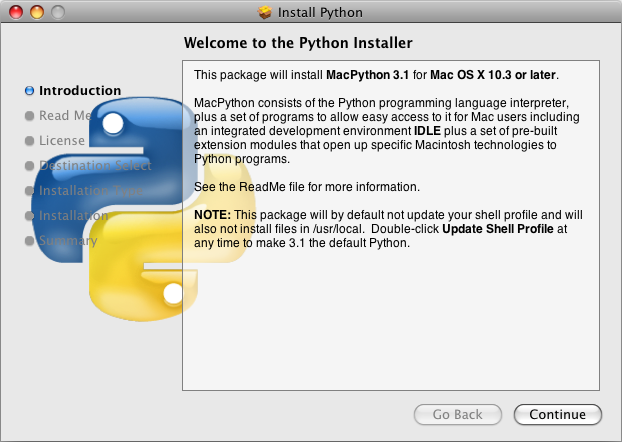
Once installed, Python comes with a simple built-in development environment called IDLE. It includes an interactive shell where you can type Python commands one at a time and see immediate results, as well as a text editor for writing longer programs. This is a great place to start experimenting and writing your first lines of code.
What is the core philosophy that most heavily influenced the design of the Python language?
In Python, what is the primary purpose of indentation?