Introduction to Python Programming
Introduction to Python
Meet Python
Python is a powerful and versatile programming language, created in the late 1980s by Guido van Rossum. Fun fact: he named it after the British comedy troupe Monty Python, not the snake. Today, it's one of the most popular languages in the world, used for everything from web development and data science to artificial intelligence and automation.
What makes Python so popular? A big part of its appeal is its simplicity. Python's syntax is clean and easy to read, which makes it a great language for beginners. It handles a lot of complexity for you, allowing you to focus on solving problems rather than getting bogged down in technical details.
The Zen of Python
Python's design isn't accidental. It's guided by a philosophy of simplicity and readability, summed up in a collection of 20 principles called "The Zen of Python." You can actually see them by typing import this into a Python interpreter.
Beautiful is better than ugly. Simple is better than complex. Readability counts.
This philosophy leads to some of Python's key features. It's a dynamically typed language, which means you don't have to declare the type of a variable (like integer or string) before you use it. The interpreter figures it out automatically. Python also supports multiple programming styles, including procedural, object-oriented, and functional programming, so you can choose the approach that best fits your project.
Another huge advantage is its extensive standard library, often called its "batteries included" philosophy. This library provides tools for many common tasks, so you don't have to write everything from scratch.
Setting Up Your Environment
To start writing Python, you first need to install it. The best place to get it is from the official website, python.org. They provide installers for Windows, macOS, and Linux.
The installation is straightforward. Just download the installer for your operating system and run it. During installation, make sure to check the box that says "Add Python to PATH" on Windows. This will make it easier to run Python from your computer's command line.
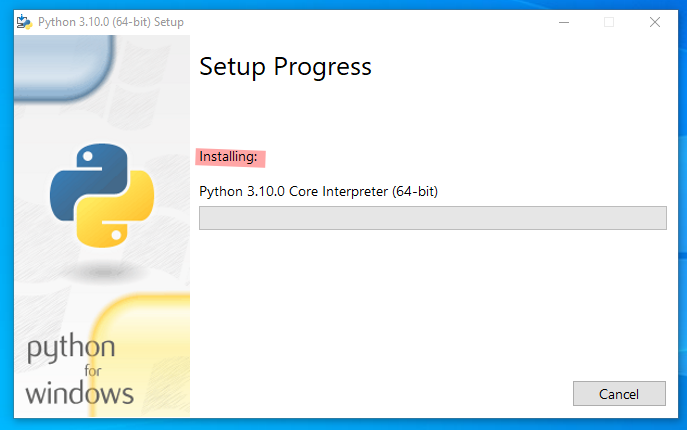
Once installed, you can open your command line (Terminal on macOS/Linux or Command Prompt/PowerShell on Windows) and type python or python3. This will start the Python interpreter in interactive mode. You'll see a >>> prompt, which means Python is ready to take your commands. This is a great way to test small snippets of code.
Your First Program
The traditional first program for any new language is one that prints "Hello, World!" to the screen. In Python, this is incredibly simple. It's just one line.
Open a plain text editor (like Notepad on Windows or TextEdit on Mac) and type the following:
print("Hello, World!")
Save this file as hello.py. The .py extension is important—it tells your computer that this is a Python file.
Now, navigate to the directory where you saved the file using your command line. Once you're in the right folder, run the program by typing:
python hello.py
If everything is set up correctly, you'll see the text Hello, World! printed on the next line. Congratulations, you've just written and run your first Python program!
Now let's check your understanding of these fundamental concepts.
Who is the creator of the Python programming language?
Python's design philosophy emphasizes simplicity and readability. What is the name of the collection of 20 guiding principles that encapsulates this philosophy?
You now have a basic grasp of what Python is, its core philosophy, and how to get it running. You're ready to start exploring the language in more detail.