Introduction to Python Programming
Introduction to Python
What is Python?
Python is a high-level, general-purpose programming language. Created by Guido van Rossum and first released in 1991, its design philosophy emphasizes code readability with its notable use of significant indentation. Think of it as a language that tries to speak more like a human than a computer, which makes it a great choice for beginners.
One of Python's biggest strengths is its versatility. It’s used for building websites and software, automating tasks, and conducting data analysis. Companies like Google, Netflix, and Spotify use Python extensively in their operations, from web development to machine learning algorithms. Its large standard library provides tools suited to many tasks, so you often don't have to write code from scratch.
Key features of Python include its simple, easy-to-learn syntax, its large and supportive community, and a vast collection of libraries and frameworks.
Getting Started
Before you can write Python code, you need to install the Python interpreter on your computer. This is the program that reads your Python code and carries out its instructions. You can download the official installer from the Python website, python.org. The installation is straightforward, and the site provides versions for Windows, macOS, and Linux.
Once Python is installed, you need a place to write your code. While you could use a simple text editor, most developers use an Integrated Development Environment, or IDE. An IDE is like a specialized workshop for programmers. It combines a text editor with other helpful tools, like a debugger for finding errors and a terminal for running your code, all in one place.
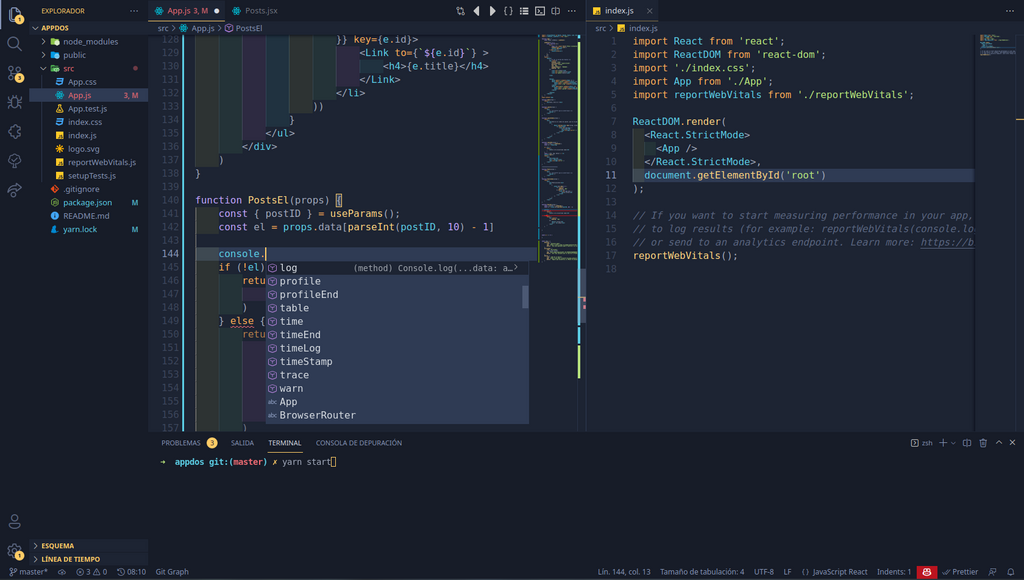
Popular IDEs for Python include PyCharm, Visual Studio Code (VS Code), and Spyder. Many of these are free and offer features like syntax highlighting (which colors your code to make it easier to read) and code completion (which suggests code as you type). For this course, any modern text editor or IDE will work.
Your First Python Script
Let's write a classic first program: "Hello, World!". This simple program just prints a message to the screen. It's a tradition for programmers learning a new language.
Open your IDE or text editor and create a new file. Type the following line of code into the file:
print("Hello, World!")
This line uses the built-in print() function to display the text inside the parentheses. The text itself, "Hello, World!", is a string, which is just a sequence of characters enclosed in quotes.
Save the file with a descriptive name, like hello.py. The .py extension is important because it tells your computer that this is a Python file.
To run the script, you'll need to open your computer's terminal or command prompt. Navigate to the directory where you saved your file and type the following command:
python hello.py
When you press Enter, the Python interpreter will read your file and execute the code. You should see the following output on your screen:
Hello, World!
Congratulations! You've just written and executed your first Python program.
Now, let's check your understanding of these first steps.
Who is the creator of the Python programming language?
What is the primary role of the Python interpreter?
This simple process of writing, saving, and running a file is the fundamental workflow you'll use as you learn more about Python.