Introduction to Python Programming
Introduction to Python
What is Python?
Python is a high-level programming language known for its simple, readable syntax. It was created in the late 1980s by Guido van Rossum, who wanted a language that was easy to write and understand. The core idea is that code is read more often than it's written, so clarity is key.
This focus on readability makes Python a great choice for beginners. Instead of getting bogged down by complex rules, you can focus on learning programming concepts. But don't let its simplicity fool you. Python is incredibly powerful and is used by companies like Google, Netflix, and NASA for everything from web development to data analysis and machine learning.
Key features of Python include its clean syntax, a large standard library (pre-built code you can use), and a massive, supportive community.
Getting Started
To start writing Python, you first need to install it on your computer. You can download the official installer for Windows, macOS, or Linux directly from python.org, the official website of the Python Software Foundation.
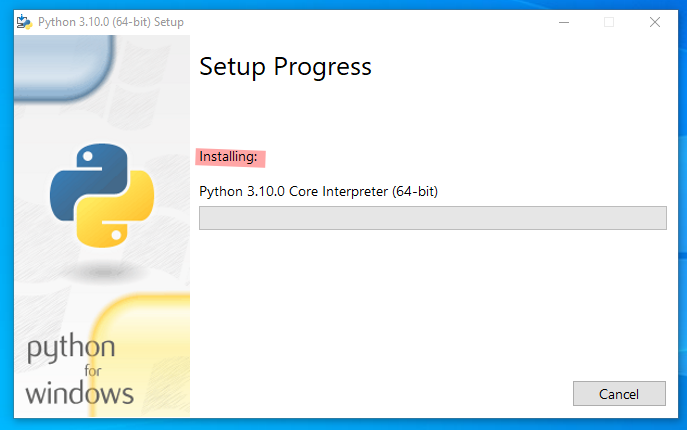
The installation includes Python's standard Integrated Development and Learning Environment, called IDLE. IDLE is a simple tool that allows you to write and run Python code right away. As you get more advanced, you might switch to other code editors, but IDLE is perfect for starting out.
Your First Program
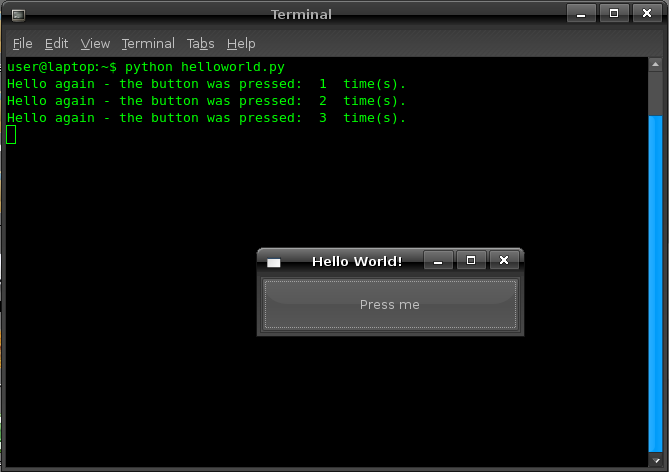
A long-standing tradition in programming is to make your first program display the text "Hello, World!". In Python, this is remarkably simple. It takes just one line of code using the built-in print() function.
print("Hello, World!")
That's it. The print() function simply tells the computer to display whatever is inside the parentheses. You can type this line into the Python IDLE and press Enter to see the output immediately.
What Is Python Used For?
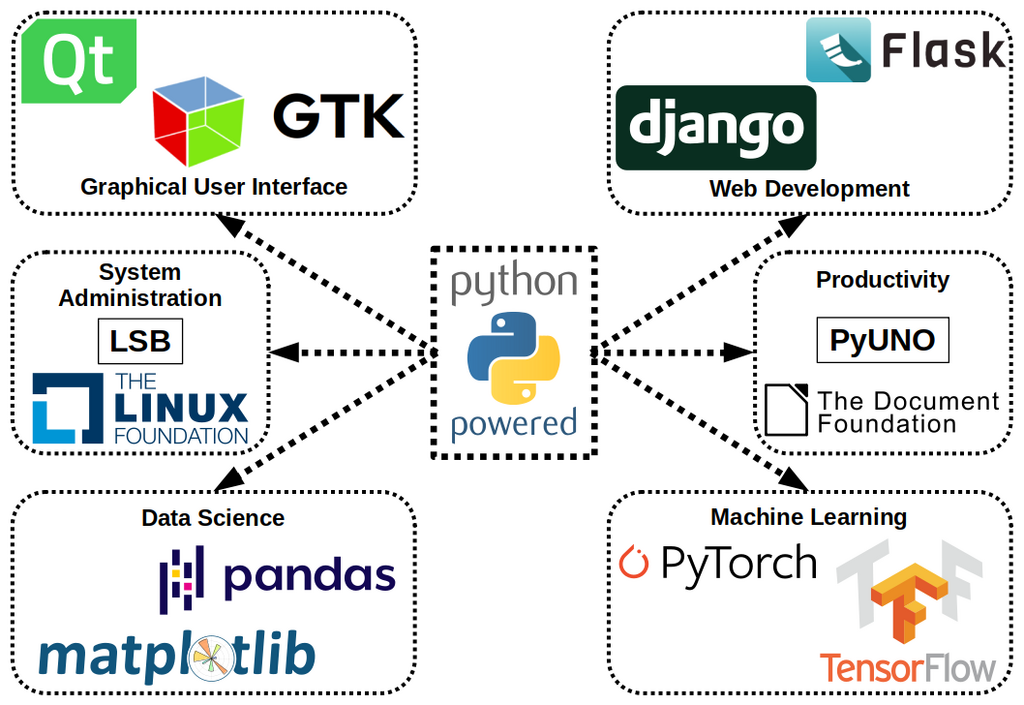
Python's versatility is one of its biggest strengths. It’s not just for one specific task; it's a general-purpose language used across many different fields.
- Web Development: Frameworks like Django and Flask allow developers to build powerful web applications quickly.
- Data Science and Machine Learning: Python is the leading language for data analysis, visualization, and artificial intelligence, thanks to libraries like pandas, NumPy, and TensorFlow.
- Automation and Scripting: Python can be used to automate repetitive tasks, like organizing files, sending emails, or scraping data from websites. This is often called scripting.
- Software Development: It's also used to build desktop applications, games, and business software.
Now that you have an idea of what Python is and what it can do, let's review what you've learned.
What is the primary design philosophy that influenced Python's syntax?
Which of the following lines of code will correctly display the text 'Hello, World!' in Python?
Congratulations on writing your first program! You've taken the first step into the world of programming with one of its most popular and powerful languages.