Introduction to Python Programming
Introduction to Python
What is Python?
Python is a high-level programming language known for its clear, readable syntax. Created by Guido van Rossum and first released in 1991, its design philosophy emphasizes code readability, which is why it looks a lot like plain English. This makes it a great language for beginners.
Despite its simplicity, Python is incredibly powerful. It's used for a huge range of tasks, from building websites and automating repetitive jobs to conducting complex data analysis and developing machine learning models. Companies like Google, Netflix, and NASA all use Python extensively.
Key features include:
- Easy to Learn: The simple syntax allows you to focus on programming concepts rather than getting bogged down by complex rules.
- Versatile: It's a general-purpose language, meaning it can be used to create all sorts of different programs.
- Large Standard Library: Python comes with a vast collection of pre-written code, called modules, that you can use to handle common tasks without starting from scratch.
Getting Set Up
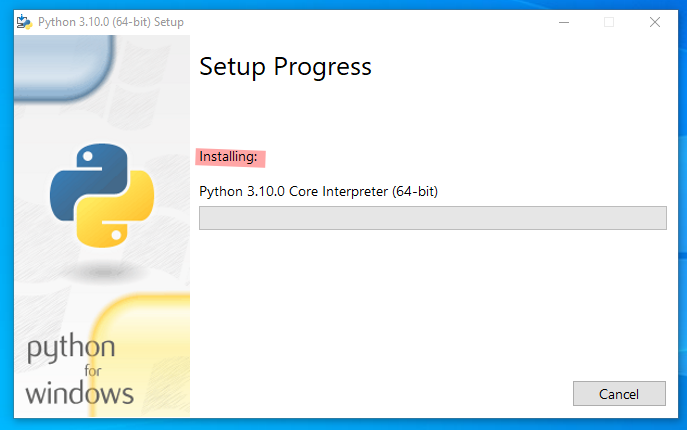
Before you can write Python code, you need to install the Python interpreter on your computer. The interpreter is a program that reads your Python code and executes its instructions. You can download the latest version for free from the official website, python.org.
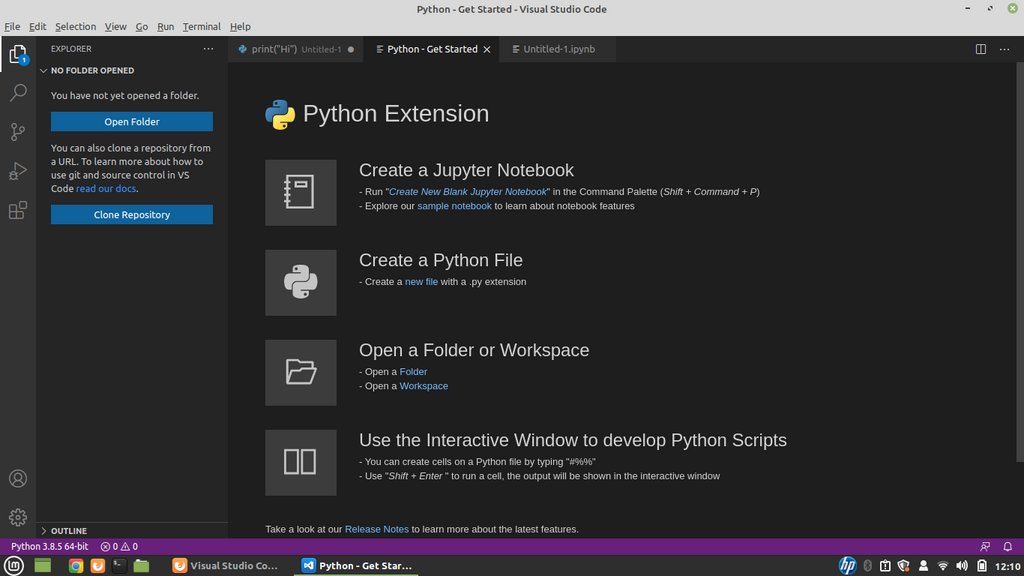
While you can write Python code in any simple text editor, most developers use an Integrated Development Environment, or IDE. An IDE is like a supercharged text editor designed specifically for programming. It typically includes features like syntax highlighting (coloring your code to make it easier to read), error checking, and debugging tools that help you find and fix mistakes.
Think of it like a professional kitchen. You could cook a meal with just a knife and a pan, but a full kitchen with an oven, mixer, and spices makes the process much smoother and more efficient. Popular IDEs for Python include Visual Studio Code (VS Code) and PyCharm. Both are excellent choices with great support for Python development.
Your First Program
It's a tradition for new programmers to start by writing a program that displays the message "Hello, World!". In Python, this is incredibly simple. It requires just one line of code.
print("Hello, World!")
Let's break this down. print() is a built-in Python function that outputs text to the console. Whatever you put inside the parentheses and quotes will be displayed.
To run this program, follow these steps:
- Open your IDE or a plain text editor.
- Type the code exactly as shown above.
- Save the file with a
.pyextension, for example,hello.py. - Open a terminal or command prompt, navigate to the directory where you saved your file, and type
python hello.py(orpython3 hello.pyon some systems). Then press Enter.
You should see Hello, World! printed in your terminal. Congratulations, you've just written and executed your first Python program.
Now that you have the basics down, it's time to check your understanding.