Introduction to Python Programming
Python Basics
What Is Python?
Python is a popular programming language, which is a way to give instructions to a computer. Think of it as a bridge between human language and the zeros and ones a computer understands. It was created in the late 1980s by a Dutch programmer named Guido van Rossum. He wanted to make a language that was powerful but also easy to read and write. Fun fact: he named it after the British comedy troupe Monty Python's Flying Circus.
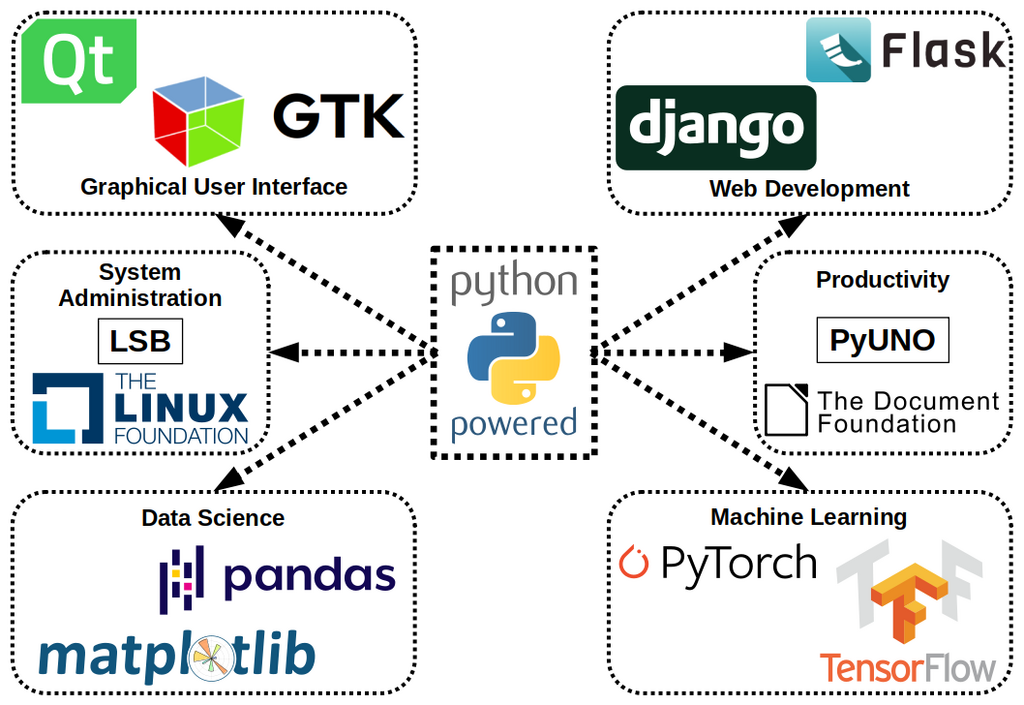
One of Python's biggest strengths is its versatility. Programmers use it for all sorts of tasks, from building websites and automating repetitive chores to analyzing data and creating artificial intelligence systems. This flexibility is a key reason why it's used by companies like Google, Netflix, and NASA.
The language is designed to be readable, with a clean syntax that often looks a lot like plain English. This makes it a great choice for beginners. Python is also an interpreted language. This means you can run your code line by line as soon as you write it, without a complicated compilation step. This makes testing and debugging much faster.
Getting Python on Your Computer
Before you can start writing Python code, you need to install the Python interpreter on your computer. The interpreter is the program that reads your Python code and carries out its instructions. The best place to get it is from the official website, python.org.
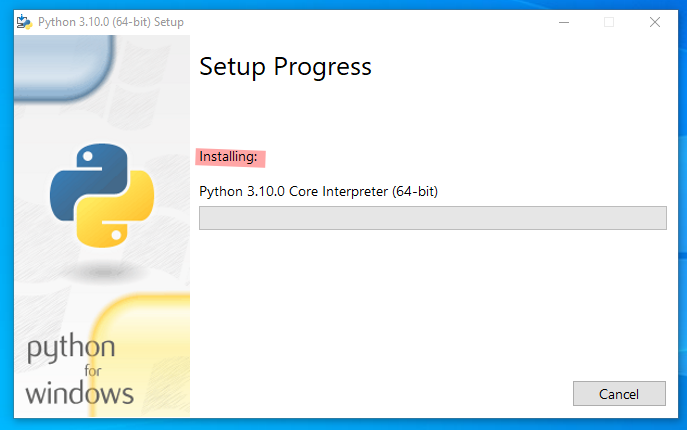
When you run the installer on Windows, you'll see an important checkbox labeled "Add Python to PATH" or something similar. Make sure to check this box. It lets you run Python easily from your computer's command line, which is a useful skill to have. While many macOS and Linux systems come with Python pre-installed, it's often an older version. It's always a good idea to install the latest version from the website to get all the newest features and security updates.
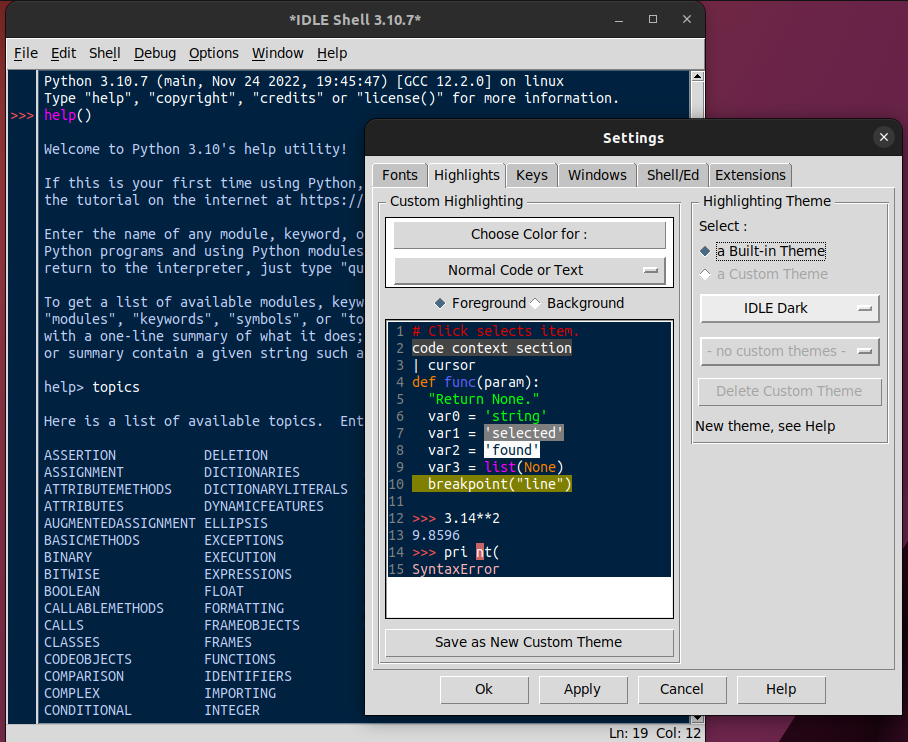
Python's installation also includes a simple program called IDLE, which stands for Integrated Development and Learning Environment. An IDE is like a word processor for code. It provides a text editor for writing your programs and a way to run them, all in one place. IDLE is perfect for getting started.
Your First Program
Let's write your first program. It's a tradition in programming to start by making the computer say "Hello, World!". This simple task confirms that everything is set up correctly.
Open IDLE. You'll see a window with a >>> prompt. This is the Python shell, where you can type commands one at a time and see the results instantly. To print your message, use the print() function.
A function is a reusable block of code that performs a specific action. You "call" a function by writing its name followed by parentheses.
Inside the parentheses, you put the data you want the function to work with. In this case, it's the text "Hello, World!". In programming, a piece of text is called a string, and you must wrap it in quotes.
print("Hello, World!")
Type that line into the shell and press Enter. The computer will immediately respond by printing the message to the screen. Congratulations, you've just written and run your first Python program.
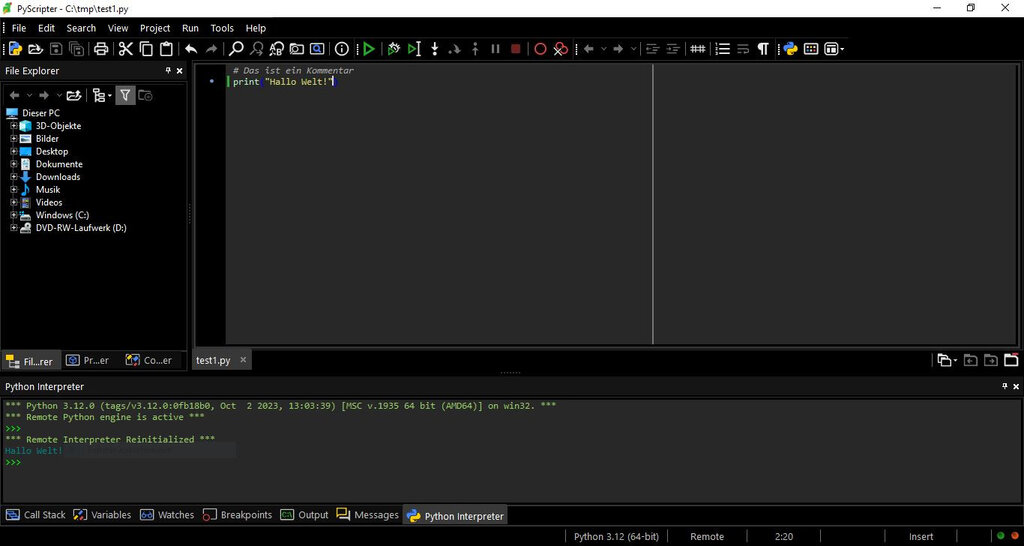
While the shell is great for quick tests, you'll usually write longer programs in a file. In IDLE, go to File > New File. This opens a new text editor window. Type your print() command there, then save the file with a .py extension, like hello.py. To run it, press the F5 key. The output will appear back in the shell window.
Who is the creator of the Python programming language?
The Python language was named after the British comedy troupe Monty Python's Flying Circus.
That's your first step into the world of Python. You've learned what the language is, how to install it, and how to write and run a basic command.