Introduction to Python Programming
Introduction to Python
What Is Python?
Python is a high-level, general-purpose programming language. Think of it as a versatile tool, like a Swiss Army knife for coders. You can use it to build websites, analyze data, automate tedious tasks, and even create artificial intelligence.
It was created in the late 1980s by Guido van Rossum, a Dutch programmer. Fun fact: the name doesn't come from the snake. Van Rossum was a big fan of the British comedy group Monty Python, and he wanted a name that was short, unique, and a little mysterious.
Since its release in 1991, Python has grown immensely in popularity. It's known for having a clean, readable syntax that's easy to pick up, making it a favorite for beginners and seasoned developers alike. Its open-source nature means a massive global community contributes to its development, creating a rich ecosystem of tools and libraries.
The Zen of Python
Python's design isn't accidental. It's guided by a set of 19 principles known as "The Zen of Python." These principles emphasize simplicity, readability, and beauty. You can actually see them by typing import this into a Python interpreter.
Beautiful is better than ugly. Explicit is better than implicit. Simple is better than complex.
This philosophy translates into code that looks more like plain English than a cryptic set of instructions. It's one of the main reasons Python is so approachable. Let's look at some of its key features.
| Feature | Description |
|---|---|
| Interpreted | Code is run line-by-line, which makes debugging easier. You don't need a separate compilation step. |
| Dynamically Typed | You don't have to declare the type of a variable. Python figures it out for you at runtime. |
| High-Level | It handles complex tasks like memory management for you, so you can focus on your own logic. |
| Large Standard Library | Python comes with a huge collection of pre-built modules for tasks like working with files, networking, and more. |
Where Python Shines
Python's versatility means it's used in almost every industry you can think of. Its powerful libraries and frameworks make it a top choice for a wide range of applications.
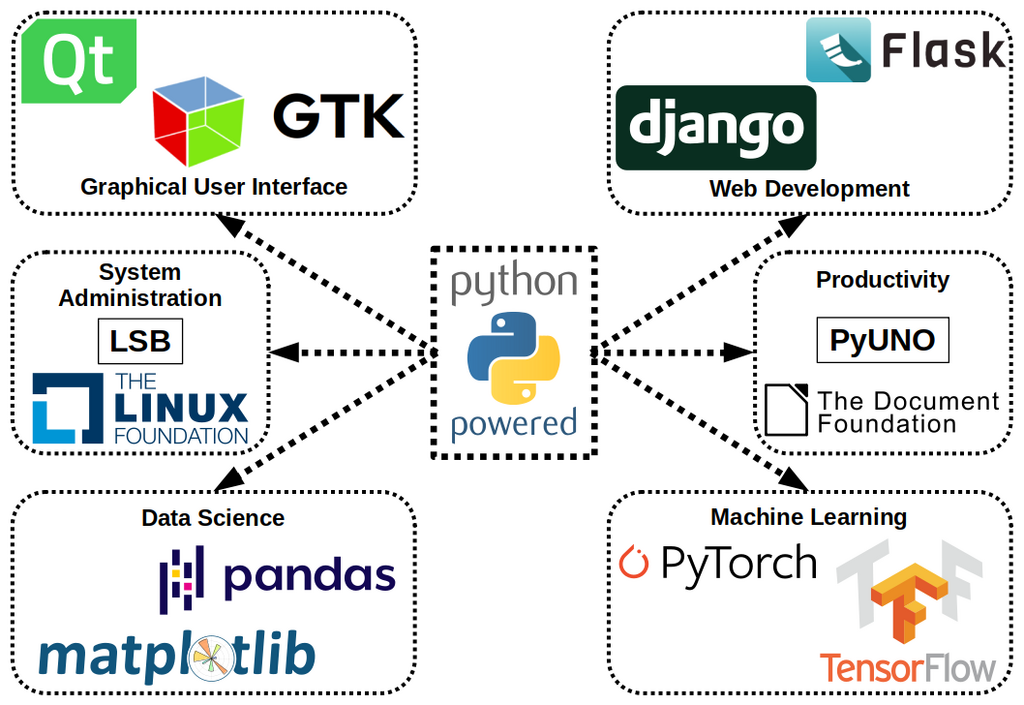
Here are a few major areas where Python is dominant:
- Web Development: Frameworks like Django and Flask allow developers to build robust and scalable websites and web applications quickly. Major sites like Instagram and Pinterest were built using Python.
- Data Science & Machine Learning: This is where Python truly excels. Libraries like Pandas, NumPy, and Scikit-learn make it the go-to language for data analysis, visualization, and building machine learning models.
- Automation & Scripting: Need to rename a thousand files or scrape data from a website? Python is perfect for writing small scripts to automate repetitive tasks, saving you time and effort.
- Software Testing & Prototyping: Its simple syntax allows for rapid development, making it ideal for building prototypes and testing new ideas before committing to a larger project.
Setting Up Your Environment
Ready to get started? The first step is to install Python on your computer. You can download the official installer directly from the Python website, python.org.
Make sure to download the latest version of Python 3. You might see references to Python 2, but it's an older version that is no longer supported. All modern development is done in Python 3.
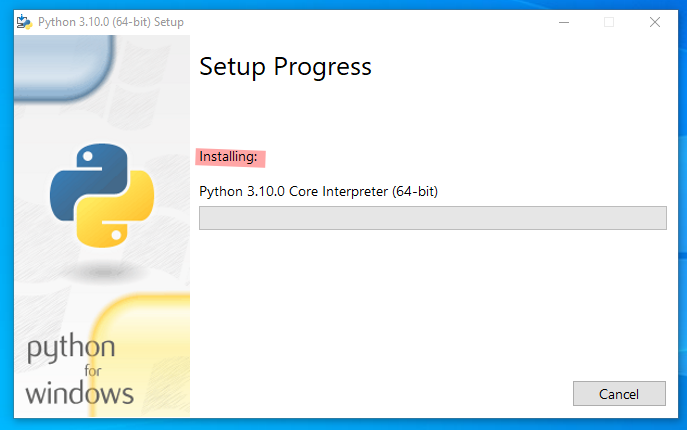
During installation on Windows, be sure to check the box that says "Add Python to PATH." This allows you to run Python from your command line or terminal by simply typing python.
Once installed, you can verify it's working by opening your terminal (Command Prompt on Windows, Terminal on macOS/Linux) and typing:
python --version
This should print the version of Python you just installed. Now you're ready to write your first line of code. You can do this right in the terminal by typing python and hitting Enter. This opens the Python interactive shell, or REPL (Read-Eval-Print Loop). Try typing the following:
print("Hello, World!")
When you press Enter, you should see Hello, World! printed back to you. Congratulations, you've just run your first Python program!
Where did the name "Python" for the programming language come from?
According to the text, which of the following areas is a field where Python particularly excels?