Introduction to Python Programming
Introduction to Python
What is Python?
Python is a programming language, which is a way for us to give instructions to a computer. Think of it like a recipe. A recipe gives a chef a series of steps to follow to create a dish. A programming language gives a computer a series of steps to create a program, run a calculation, or build a website.
What makes Python special is its readability. The language is designed to look a lot like plain English, which makes it one of the easiest languages for beginners to learn. It’s also incredibly versatile. Programmers use Python for everything from building web applications and analyzing data to creating artificial intelligence and automating repetitive tasks.
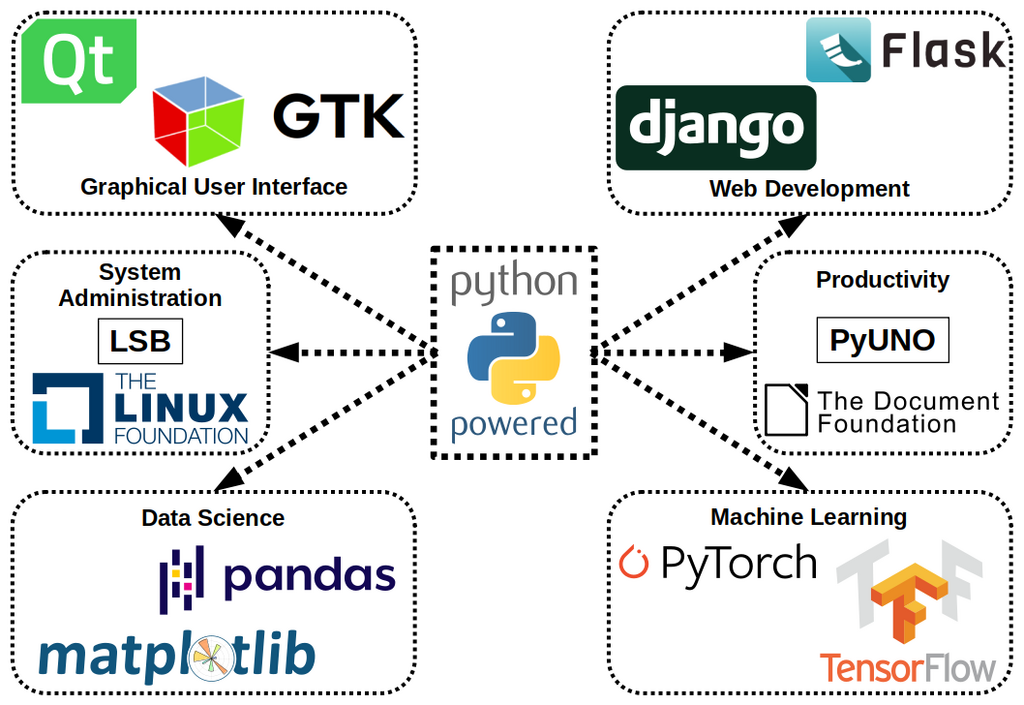
Because it's so popular and easy to learn, there's a huge community of developers who use it. This means if you ever get stuck, help is usually just a quick search away.
Setting Up Your Workspace
Before you can start writing Python code, you need to install it on your computer. Python doesn't come pre-installed on most operating systems. You can download the latest version from the official Python website, python.org.
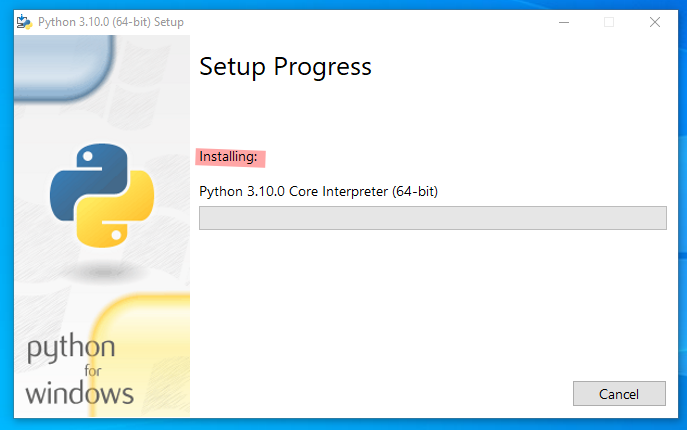
The installation process is straightforward. Just run the installer and follow the on-screen instructions. There’s one important step: on the first screen of the Windows installer, make sure you check the box that says “Add Python to PATH.” This will make it much easier to run your programs later on.
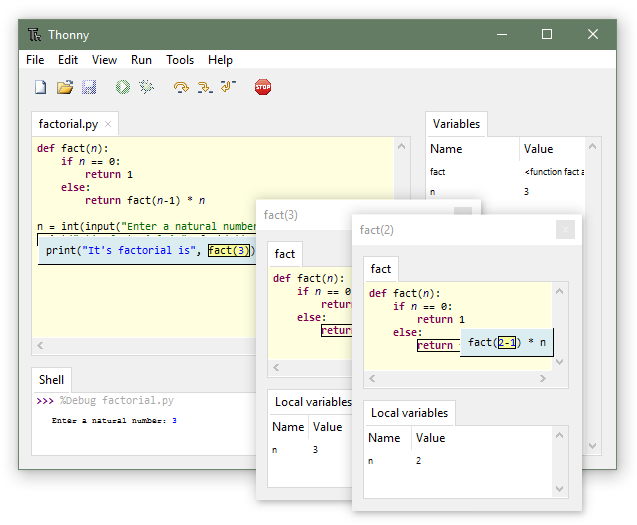
Once Python is installed, you need a place to write your code. While you could use a simple text editor like Notepad, most programmers use an Integrated Development Environment, or IDE. An IDE is like a specialized workshop for a programmer. It’s a text editor with extra tools built in, like syntax highlighting (which colors your code to make it easier to read), debugging tools to help find errors, and a way to run your code with a single click.
For beginners, a simple IDE is best. Thonny is a great choice because it's designed specifically for learning Python. It comes with Python built-in, so you don't have to install it separately. Another popular and more powerful option is Visual Studio Code (VS Code), which can be configured for Python development by installing the official Python extension.
Your First Program
It's a tradition in programming to make your first program print the words "Hello, World!" to the screen. This simple task confirms that your environment is set up correctly and you can run a basic script.
Open your IDE (like Thonny or VS Code) and create a new file. Save it as hello.py. The .py extension is important, as it tells the computer that this is a Python file.
In that file, type the following line of code:
print("Hello, World!")
This code uses a built-in Python function called print(). A function is a reusable block of code that performs a specific action. In this case, the print() function takes whatever is inside the parentheses and displays it on the screen.
Now, run the file. In most IDEs, there's a "Run" button (often a green triangle icon) that will execute the code. If you're using a command line or terminal, you can navigate to the folder where you saved the file and type python hello.py.
When you run the code, you should see the text
Hello, World!appear in your IDE's output window or in your terminal.
Congratulations! You've just written and executed your first Python program. You've taken the first step into the world of programming.
Let's check your understanding of these initial concepts.
What is the primary reason Python is considered a good programming language for beginners?
What is an IDE (Integrated Development Environment)?