Introduction to Python Programming
Introduction to Python
What Is Python?
Python is a programming language, which is a way to give instructions to a computer. Think of it like a recipe. You write down the steps, and the computer follows them to create something, whether that's a website, a game, or an analysis of data.
What makes Python special is its design. It's built to be readable and straightforward, using plain English words instead of dense symbols. This makes it one of the easiest languages for beginners to learn.
Python was created in the late 1980s by Guido van Rossum. He wanted to make a language that was both powerful and easy to read. Fun fact: he named it after the British comedy troupe Monty Python's Flying Circus, not the snake. This playful spirit is still part of the Python community today.
Getting Started
Before you can start writing Python code, you need to install it on your computer. The official home for Python is python.org. You'll find the installers for Windows, macOS, and Linux there.
When you go to download it, you'll see different versions available. The two major versions are Python 2 and Python 3. Python 3 is the present and future of the language, so always choose the latest version of Python 3.
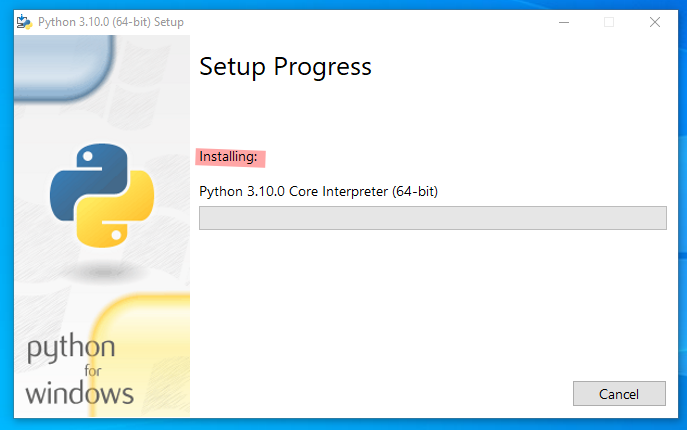
During installation, you'll likely see a checkbox that says "Add Python to PATH." It's a good idea to check this, as it makes it easier to run Python from your computer's command line.
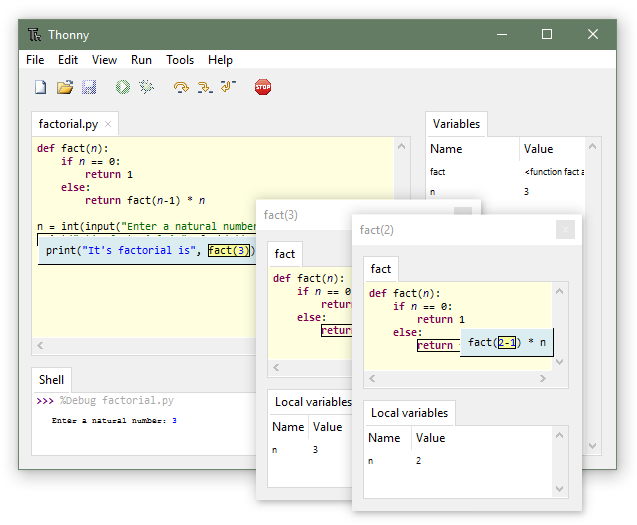
Once Python is installed, you need a place to write your code. You can use a simple text editor, but most programmers use an Integrated Development Environment, or IDE. An IDE is like a supercharged text editor with helpful features like syntax highlighting (coloring your code to make it readable) and debugging tools (to help you find mistakes).
After installing, you can check that everything is working. Open your computer's terminal (on macOS/Linux) or Command Prompt/PowerShell (on Windows) and type the following command:
python3 --version

# On some systems, you might just type:
# python --version
If you see a version number, like Python 3.11.5, you're all set! You have successfully set up your Python environment.
What Can You Do With Python?
Python is often called a "general-purpose" language. That means it isn't specialized for just one task. It's more like a multi-tool, useful in many different areas.
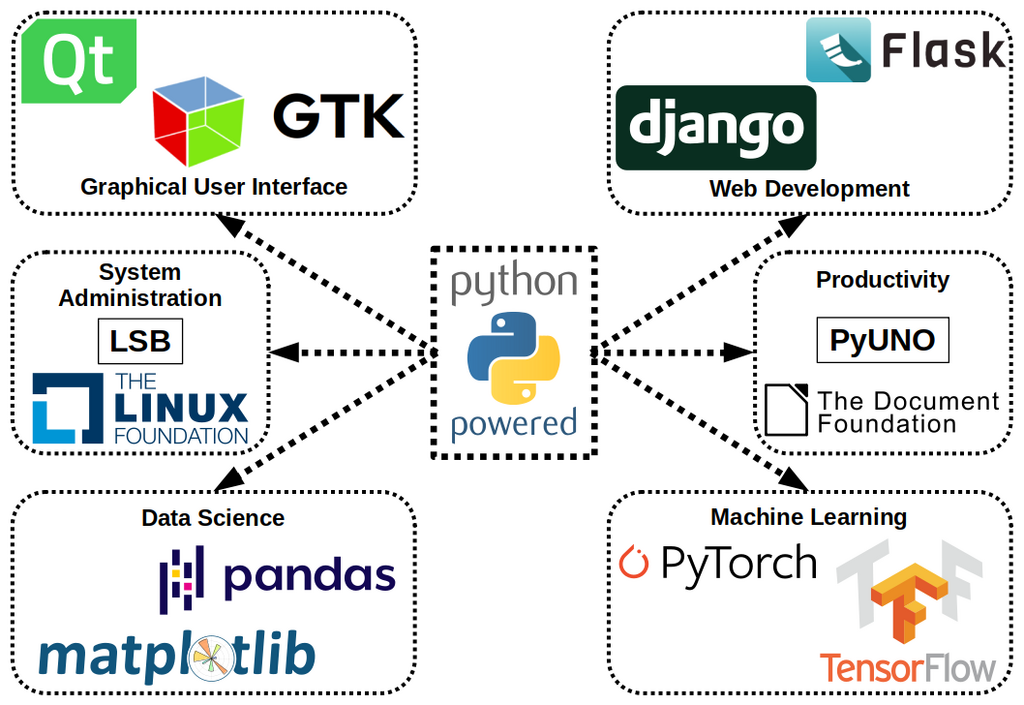
Here are some of the most common applications:
-
Web Development: Python is used to build the server-side logic of websites. Frameworks like Django and Flask make it possible to create powerful and scalable web applications, from simple blogs to complex e-commerce sites.
-
Data Science and Machine Learning: This is where Python truly shines. Libraries like NumPy, pandas, and scikit-learn provide powerful tools for analyzing data, creating visualizations, and building machine learning models. It's the language of choice for many data scientists and AI researchers.
-
Automation and Scripting: Have a boring, repetitive task on your computer? You can write a Python script to automate it. This could be anything from renaming thousands of files to filling out online forms or scraping data from websites.
-
Software Development: Python is also used to create desktop applications, games, and other software tools. Companies like Dropbox and Instagram have used Python extensively in their products.
Its simple syntax and vast collection of libraries mean you can build complex things surprisingly quickly. Now that you have it set up, let's test your understanding of these initial concepts.
What is the primary purpose of a programming language like Python?
When installing Python for a new project, which version should you generally choose?