Introduction to Python Programming
Introduction to Python
What is Python?
Python is a programming language known for its clear, readable syntax. It was created in the late 1980s by Guido van Rossum, who wanted to make a language that was easy to write and understand. Think of it like building with LEGOs instead of welding metal. Both can create amazing things, but one is much more approachable for beginners.
Its design philosophy emphasizes code readability and a syntax that allows programmers to express concepts in fewer lines of code than might be used in languages like C++ or Java. It's a high-level language, meaning it handles a lot of the computer's complexity for you, like memory management.
Key Features:
- Easy to Read: Clean syntax that looks a bit like plain English.
- Versatile: Used for everything from web development to data science.
- Large Standard Library: Comes with a huge collection of pre-written code (called modules) for common tasks.
What Is It Used For?
Python is a jack-of-all-trades in the programming world. Its versatility is one of its biggest strengths. Companies like Google, Netflix, and NASA use it for a wide range of tasks.
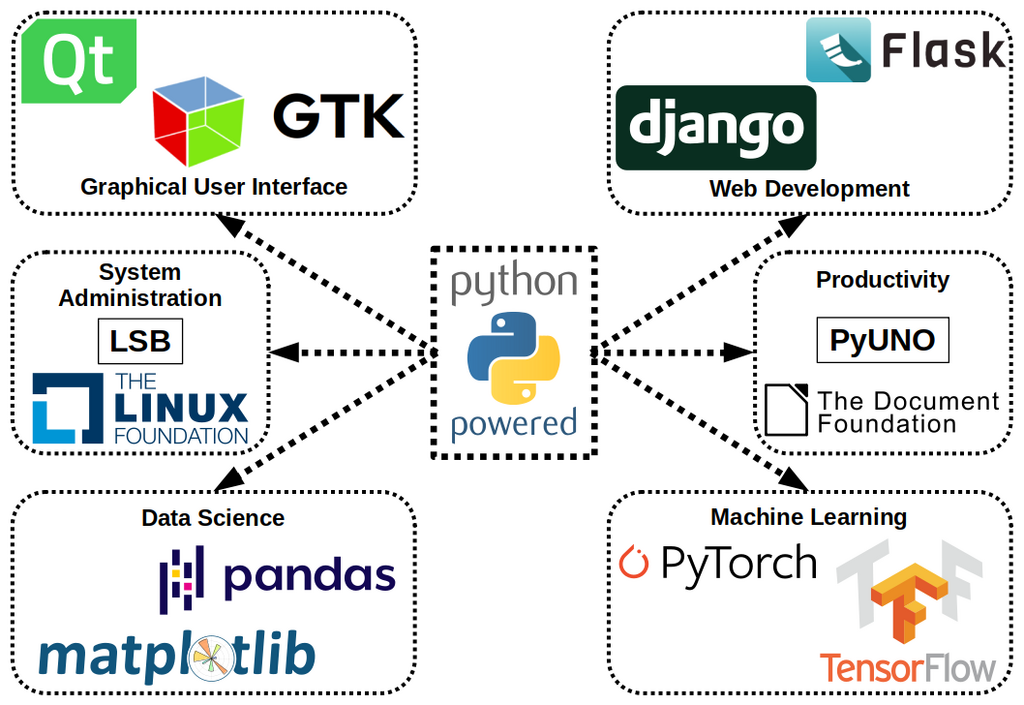
Some common applications include:
- Web Development: Building the server-side logic of websites and applications using frameworks like Django and Flask.
- Data Science & Machine Learning: Analyzing data, creating visualizations, and building predictive models. Libraries like Pandas, NumPy, and TensorFlow make these complex tasks much simpler.
- Automation & Scripting: Writing small programs (scripts) to automate repetitive tasks, like renaming files, sending emails, or scraping data from websites.
- Software Testing & Prototyping: Creating prototypes and testing software before it's fully developed.
Getting Your Tools Ready
To start writing Python, you need two things: the Python interpreter itself and a place to write your code. The interpreter is the program that understands and runs your Python code. You can download it for free from the official Python website.
While you can write code in a simple text editor, most developers use an Integrated Development Environment (IDE). An IDE is a software application that provides comprehensive facilities to programmers for software development. It's like a workshop for a coder, combining a text editor, a debugger (for finding mistakes), and other helpful tools in one place.
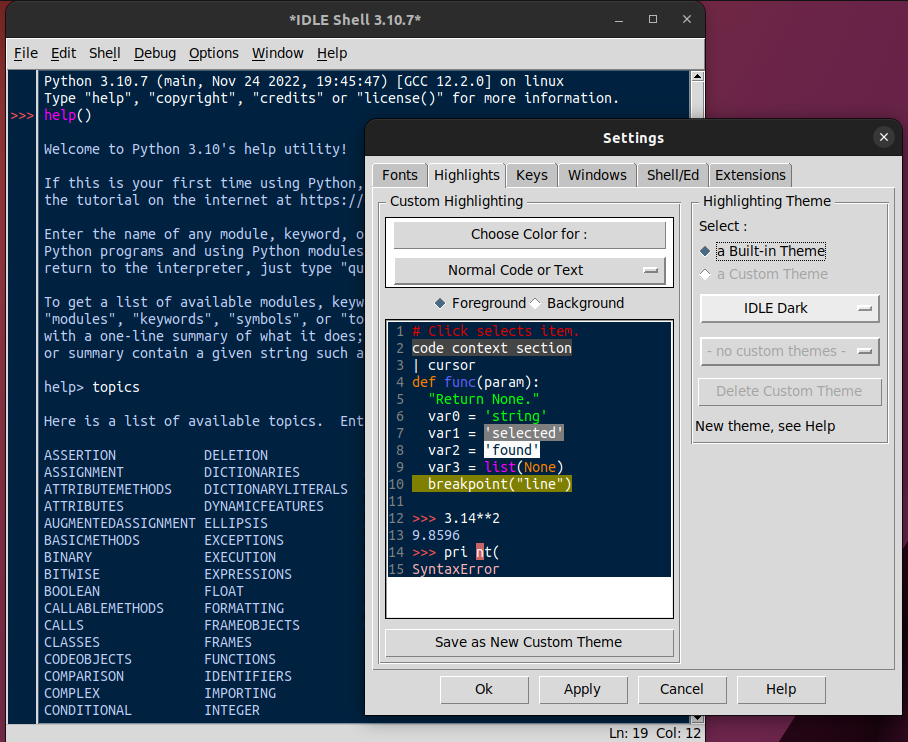
Popular IDEs for Python include Visual Studio Code, PyCharm, and the beginner-friendly IDLE, which comes with your Python installation.
Your First Lines of Code
Let's write a simple program. The traditional first program for any new language is one that prints "Hello, World!" to the screen. In Python, it's just one line. We use the print() function to display output.
print("Hello, World!")
To get information from a user, you can use the input() function. This function displays a prompt to the user and waits for them to type something and press Enter.
name = input("What is your name? ")
print("Hello, " + name)
As your code gets more complex, you'll want to leave notes for yourself or others to explain what's happening. These notes are called comments. The Python interpreter ignores them completely. To write a comment, you just start the line with a hash symbol (#).
# This is a comment. The program will ignore this line.

# Ask the user for their name and store it in the 'name' variable.
name = input("What is your name? ")

# Print a greeting to the user.
print("Hello, " + name)
Comments don't change how your program runs, but they make your code much easier to understand when you come back to it later.
What is a key aspect of Python's design philosophy?
Who is the creator of the Python programming language?
That's your first look at Python. You've learned what it is, what it's used for, and how to write a few basic lines of code. The journey has just begun!