Introduction to Python Programming
Introduction to Python
What Is Python?
Python is a programming language known for its readability. Its syntax is clean and straightforward, which makes it one of the easiest languages for beginners to pick up. Think of it as giving instructions to a computer in a way that’s closer to plain English than many other languages.
It was created in the late 1980s by Guido van Rossum, who wanted to build a language that was both powerful and fun to use. The name comes from the British comedy group Monty Python, not the snake.
Python's design philosophy emphasizes code clarity. This means you'll often write less code to get things done compared to languages like C++ or Java. This simplicity allows you to focus more on solving problems and less on wrestling with complex rules.
What Can You Do With Python?
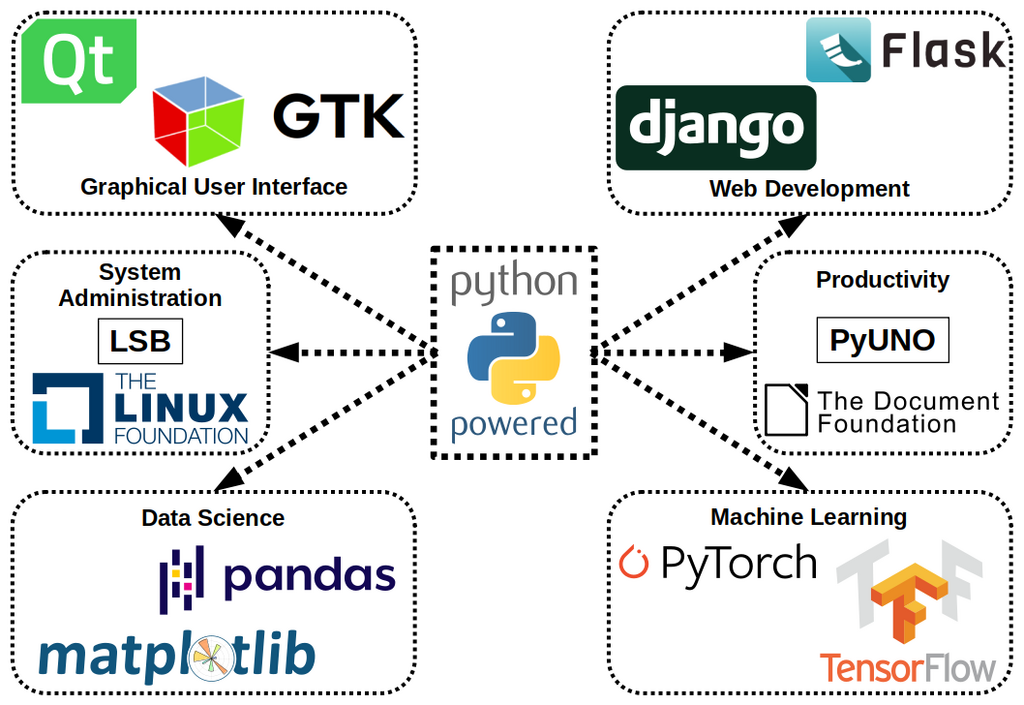
Python is incredibly versatile. It's not just a language for one specific task; it's a general-purpose tool used across many industries for a wide range of applications. Its popularity stems from a massive collection of pre-written code, called libraries, that help you tackle complex tasks without starting from scratch.
Some of the most common uses include:
- Web Development: Building the server-side logic of websites and applications with frameworks like Django and Flask.
- Data Science and Machine Learning: Analyzing data, creating visualizations, and building predictive models.
- Automation: Writing scripts to automate repetitive tasks, like organizing files or sending emails.
- Software Development: Creating desktop applications and games.
Getting Python on Your Computer
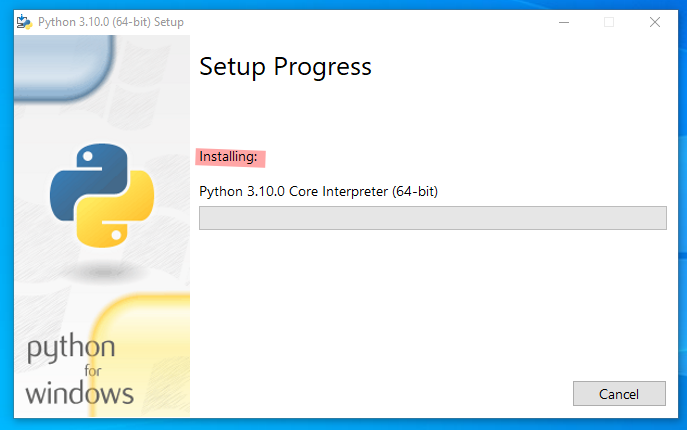
Before you can start coding, you need to install Python. The official source for Python is python.org, where you can download the latest version for free. The installation process is straightforward for all major operating systems.
Many macOS and Linux systems come with an older version of Python pre-installed. It's still a good idea to install the latest version from the official website to access new features and improvements.
Your First Coding Environment
While you can write Python code in a simple text editor, most developers use an Integrated Development Environment, or IDE. An IDE is a software application that combines a text editor with other helpful tools for programmers, like a debugger for finding errors and a shell for running code.
Think of an IDE as a fully equipped workshop. You could build a chair with just a saw and a hammer, but a workshop gives you a workbench, power tools, and measuring equipment that make the job much faster and easier.
For beginners, an IDE called Thonny is an excellent choice. It was designed specifically for learning and teaching programming. Its interface is clean and uncluttered, and it comes with Python built-in, so the setup is simple. It also has a great visual debugger that helps you see what your code is doing step-by-step.
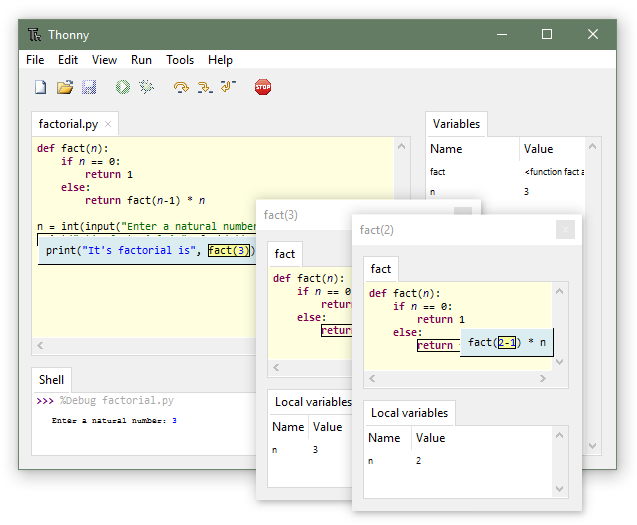
To get started, download Thonny from its official website, thonny.org, and run the installer. Once it's set up, you'll have a place to write, run, and experiment with your first Python programs.
What is the primary design philosophy behind the Python programming language?
The name 'Python' was inspired by the creator's love for a famous species of snake.