Introduction to Python Programming
Introduction to Python
What is Python?
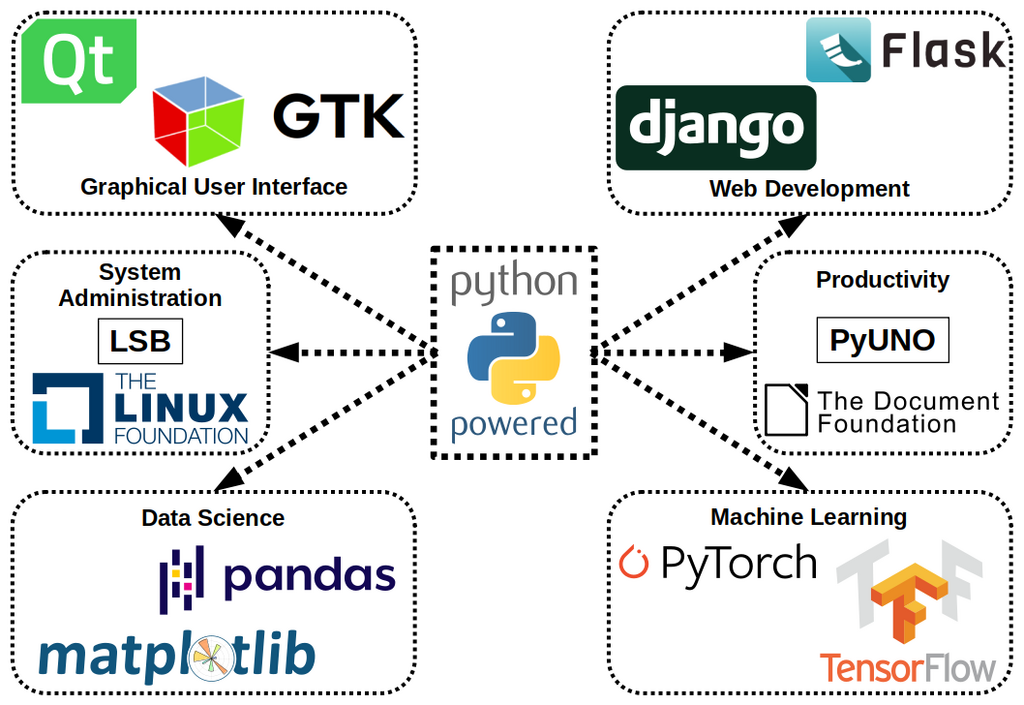
Python is a high-level, general-purpose programming language. Let's break that down. A "high-level" language is closer to human language, abstracting away the complex details of the computer's hardware. Think of it like giving a friend directions: you'd say "go to the store," not "lift your left foot, move it forward, put it down..." Python handles the nitty-gritty details for you.
"General-purpose" means you can use it for almost anything. From building websites and analyzing data to creating games and automating repetitive tasks, Python is a versatile tool. Its simple, clean syntax makes it a popular first choice for beginners, but it's also powerful enough for experts at large companies like Google and Netflix.
Python is a versatile, high-level programming language known for its readability and simplicity.
A Philosophy of Readability
Python's design emphasizes one core principle: code should be easy to read. Readable code is easier to understand, debug, and maintain. This philosophy is so central that it's even written down in a document called "The Zen of Python," which states, "Readability counts."
One of the most distinct features that enforces this is its use of indentation. While other languages use curly braces {} or keywords like end to show where a block of code begins and ends, Python uses whitespace. This forces every developer to structure their code in a clean and consistent way.
# In Python, indentation defines the block of code
# that runs if the condition is true.
age = 20
if age >= 18:
    print("You are an adult.") # This line is indented
    print("You can vote.")      # This line is also indented

print("This line runs no matter what.") # Not indented
This might seem strange at first, but it quickly becomes natural and leads to code that is visually clean and easy to follow.
Core Features
Python handles many complex tasks for you behind the scenes. Two important ones are dynamic typing and automatic memory management.
Dynamic Typing: In many languages, you must declare the type of a variable before you use it (e.g., this is a number, this is text). In Python, you don't. The interpreter figures out the type on its own when the code runs. This makes your code more concise and flexible.
# No need to specify the type of the variable
x = 10         # x is an integer
x = "Hello"  # Now, x is a string
Automatic Memory Management: You also don't have to worry about manually allocating and freeing up memory in your computer. Python's "garbage collector" automatically reclaims memory that's no longer in use, preventing common bugs and letting you focus on solving your problem.
Python also supports multiple ways of writing code, known as programming paradigms. You can write simple, step-by-step procedural code, organize it into reusable blueprints with object-oriented programming, or treat actions as mathematical transformations with functional programming. This flexibility allows you to choose the best approach for your task.
The Standard Library
One of Python's greatest strengths is its extensive standard library. It's a huge collection of pre-written code (called modules) that you can use right away without installing anything extra. This is often called a "batteries-included" philosophy.
Need to work with dates and times, read a file, or fetch data from the internet? There's a module for that. This built-in functionality helps you build applications quickly, as you don't have to write everything from scratch.
Getting Started
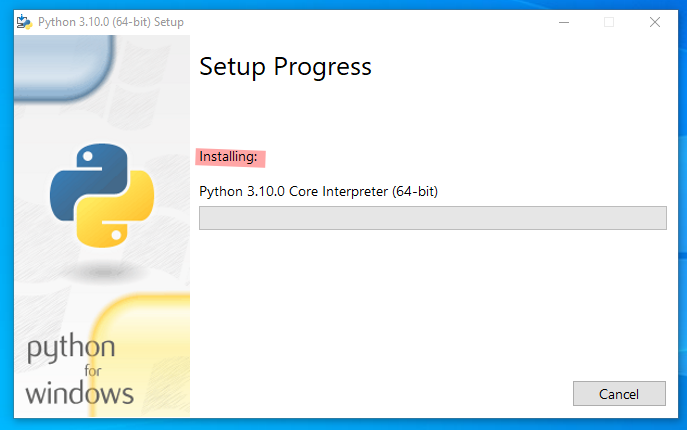
To start writing Python, you first need to install it. You can download the latest version from the official website, python.org. The installation is straightforward, but make sure to check the box that says "Add Python to PATH" on Windows. This allows you to run Python from your computer's command line.
Once Python is installed, you can write code in a simple text editor and run it from the command line. However, most developers use an Integrated Development Environment (IDE) or a dedicated code editor. These tools provide helpful features like syntax highlighting, which colors your code to make it more readable, and debugging tools to help you find errors.
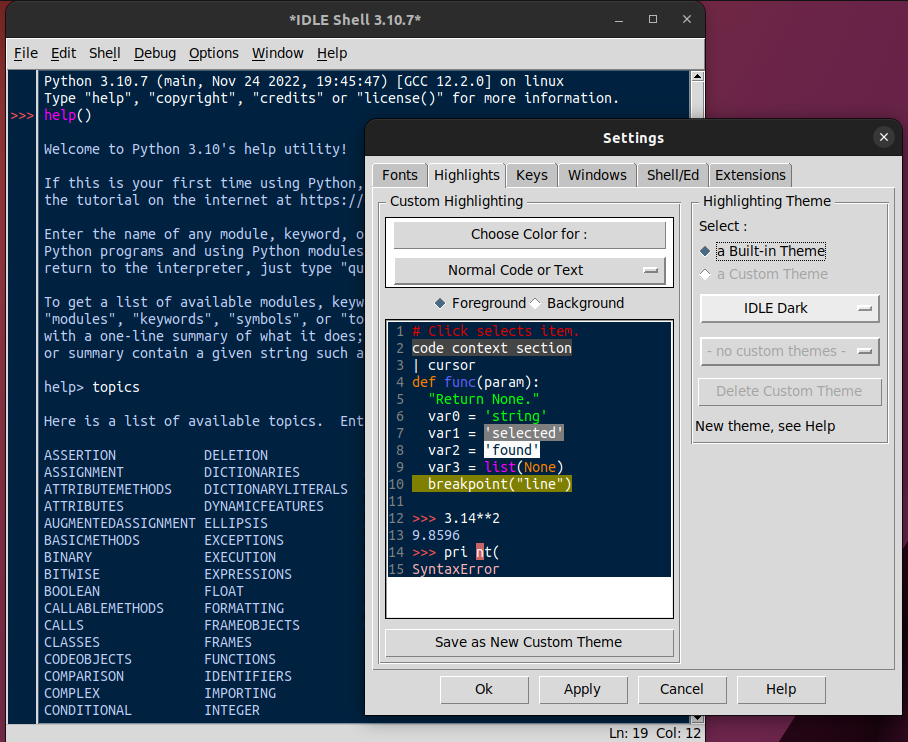
Popular choices for beginners include IDLE (which comes with Python), VS Code, PyCharm, and Sublime Text. For now, using IDLE is a perfect way to write your first few lines of code and see how it works.
Now that you have a basic understanding of what Python is and how to set it up, let's test your knowledge.