Introduction to Python Programming
Introduction to Python
What is Python?
Python is a high-level programming language known for its simple, readable syntax. Think of it less like a dense legal document and more like a clear set of instructions. This readability is intentional. It means you spend more time solving problems and less time wrestling with complicated code structure.
Its design philosophy emphasizes code clarity, and its syntax allows programmers to express concepts in fewer lines of code than would be possible in languages like C++ or Java. Because it's so versatile, you'll find Python powering a huge range of applications.
Python is used in web development, data science, machine learning, artificial intelligence, scientific computing, and simple task automation. It's the language behind parts of Instagram, Google, and Spotify.
Setting Up Your Workspace
Before you can write Python code, you need to install it on your computer. There are two major versions you might hear about: Python 2 and Python 3. For all new projects, you should use Python 3, as Python 2 is no longer supported.
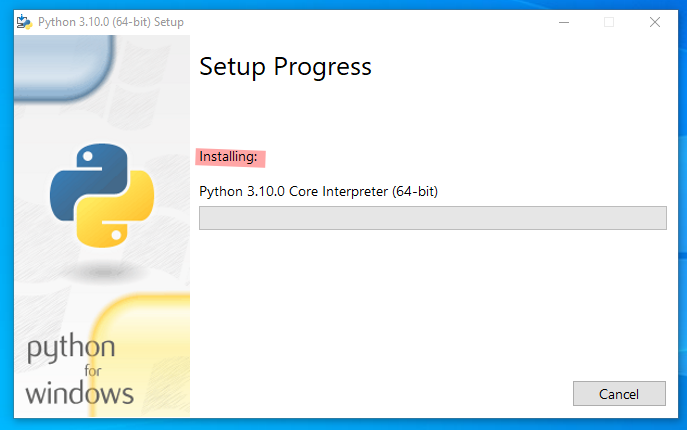
You can download the latest version of Python directly from the official website, python.org. The installation process is straightforward, but make sure to check the box that says "Add Python to PATH" during setup on Windows. This small step makes it much easier to run your code from the command line.
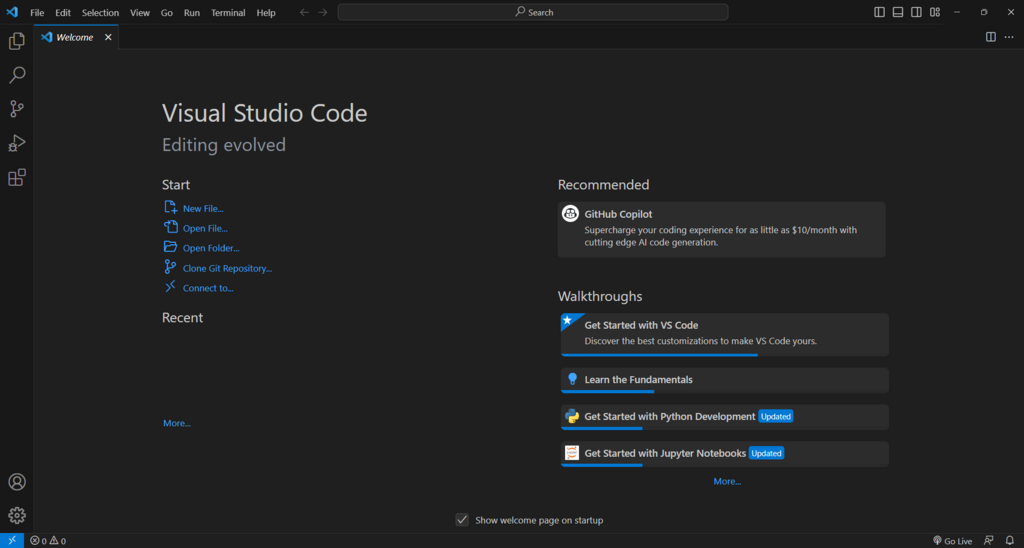
Once Python is installed, you need a place to write your code. You could use a simple text editor like Notepad, but most developers use an Integrated Development Environment, or IDE. An IDE is a software application that provides comprehensive facilities to programmers for software development. It's like a specialized workshop for a craftsman, equipped with all the necessary tools.
IDE
noun
An Integrated Development Environment is a software suite that consolidates the basic tools developers need to write and test software. It typically includes a code editor, a compiler or interpreter, and a debugger.
An IDE makes your life easier with features like syntax highlighting, which colors your code to make it more readable, and code completion, which suggests how to finish lines of code you're writing. Two popular IDEs for Python are Visual Studio Code (VS Code) and PyCharm.
| Feature | Visual Studio Code | PyCharm |
|---|---|---|
| Cost | Free, open-source | Free (Community) & Paid (Professional) |
| Developer | Microsoft | JetBrains |
| Key Strength | Highly customizable with extensions | Deeply integrated Python-specific features |
| Best For | General purpose, multi-language projects | Professional, Python-focused development |
For beginners, either one is a great choice. VS Code is a lightweight, powerful editor that you can customize for almost any language. PyCharm is built specifically for Python and offers many powerful features right out of the box.
Your First Python Script
Let's write your first program. It's a tradition in programming to start with a "Hello, World!" program, which simply prints that phrase to the screen. It's a simple way to confirm that your setup is working correctly.
Open your chosen IDE or text editor and create a new file. Type the following line of code into the file.
print("Hello, World!")
Now, save the file with a .py extension, for example, hello.py. The .py extension tells your computer that this is a Python file.
To run the script, you'll use the command line (also known as the terminal or shell). Open your terminal, navigate to the directory where you saved your file, and type the following command:
python hello.py
If everything is set up correctly, you'll see the text Hello, World! printed in the terminal. Congratulations, you've just written and executed your first Python program! This simple process of writing code in a file and running it from the terminal is the fundamental workflow for most Python development.
Now let's test your understanding of these initial concepts.
What is a key design philosophy of the Python programming language?
For a new project, which version of Python should you use?
You've taken the first crucial steps: understanding what Python is, setting up your environment, and running a basic script. You're now ready to explore the building blocks of the language.