Introduction to Python 3
Introduction to Python
What is Python?
Python is a high-level, general-purpose programming language. Let's break that down. "General-purpose" means you can use it for almost anything, from building websites to analyzing data to creating games. "High-level" means it's designed to be easy for humans to read and write. It handles a lot of the complex, behind-the-scenes computer operations for you, so you can focus on solving your problem.
Think of it like driving a car. In a modern car, you just press a pedal to accelerate. You don't need to know exactly how the engine mixes fuel and air. A low-level language would be like having to manage all those engine details yourself. Python is the modern car: powerful and straightforward.
Created in the late 1980s by Guido van Rossum, Python was named after the British comedy troupe Monty Python. Its design philosophy emphasizes code readability and a simple, clean syntax.
This philosophy is captured in a set of principles called the Zen of Python. One of its key ideas is that "Simple is better than complex." This focus on clarity makes Python a great first language for beginners and a productive tool for experts.
What Can You Do With It?
Python's versatility is one of its biggest strengths. It's like a multitool for programmers. Here are a few of the most popular areas where Python shines:
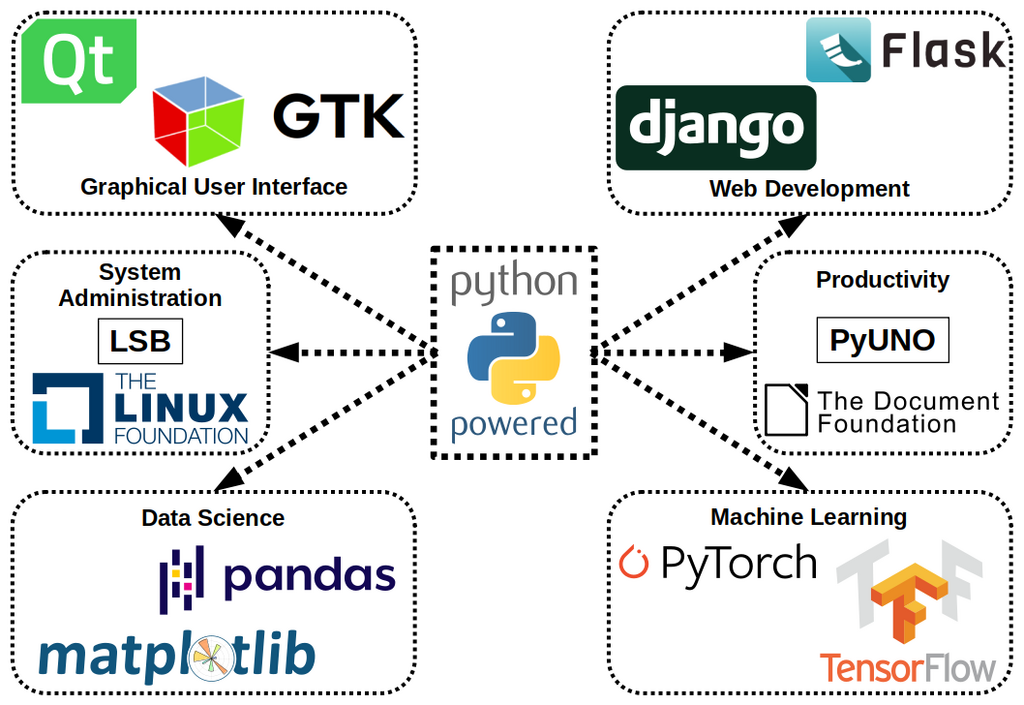
- Web Development: Frameworks like Django and Flask allow developers to build powerful web applications quickly.
- Data Science & Machine Learning: Libraries such as pandas, NumPy, and TensorFlow have made Python the top choice for analyzing data, visualizing information, and building artificial intelligence models.
- Automation: Python is excellent for writing scripts that automate repetitive tasks, like renaming files, sending emails, or scraping data from websites.
- Software Development: It's used to build desktop applications, games, and other software.
Getting Started
Ready to dive in? The first step is to install Python on your computer. We'll be using Python 3.14, the latest version. The official Python website is the best place to get it.
| Operating System | Installation Steps |
|---|---|
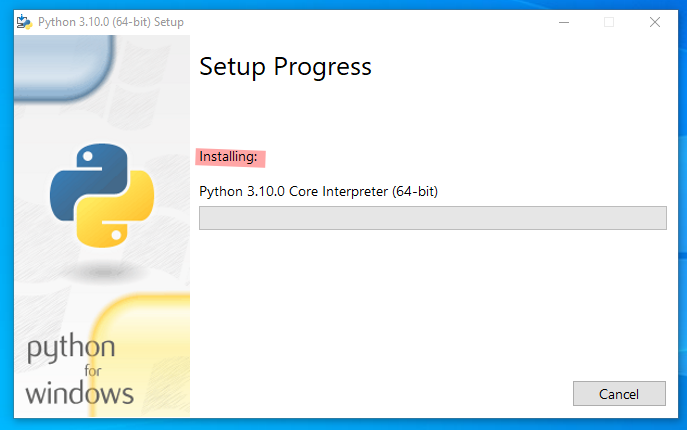
| Windows | 1. Go to python.org and download the installer. 2. Run the installer. 3. Important: Check the box that says "Add Python 3.14 to PATH". |
| macOS | 1. Go to python.org and download the macOS installer. 2. Run the package file and follow the on-screen instructions. |
| Linux | Most Linux distributions come with Python pre-installed. You can check your version by opening a terminal and typing python3 --version. If needed, you can use your distribution's package manager (like apt or yum) to install it. |
Once Python is installed, you need a place to write and run your code. This is called a development environment. Python comes with a simple, built-in environment called IDLE (Integrated Development and Learning Environment). It's perfect for beginners.
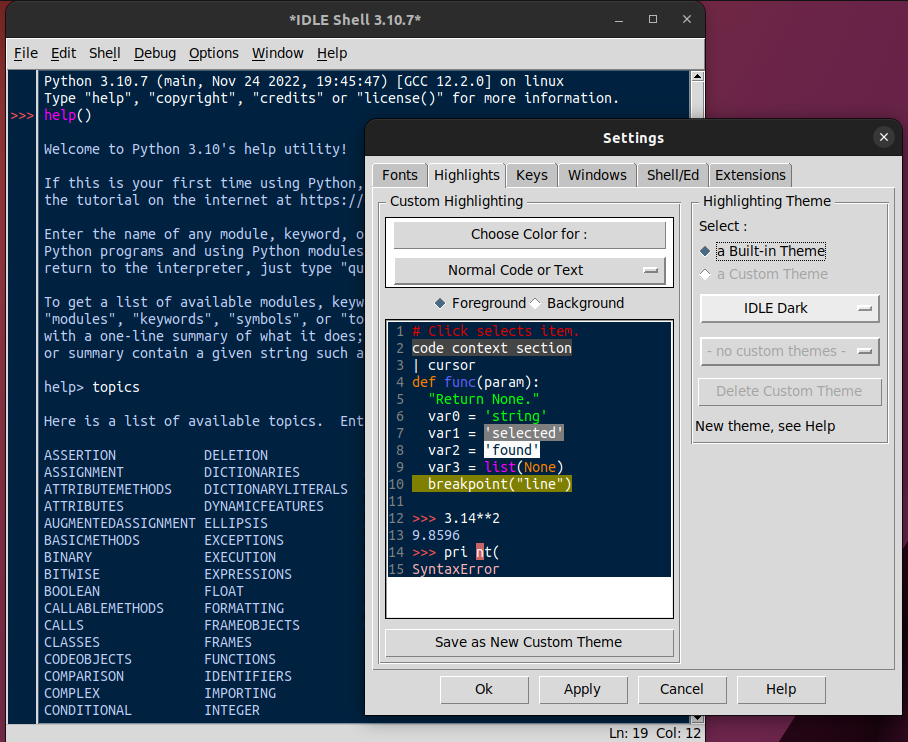
To open it, just search for "IDLE" on your computer. You'll see a window called the Python Shell. This is where you can run single lines of Python code. Let's try it.
print("Hello, World!")
Type that line into the shell and press Enter. You've just written and executed your first Python program! The print() function simply tells the computer to display whatever is inside the parentheses.
Let's check your understanding of these core concepts.
What does it mean for Python to be a "high-level" language?
Which of the following best illustrates Python's identity as a "general-purpose" language?
You've successfully installed Python, set up your environment, and run your first line of code. Now you're ready to start exploring the fundamental building blocks of the language.