Introduction to Programming
Introduction to Programming
What Is Programming?
At its core, programming is the process of giving a computer a set of instructions to perform a specific task. Think of it like writing a recipe. A recipe lists ingredients and step-by-step directions that, if followed precisely, result in a delicious cake. Similarly, a computer program lists commands that a computer follows to accomplish a goal, whether it's displaying a webpage, calculating a budget, or running a game.
These instructions are written by people called programmers using special languages that computers can understand. The result is software: the apps on your phone, the websites you visit, and the operating system running your device are all created through programming.
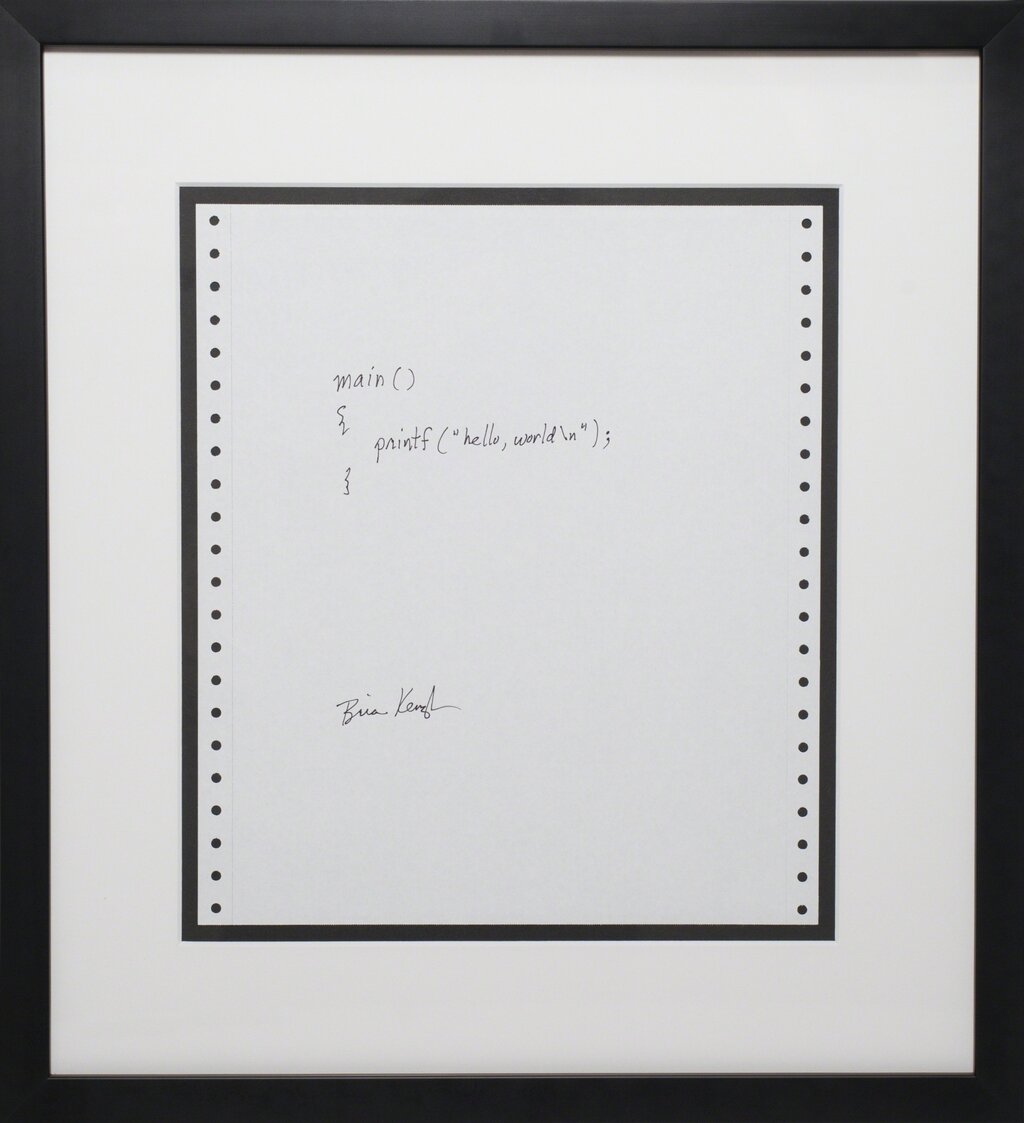
The Language of Computers
To get started, it helps to know a few key terms. These concepts are fundamental to all programming, regardless of the specific language you might learn later.
Algorithm
noun
A step-by-step procedure or formula for solving a problem or accomplishing a task.
An algorithm is the plan before the program. It's the logic behind the instructions. For instance, an algorithm for making a peanut butter and jelly sandwich would be:
- Get two slices of bread.
- Spread peanut butter on one slice.
- Spread jelly on the other slice.
- Press the slices together.
This is a simple, clear sequence of actions to achieve a result. Programming is largely about designing these logical sequences.
Syntax
noun
The set of rules that defines the combinations of symbols that are considered to be correctly structured statements or expressions in a language.
Syntax is the grammar of a programming language. Just as English has rules about sentence structure and punctuation, each programming language has strict rules about how to write commands. A misplaced comma or a misspelled word can confuse the computer and stop the program from working.
Bug
noun
An error, flaw, or fault in a computer program or system that causes it to produce an incorrect or unexpected result, or to behave in unintended ways.
When a program doesn't work as intended, it's often because of a bug. The process of finding and fixing these errors is called debugging. It's a normal and essential part of programming, like proofreading a paper to find typos.
Programming Everywhere
Programming is the engine driving the modern world. It's not just for building complex software in tech companies. It's a tool used across countless fields to solve problems and create new possibilities.
Here are just a few examples:
- Web Development: Every website you visit, from social media to online stores, is built with code. Programming handles everything from the layout of the page to processing your credit card information securely.
- Data Science: Scientists and analysts use programming to analyze vast amounts of data, identify trends, and make predictions about everything from weather patterns to stock market performance.
- Mobile Apps: The apps on your phone for navigation, banking, or entertainment are all standalone software programs designed specifically for mobile devices.
- Gaming: Video games, from simple mobile puzzles to massive online worlds, are some of the most complex pieces of software, all built with programming.
- Automation: Programming can automate repetitive tasks, saving time and reducing errors. This could be as simple as a script that renames a thousand files or as complex as robotic systems in a manufacturing plant.
Understanding the basics of programming opens up a new way of thinking logically and solving problems systematically. Before we test your knowledge, let's review the key terms we've learned.
Ready to check your understanding? Let's begin.
Based on the "recipe" analogy, what is the most accurate description of programming?
What is an algorithm in the context of programming?
That's a quick look at what programming is and why it matters. It’s a creative and logical skill that turns ideas into reality.