Introduction to Product Design
Introduction to Product Design
What Is Product Design?
Product design is the process of creating a new product that solves a problem or meets a need for a specific group of people. It’s much more than just making something look good. It's about understanding the user, identifying their challenges, and crafting a solution that is both effective and enjoyable to use.
Think of it as the bridge between an idea and a finished product in the hands of a user. Designers are responsible for the entire experience, from the first time someone hears about a product to the moment they use it to accomplish a goal. This involves research, brainstorming, creating prototypes, and testing with real people to make sure the final product works well.
Product design is the process of identifying a market opportunity, clearly defining the problem, developing a proper solution for that problem and validating the solution with real users.
This process is a blend of art, science, and business. It requires creativity to imagine new solutions, analytical thinking to understand user data and technical limits, and strategic thinking to ensure the product is successful in the market.
Why Design Matters
Good product design is crucial because it directly impacts how people experience and perceive a product. A well-designed product is intuitive and easy to use, which leads to satisfied users who are more likely to become loyal customers. In a competitive market, a superior design can be the key differentiator that makes a product stand out.
On the other hand, poor design can lead to frustration, confusion, and abandonment. If a user can’t figure out how to use an app, or if a physical product is uncomfortable to hold, they’ll simply look for a better alternative. Effective design isn't just a finishing touch; it's a core part of the product development lifecycle that drives user adoption and business growth.
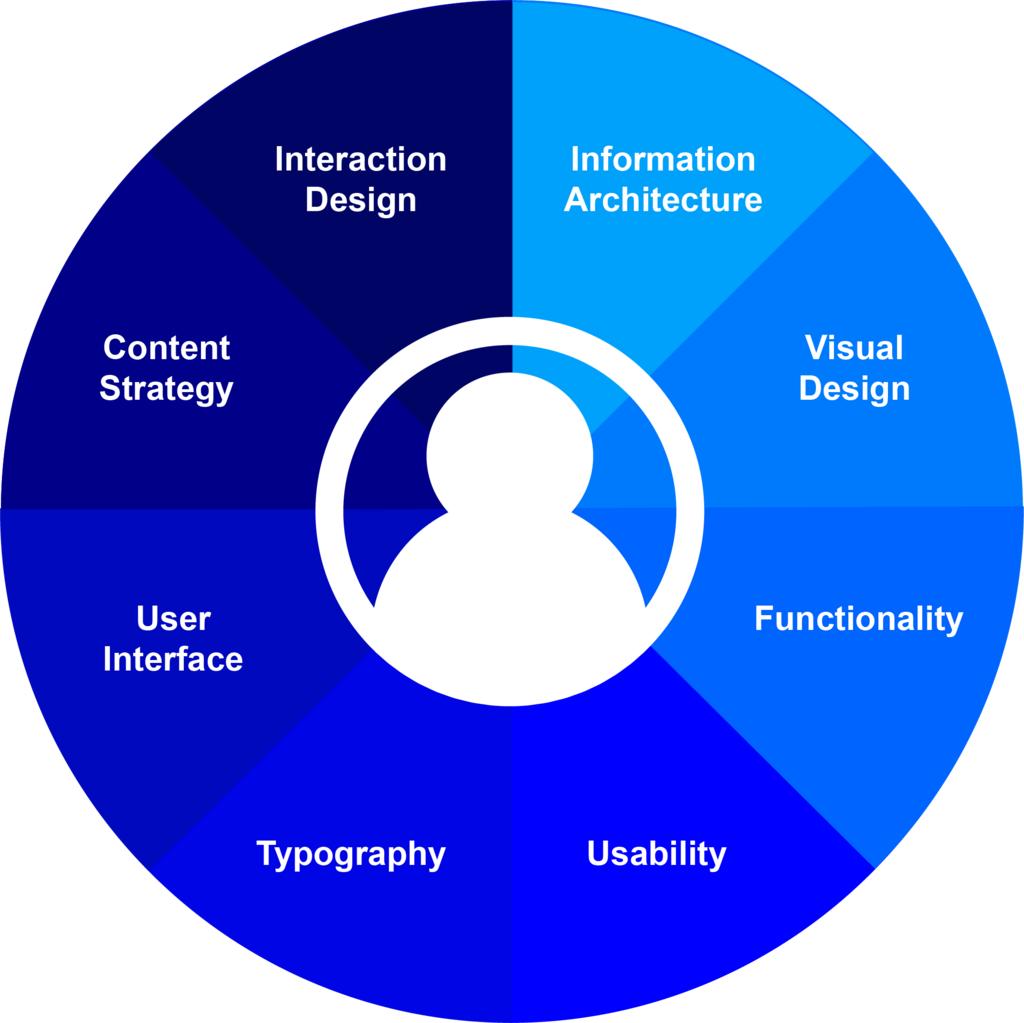
Principles of Good Design
While every product is unique, the best ones share a foundation of solid design principles. These guidelines help designers create solutions that are not only beautiful but also effective and responsible.
User-Centered Design This is the most important principle. It means putting the user's needs, wants, and limitations at the center of the entire design process. Designers strive to build empathy with their users to create products that genuinely improve their lives.
To be user-centered, a designer must ask questions like: Who am I designing for? What problems are they facing? In what context will they use this product? The answers guide every decision, from the overall concept down to the color of a button.
Functionality A product must work. It has to reliably perform the task it was created for. A weather app that doesn't show the correct temperature is a failure, no matter how beautiful its interface is. Functionality is the non-negotiable foundation of a product's value.
Usability
noun
The ease with which a user can interact with a product or service to achieve a specific goal.
Usability is about making a product effortless and intuitive. Can a new user pick it up and immediately understand how to use it? How many steps does it take to complete a task? Good usability reduces friction and makes the experience feel smooth and satisfying.
Aesthetics This refers to the look and feel of a product. While functionality is critical, aesthetics play a huge role in a user's perception of quality and their emotional connection to a product. A visually pleasing design can build trust and make the product more enjoyable to use. It’s not just decoration; it's a form of communication that can guide the user and reinforce the brand's identity.
Sustainability Modern product design also considers the environmental and social impact of a product throughout its entire lifecycle. This involves choosing sustainable materials, designing for durability and repairability, and considering what happens at the end of the product's life. Responsible design aims to create solutions that are good for people and the planet.
What is the primary goal of product design?
A well-designed product that is intuitive and easy to use directly contributes to...
These core principles provide a framework for making thoughtful and effective design decisions.