Introduction to Piano Playing
Introduction to the Piano
Meet the Piano
The piano is an instrument of immense range and expression. It can whisper a gentle melody or roar with the power of an orchestra. At its heart, it's a stringed instrument, but instead of plucking or bowing, you play it by striking keys. This simple action is the start of a rich musical journey.
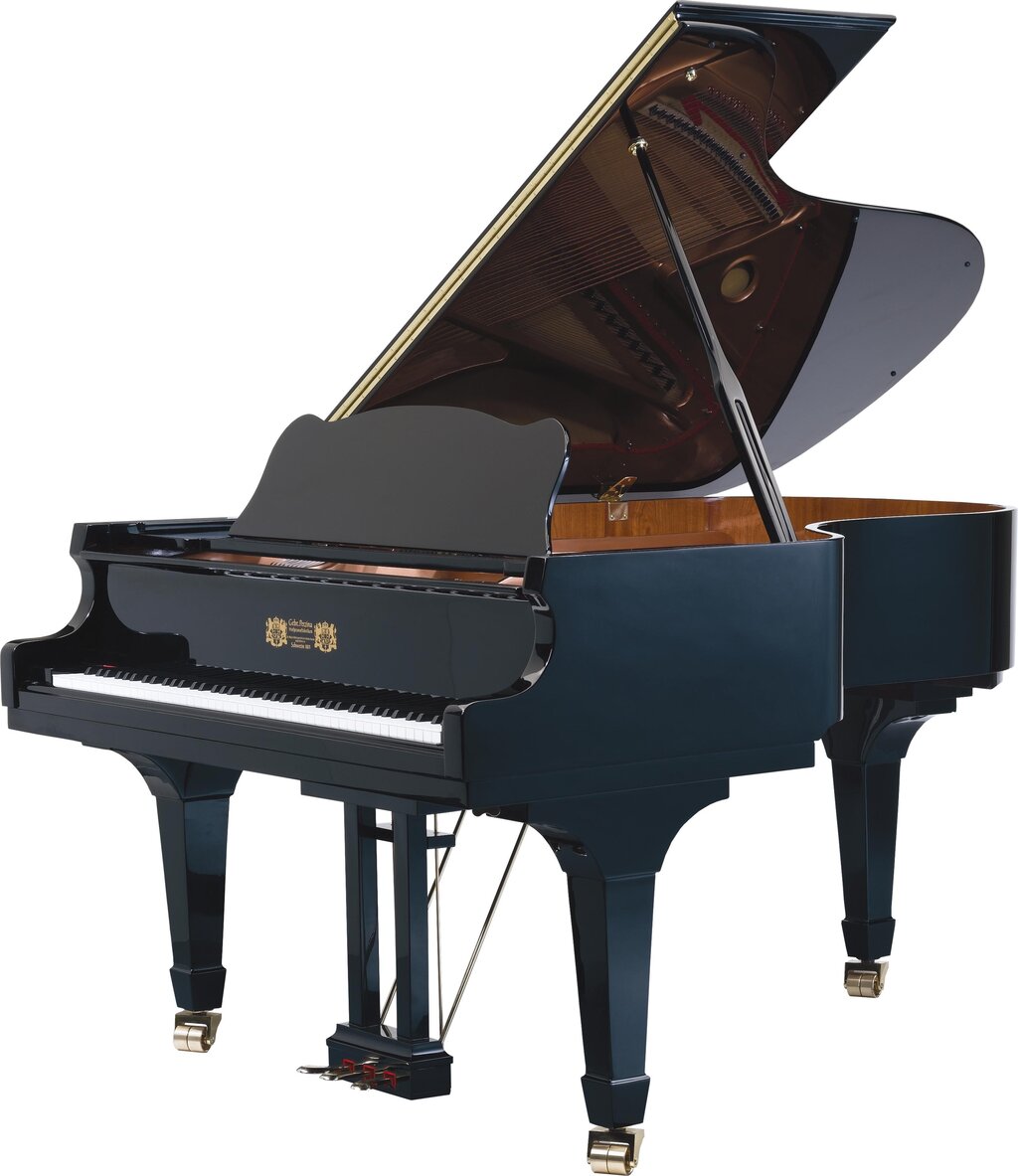
The piano is a relatively modern invention. Around the year 1700, an Italian instrument maker named Bartolomeo Cristofori wanted to create a keyboard instrument that could play both soft and loud. Existing instruments like the harpsichord couldn't do this; they plucked strings at a fixed volume. Cristofori's new creation used hammers to strike the strings, giving the player control over the dynamics. He called it the gravicembalo col piano e forte, which means "harpsichord with soft and loud." Over time, this was shortened to simply "piano."
What It's Made Of
A piano might look like a simple wooden box with keys, but inside it's a complex machine. Let's look at the main components you'll interact with.
Keyboard
noun
A set of keys laid out in a specific pattern that, when pressed, cause the instrument to produce sound.
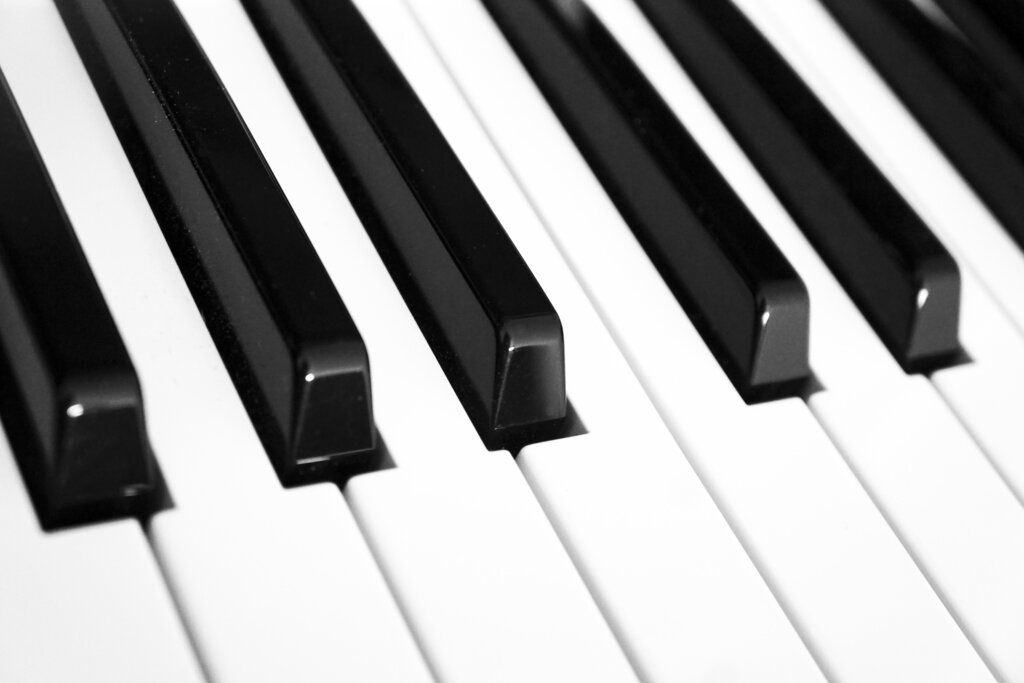
The keyboard is your primary interface with the piano. It's a row of black and white keys. Pressing a key activates a mechanism that makes a sound. A standard modern piano has 88 keys: 52 white and 36 black.
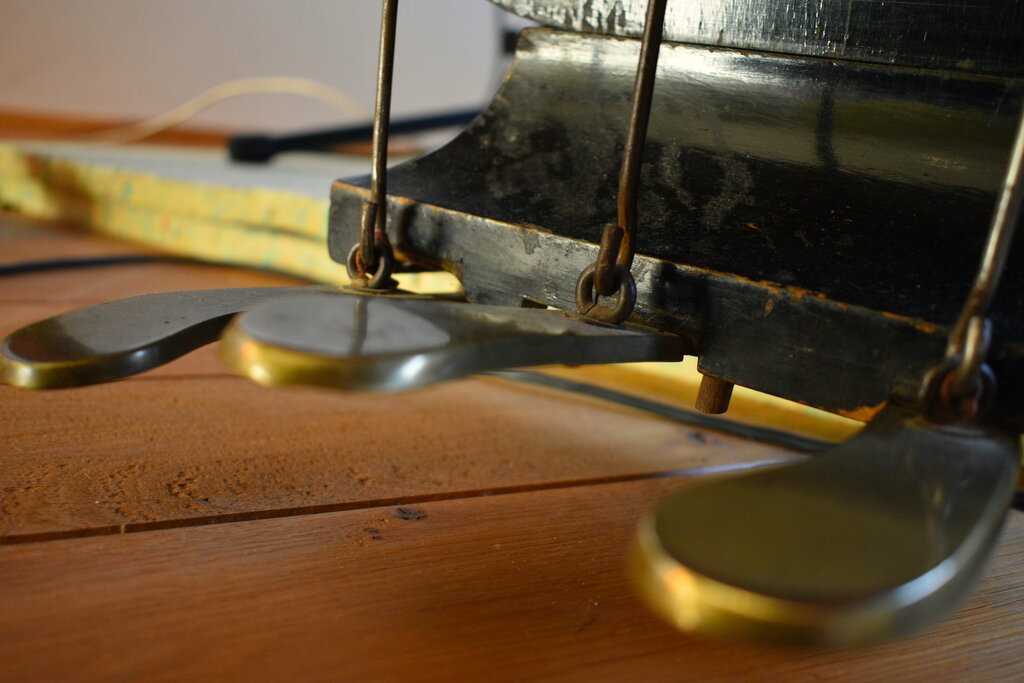
Down below, you'll find the pedals. Most pianos have three. The most commonly used is the one on the right, the sustain pedal (or damper pedal), which allows notes to ring out even after you've lifted your fingers. The pedal on the left is the soft pedal, which quiets the sound. The middle pedal, the sostenuto pedal, has a more specialized function, sustaining only the notes that are held down when the pedal is pressed.
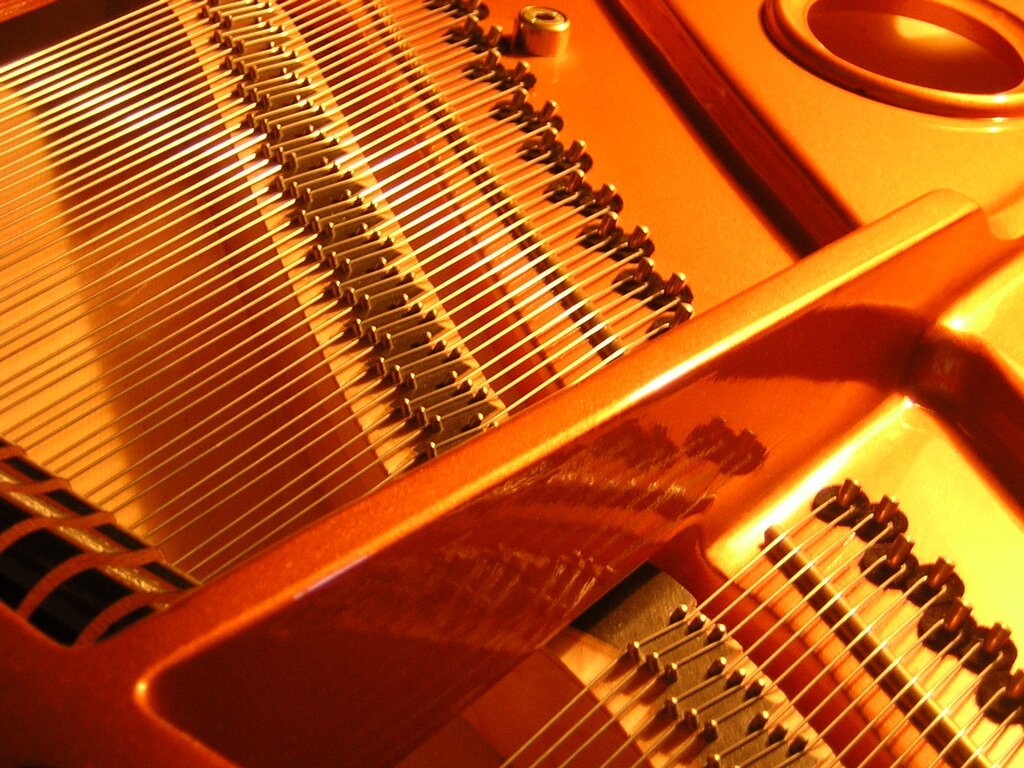
So what happens when you press a key? Inside the piano, a felt-tipped hammer strikes a set of metal strings. The strings vibrate, and that vibration is the sound you hear. Each key is connected to its own hammer. The thick, long strings on the left produce low-pitched sounds, while the thin, short strings on the right produce high-pitched sounds.
The Lay of the Land
The keyboard might look intimidating, but it's based on a simple, repeating pattern. The notes are named after the first seven letters of the alphabet: A, B, C, D, E, F, and G. Once you get to G, the pattern starts over with the next A.
The black keys help you navigate this pattern. Notice how they are arranged in groups of two and three. This visual cue is your map to the keyboard.
The white key just to the left of any group of two black keys is always a C. The white key to the left of any group of three black keys is always an F.
To find any note, first find a C. Then, just count up the musical alphabet: C, D, E, F, G, A, B, and then the next C.
The most important reference point on the piano is Middle C. It's the C located closest to the center of the keyboard. On many pianos, it's directly in front of the brand name printed on the instrument. This note serves as a starting point for finding all other notes. As you move your hands to the right from Middle C, the notes get higher in pitch. As you move to the left, they get lower.
Ready to check your understanding? Let's try a few questions.
What was the primary innovation of Bartolomeo Cristofori's piano compared to earlier keyboard instruments like the harpsichord?
How does a piano produce sound when a key is pressed?
Now you have a basic map of the piano. You know its history, its parts, and how to find your way around the keys. This is the foundation for everything that comes next.