Introduction to Mechanical Engineering
Introduction to Mechanical Engineering
The Engine of Everything
Look around you. The chair you're sitting in, the device you're reading this on, the vehicle that might take you home later—all of them exist because of mechanical engineering. It’s one of the oldest and broadest engineering fields, focused on designing, building, and maintaining the objects and systems that make the modern world move.
Mechanical engineering is one of the oldest and broadest engineering disciplines.
At its heart, mechanical engineering is about taking scientific principles and turning them into useful things. It's the practical application of motion, energy, and force. From the tiniest gears in a watch to the massive turbines in a power plant, if something moves or uses energy, a mechanical engineer probably had a hand in its creation.
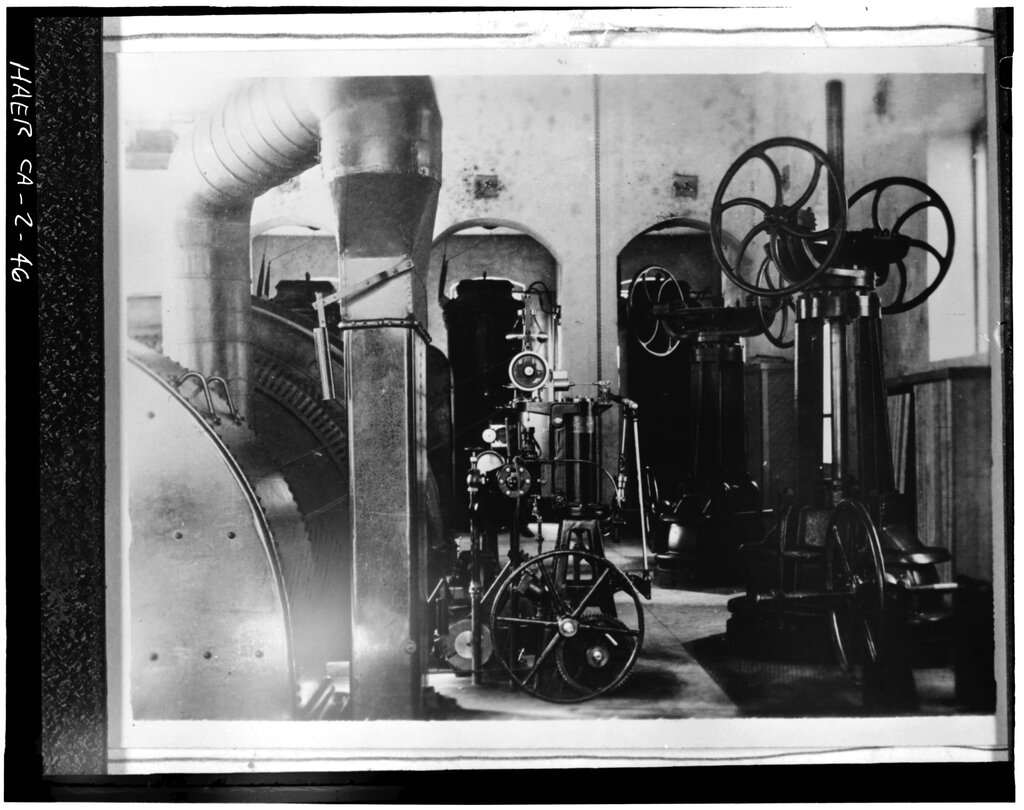
The field has a rich history, stretching from ancient inventors like Archimedes to the innovators of the Industrial Revolution who harnessed steam power. Early engineers created simple machines—levers, pulleys, and screws—that magnified human strength. The development of the steam engine in the 18th century supercharged this progress, leading to factories, railways, and a completely new way of life. Today's mechanical engineers build on that legacy, using advanced tools and computers to design everything from advanced robotics to sustainable energy solutions.
The Core Disciplines
Mechanical engineering stands on four main pillars. Understanding these core areas is key to grasping what the field is all about.
1. Mechanics: This is the study of forces and motion. It's broken down into statics (how forces affect stationary objects) and dynamics (how forces affect moving objects). Mechanics helps an engineer ensure a bridge can support its own weight and the traffic on it, or calculate the trajectory of a satellite.
Essentially, if it moves or is held in place, mechanics explains how and why.
2. Thermodynamics: This area deals with energy, particularly heat energy, and its conversion to other forms. Engineers use thermodynamics to design more efficient engines, refrigerators, and power plants. It’s the science behind how your car's engine converts the chemical energy in fuel into the mechanical energy that turns the wheels.
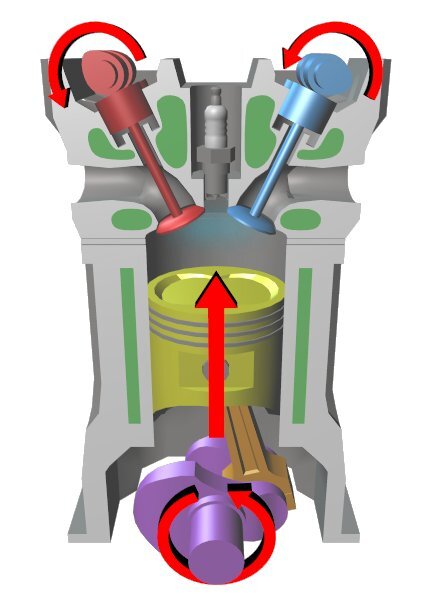
3. Materials Science: You can't build something without knowing what to build it with. Materials science is the study of the properties of different materials—like metals, plastics, and composites—and how they behave under stress and different conditions. An engineer uses this knowledge to select the perfect lightweight material for an airplane wing or a durable alloy for a surgical implant.
4. Design and Manufacturing: This is where everything comes together. Design is the process of taking an idea and turning it into a detailed plan, or blueprint. It involves creating models, often with computer-aided design (CAD) software, and figuring out the best way to make the final product. Manufacturing is the process of actually building it, whether it's a single custom part or millions of identical items on an assembly line.
The Modern Engineer's Role
So what does a mechanical engineer do all day? Their responsibilities are incredibly varied, but they generally revolve around a cycle of problem-solving and creation.
A typical project might involve:
- Researching a problem to understand the needs and constraints.
- Brainstorming and developing different concepts for a solution.
- Analyzing the design using mathematical principles and computer simulations to test its strength, efficiency, and safety.
- Building prototypes to test the design in the real world.
- Overseeing manufacturing to ensure the product is built to specification.
This process applies to a huge range of industries. Mechanical engineers work in aerospace, designing planes and spacecraft. They are in the automotive industry creating more efficient and safer cars. They work in energy, developing wind turbines and solar power systems. They're also in manufacturing, robotics, biotechnology, and even consumer electronics.
| Industry | Example Contribution of a Mechanical Engineer |
|---|---|
| Aerospace | Designing lightweight fuselage components for an airplane. |
| Automotive | Developing a more efficient hybrid engine system. |
| Energy | Creating more effective blade designs for wind turbines. |
| Robotics | Building the robotic arm for an automated assembly line. |
| Biomedical | Designing a new prosthetic limb with better range of motion. |
| Consumer Goods | Engineering the cooling fan system for a new laptop. |
Ultimately, a mechanical engineer is a problem-solver who uses the fundamental laws of science to create the physical tools and systems that shape our lives.
What is the core focus of mechanical engineering?
An engineer selecting a lightweight yet strong composite for an airplane wing is primarily working within which pillar of mechanical engineering?