Introduction to Generative AI
Introduction to Generative AI
What is Generative AI?
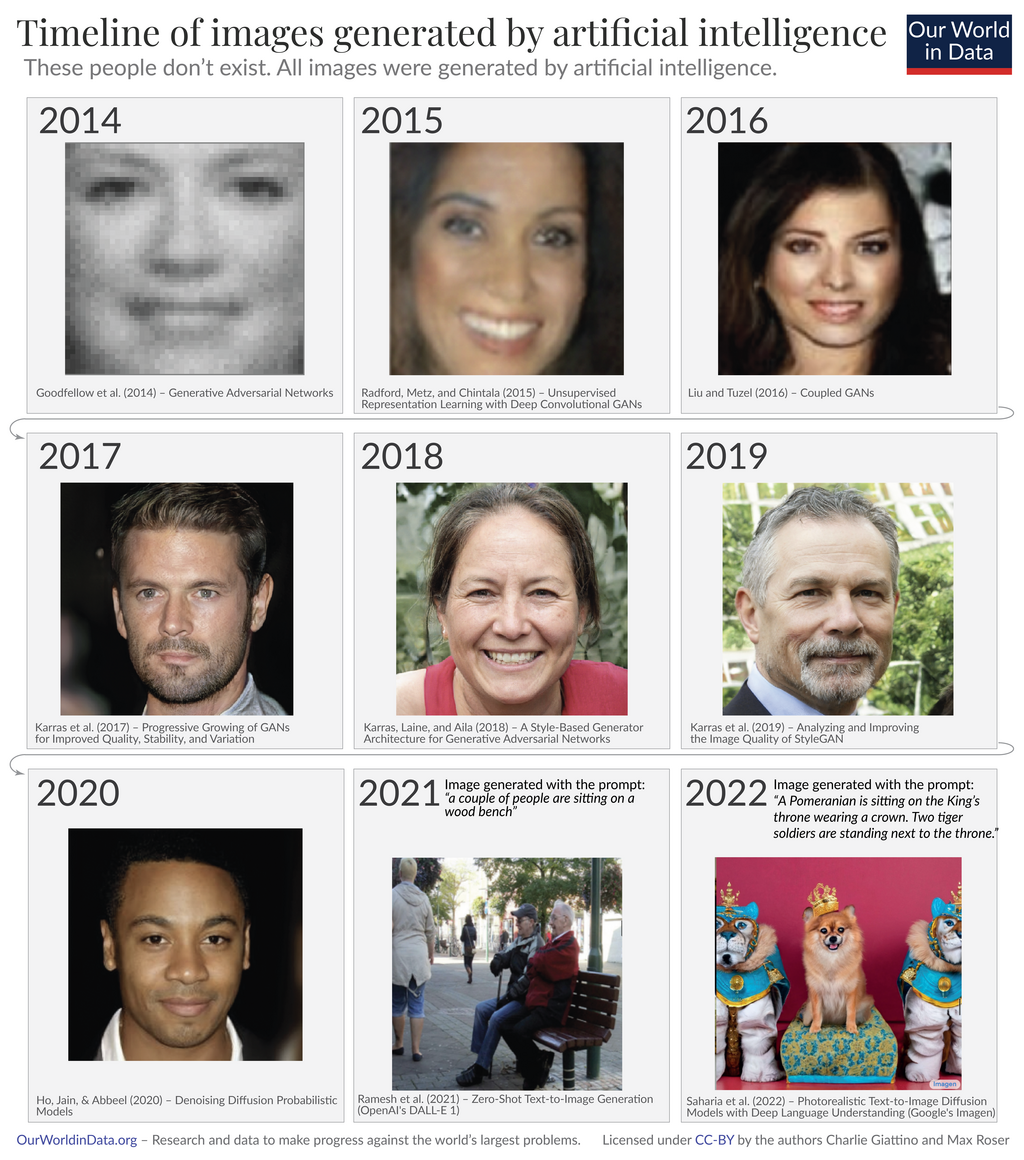
Artificial intelligence isn't just about analyzing data anymore. A specialized branch of AI, known as Generative AI, focuses on creating something entirely new. Instead of just recognizing patterns, it uses those patterns to generate original content. This could be anything from writing an email, composing a piece of music, or creating a realistic image of a person who doesn't exist.
Generative AI is a subfield of artificial intelligence focused on creating new content such as text, images, audio, video, or code by learning patterns and structures from large datasets.
Think of it like a student artist. They don't just stare at paintings; they study the brushstrokes of Monet and the colors of van Gogh. After analyzing thousands of works, they don't just copy them. Instead, they use that learned knowledge to create a brand-new painting in a style that's uniquely their own. Generative AI works in a similar way, learning from vast amounts of data to produce novel outputs.
A Brief History
The idea of machines that can create isn't new, but for a long time, it was mostly science fiction. Early attempts in the mid-20th century resulted in simple, rule-based systems that could generate text or music, but the results were often clunky and predictable.
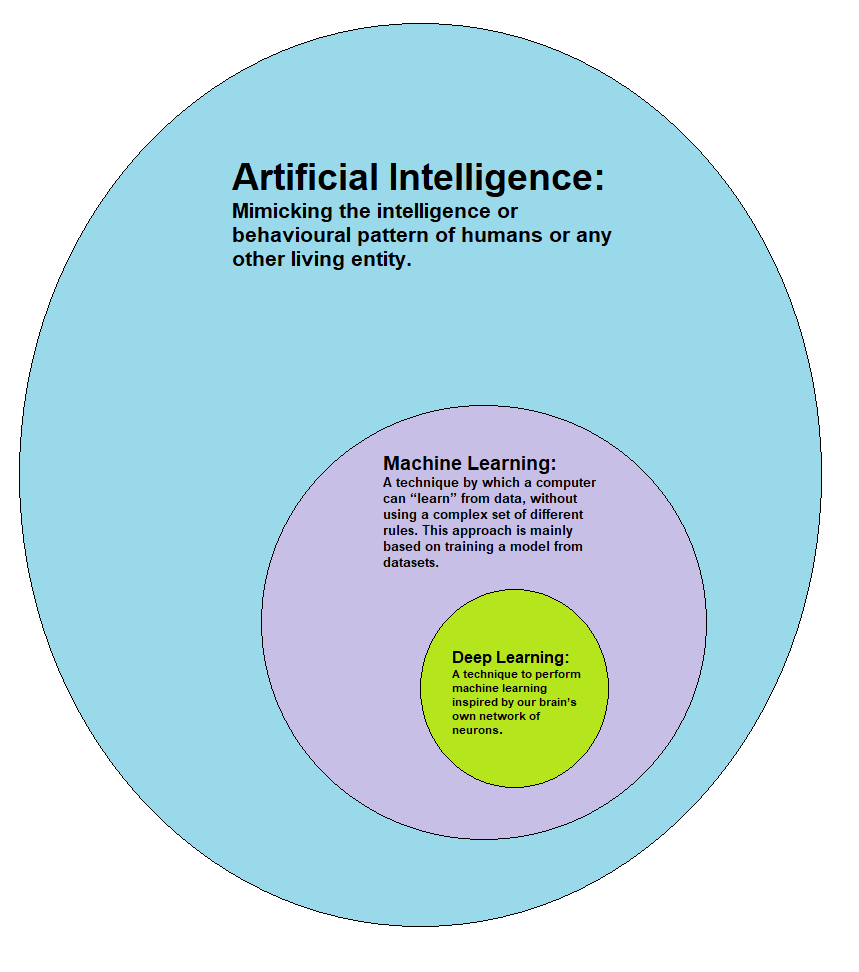
The real breakthrough came with the rise of deep learning and neural networks, which are complex systems inspired by the human brain. Combined with the explosion of available data from the internet and massive increases in computing power, these models became much more sophisticated. They could learn subtle patterns and nuances from data, leading to the powerful generative tools we see today.
How Does It Learn?
At its core, a generative model is a learner. It's trained on a massive dataset—for example, a text-based model might be fed a huge portion of the internet, including books, articles, and websites. During this training process, the model isn't memorizing the information. Instead, it's learning the underlying structures, relationships, and probabilities. It learns grammar, facts, conversational styles, and even how to reason.
Once trained, the model can use this learned knowledge to respond to a prompt. When you ask it a question, it predicts the most likely sequence of words to form a coherent and relevant answer. It's not pulling a pre-written answer from a database; it's generating the text word by word, based on its statistical understanding of the language.
Generative AI in the Wild
Generative AI is no longer a futuristic concept; it's already being used in many industries.
In entertainment, it's used to create special effects for movies, generate concept art for video games, and even compose soundtracks. Artists and musicians use it as a collaborative tool to spark new ideas.
In healthcare, researchers use generative models to design new drugs and proteins, potentially speeding up the discovery of new medicines. These models can also create synthetic medical data for training other AI systems without compromising patient privacy.
Finance companies use generative models to create synthetic financial data to test trading strategies and for fraud detection. By generating realistic but fake transaction data, they can train systems to spot unusual activity more effectively.
As these tools become more powerful and accessible, we're likely to see them integrated into even more aspects of our daily lives and work. Now, let's review what we've learned.
Ready to check your understanding?
What is the primary function of Generative AI, distinguishing it from other types of AI?
According to the analogy in the text, how is a generative model similar to a student artist?
Generative AI represents a major shift in what's possible with artificial intelligence, moving from analysis to creation. Understanding its basic principles is the first step in appreciating its transformative potential.