Introduction to Forex Trading
Forex Market Basics
What Is the Forex Market?
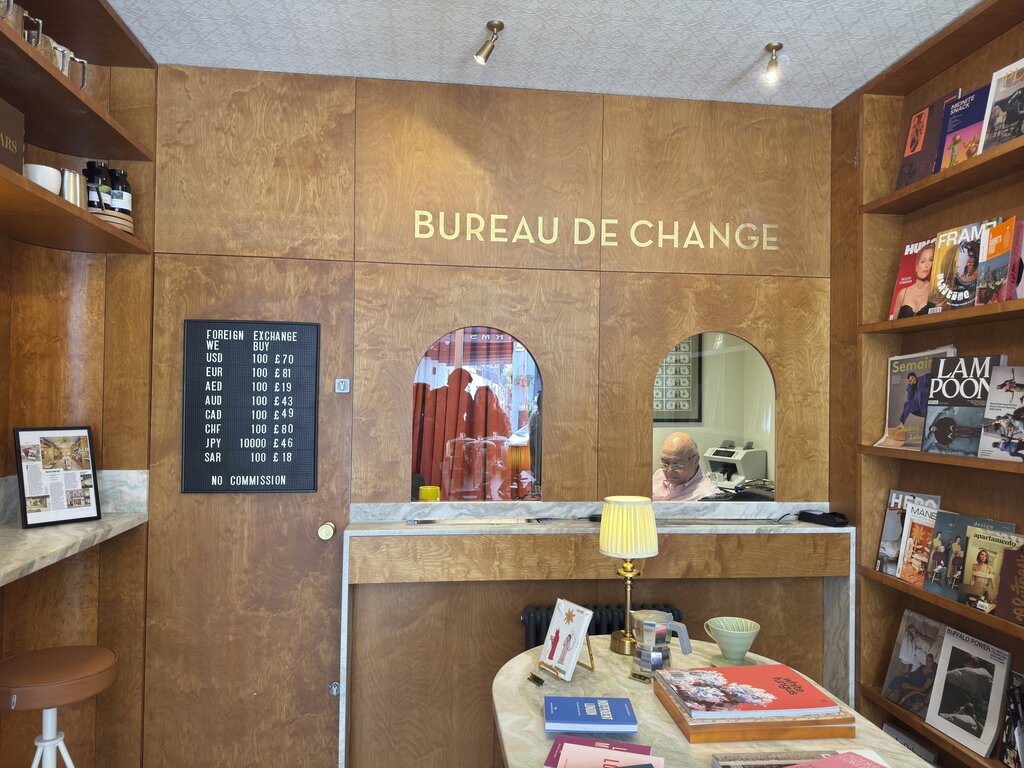
The foreign exchange market, or Forex (FX), is the world’s largest financial market. It’s a global, decentralized marketplace where currencies are traded. Think of it like a massive, constantly running currency exchange booth for the entire planet.
Its main purpose is to make international trade and investment possible. If a company in the United States wants to buy goods from Japan, it can't pay in U.S. dollars. It needs to exchange its dollars for Japanese yen. The Forex market is where that exchange happens. Millions of these transactions occur every day, involving governments, banks, corporations, and individuals.
Who Trades Currencies?
The Forex market isn't just one type of trader. It's a complex ecosystem with several key participants, each with different motivations.
| Participant | Primary Role |
|---|---|
| Central Banks | Manage their country's currency, money supply, and interest rates. They hold foreign currency reserves. |
| Commercial Banks | Facilitate currency transactions for their clients and also trade for their own profit. They are the backbone of the market. |
| Institutional Investors | Large-scale investors like hedge funds and asset management firms. They trade to speculate or to hedge foreign investments. |
| Retail Traders | Individuals who trade their own money, hoping to profit from currency fluctuations. |
These players range from massive institutions moving billions of dollars to individuals trading much smaller amounts. Together, their actions create the constant movement we see in currency values.
A Market Without a Home
Unlike a stock exchange, the Forex market has no central location. It’s an “over-the-counter” (OTC) market, which means trading happens directly between two parties, facilitated by a vast electronic network of banks, corporations, and individuals.
This decentralized structure allows it to operate 24 hours a day, five days a week. The market opens in Sydney, then moves to Tokyo, London, and finally New York as the business day begins in each financial center. It truly is a market that never sleeps.
The Language of Forex
To understand Forex, you need to know its basic vocabulary. These terms are the building blocks for every trade.
Bid Price
noun
The price at which a dealer is willing to buy a currency from you. When you sell, you get the bid price.
Ask Price
noun
The price at which a dealer is willing to sell a currency to you. When you buy, you pay the ask price. The ask price is always slightly higher than the bid price.
The difference between these two prices is known as the spread. It's how brokers and dealers make their money.
Spread = Ask Price - Bid Price
Currency price movements are measured in tiny increments called pips.
Pip
noun
Short for 'percentage in point,' it's the smallest standard unit of change in a currency pair's exchange rate. For most pairs, it's the fourth decimal place (0.0001).
Finally, trades are executed in standardized quantities called lots. This helps maintain order in the market.
Lot
noun
A unit of measurement for a transaction size. A standard lot is 100,000 units of the base currency, but smaller lot sizes (mini, micro) are also common.
Understanding these core ideas provides the foundation for exploring the world of currency trading.
Ready to check your understanding of these fundamental concepts?
What best describes the structure of the Forex (FX) market?
What is the primary purpose of the foreign exchange market?