Introduction to Data Science
Introduction to Data Science
What Is Data Science?
Data science is the art of asking questions and finding answers in data. It’s a field that combines programming skills, knowledge of math and statistics, and expertise in a specific subject area to uncover hidden patterns and insights. Think of it as being a detective, a scientist, and a storyteller all at once.
Data Science is an interdisciplinary field that uses various techniques from statistics, mathematics, computer science, and domain-specific knowledge to extract insights from vast amounts of data.
At its core, data science is about making sense of the enormous amount of information generated every day. By understanding data, we can make better decisions, whether that's a business deciding which products to recommend, a doctor predicting disease outbreaks, or a city planning more efficient bus routes.
The Data Science Lifecycle
Solving problems with data isn't a single step, but a cyclical process. This journey from a raw question to a clear answer is often called the data science lifecycle. While the exact steps can vary, they generally follow a standard path.
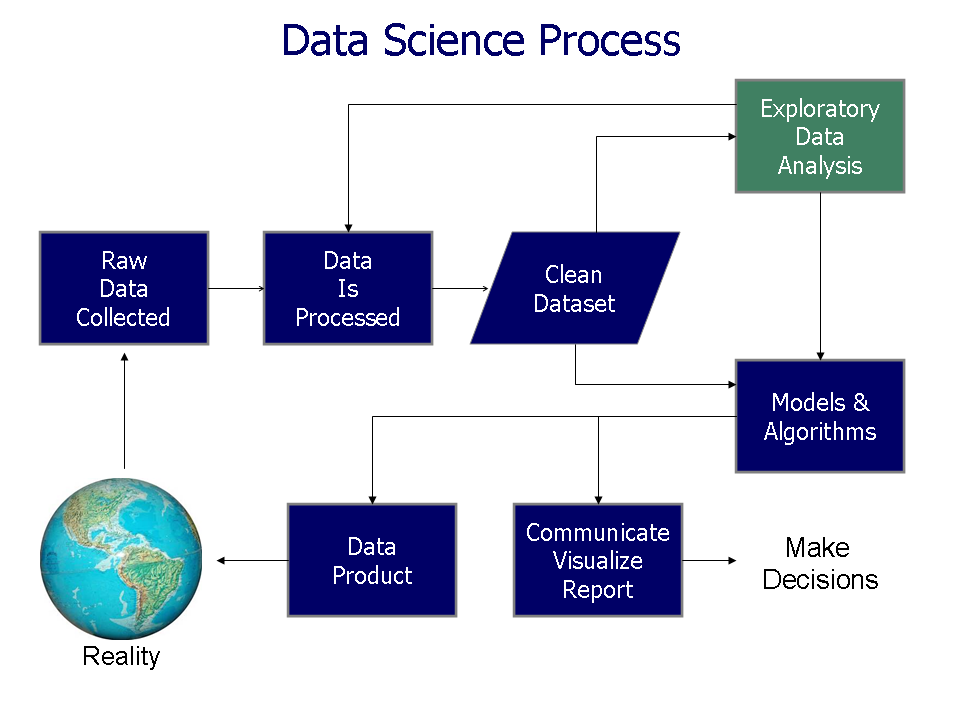
1. Problem Definition Everything starts with a question. What are we trying to figure out? A good problem is specific and measurable. Instead of asking, "How can we increase sales?" a data scientist might ask, "Which marketing channel brought in the most customers last quarter for under $50 per customer?"
2. Data Collection Once we know the question, we need data to answer it. This can come from anywhere: customer surveys, website clicks, sales records, social media, or public databases. The key is to find reliable sources that are relevant to the problem.
3. Data Preparation Raw data is rarely perfect. It might have missing values, duplicates, or typos. Data preparation, often called data cleaning, is the process of tidying up the dataset. This is often the most time-consuming part of the lifecycle, but it's critical. Working with messy data leads to wrong answers.
4. Data Analysis This is the discovery phase. Using statistics and visualization tools, data scientists explore the cleaned data to find trends, patterns, and relationships. It’s like searching for clues that help solve the mystery defined in the first step. This stage is where insights begin to emerge.
5. Data Reporting Finding an answer isn't enough. The final step is to communicate the findings to others in a way they can understand. This often involves creating charts, dashboards, and reports that tell a clear story. The goal is to present the insights in a way that helps people make informed decisions.
The Data Science Team
Data science is a team sport. While one person might have a range of skills, complex projects often require specialists who focus on different parts of the lifecycle. Three common roles are the data analyst, the data engineer, and the data scientist.
| Role | Primary Focus | Key Responsibilities |
|---|---|---|
| Data Analyst | Analyzing historical data | Creates dashboards and reports, answers business questions, communicates what has happened. |
| Data Engineer | Building data infrastructure | Designs, builds, and maintains the systems that collect and store data. Ensures data is available and reliable. |
| Data Scientist | Predicting future outcomes | Cleans data, performs complex analysis, and builds machine learning models to make predictions. |
A data analyst might tell you what happened last month. A data engineer makes sure the analyst has the clean data they need. A data scientist uses that data to predict what might happen next month.
Now, let's test your understanding of these foundational concepts.
What is the primary goal of data science?
Which phase of the data science lifecycle typically consumes the most time?
Understanding these core ideas provides a solid foundation for exploring the tools and techniques that bring data to life.