Introduction to Data Analytics
Introduction to Data Analytics
Turning Data Into Decisions
Every day, we create a massive amount of data. Every online purchase, social media post, and even your daily commute generates information. On its own, this raw data is just a jumble of numbers and text. Data analytics is the process of taking that jumble and turning it into something useful.
Think of a data analyst as a detective. The raw data provides the clues, and the analyst's job is to piece them together to solve a puzzle or answer an important question.
Why is this so important? Because it helps people and companies make smarter choices. Instead of guessing what customers want, a business can look at sales data to see what's popular. Instead of wondering why a website isn't getting visitors, they can analyze user behavior to find the problem. Data analytics replaces guesswork with evidence.
The Analytics Process
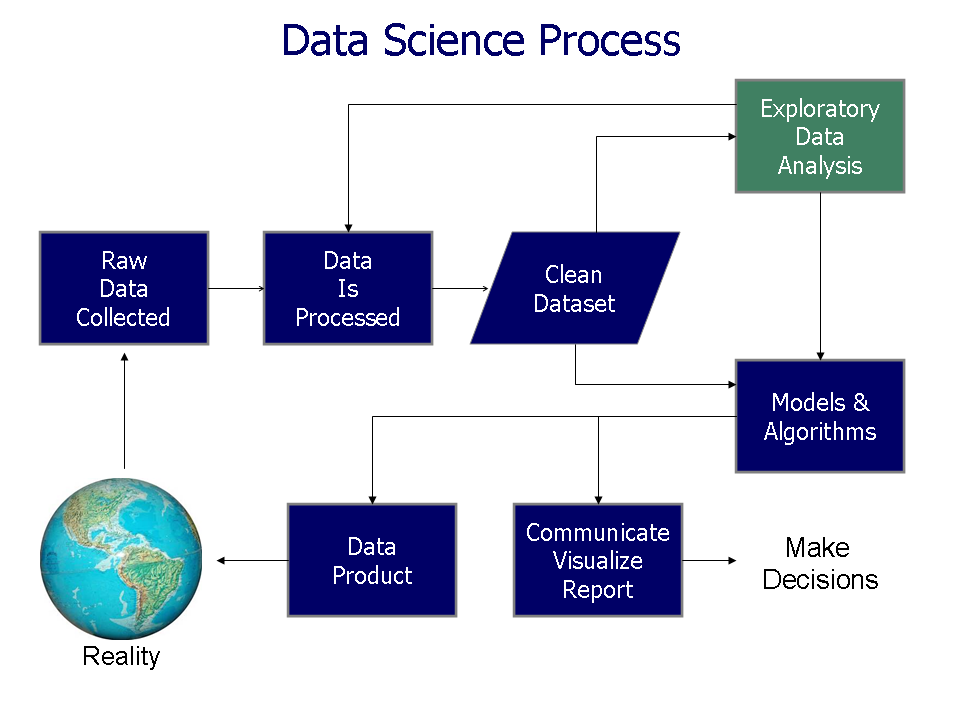
Going from raw data to a clear insight follows a structured path. While the specific tools can get complicated, the overall process is straightforward and logical.
First is Data Collection, which is exactly what it sounds like: gathering the raw information from various sources. This could be anything from customer surveys to website traffic logs.
Next comes Data Cleaning. Raw data is often messy. It might have typos, missing values, or inconsistencies (like listing a country as both "USA" and "United States"). Cleaning involves tidying up the data to make it accurate and reliable.
Then we have Data Analysis. This is the core of the process, where analysts use various techniques to examine the clean data. They look for patterns, correlations, and trends that might not be obvious at first glance.
Finally, there's Interpretation and Visualization. Finding a pattern is one thing, but understanding what it means and explaining it to others is another. This step involves figuring out the story the data is telling and presenting it in a clear, digestible way, often using charts and graphs.
Data in the Real World
Data analytics isn't just a theoretical concept; it's used everywhere.
- Retail: Online stores like Amazon analyze your browsing and purchase history to recommend products you might like. This personalization is driven entirely by data.
- Healthcare: Hospitals can analyze patient data to predict which patients are at a higher risk for certain diseases, allowing for preventative care. Public health officials use data to track and predict the spread of viruses.
- Finance: Banks use analytics to detect fraudulent transactions in real-time. By identifying spending patterns that are out of the ordinary, they can flag suspicious activity and protect customer accounts.
- Entertainment: Streaming services like Netflix analyze viewing data to decide which new shows and movies to produce. They know what kinds of stories and genres are popular with their audience because the data tells them.
In each case, data provides the foundation for making a decision, whether it's recommending a product, preventing a disease, or creating a hit TV show.
Now, let's test your understanding of these foundational concepts.
What is the primary goal of data analytics?
Which of the following correctly lists the steps of the data analytics process in the right order?
Understanding this process is the first step into the world of data. It's about learning how to ask the right questions and find the answers hidden within the numbers.