Introduction to Data Analytics
Introduction to Data Analytics
What Is Data Analytics?
Data analytics is the science of examining raw data to draw conclusions about that information. Think of it as a detective for numbers and text. Instead of solving crimes, it uncovers trends, patterns, and insights that would otherwise stay hidden. This process helps businesses and organizations make smarter, more informed decisions.
The primary goal of data analytics is to help individuals or organizations to make informed decisions based on patterns, behaviors, trends, preferences, or any type of meaningful data extracted from a collection of data.
Imagine a coffee shop owner who wants to know the most popular drink. By analyzing sales data, they can see that lattes are bestsellers on weekday mornings, while cold brew is more popular on hot weekend afternoons. Armed with this insight, they can adjust their inventory and staffing to better serve customers and increase profits. That's data analytics in action. It transforms raw numbers into a clear story that can guide strategy.
The Types of Data
Data comes in all shapes and sizes. To analyze it effectively, we first need to understand its form. Generally, data falls into three main categories.
Structured Data: This is data that's highly organized and formatted in a way that's easy to search and analyze. It fits neatly into rows and columns, like a well-kept spreadsheet. Examples include customer lists, sales transactions, and stock information.
Next, we have the opposite.
Unstructured Data: This data has no predefined format or organization, making it more difficult to process. It includes things like emails, social media posts, videos, and audio files. While messy, this data often contains rich insights into customer opinions and behavior.
Finally, there's a middle ground.
Semi-structured Data: This data doesn't fit into a rigid database but contains tags or markers to separate semantic elements. Think of emails, which have defined fields like sender, recipient, and subject, but the body of the message is unstructured. Files like JSON or XML are common examples.
| Type | Organization | Examples |
|---|---|---|
| Structured | High | Spreadsheets, Databases |
| Unstructured | None | Emails, Videos, Social Posts |
| Semi-structured | Some | JSON files, XML files |
The Challenge of Big Data
The world creates a staggering amount of data every second. This flood of information is often called "big data." But it's not just about the size. Big data is typically defined by four key characteristics, known as the four V's.
Handling data with these characteristics requires powerful tools and a structured approach. You can't just open a massive, fast-moving, and messy dataset in a simple spreadsheet.
The Data Analytics Process
To make sense of data, analysts follow a structured lifecycle. While the specific tools might change, the core stages of the process remain consistent. It’s a journey from raw, chaotic data to clear, actionable insight.
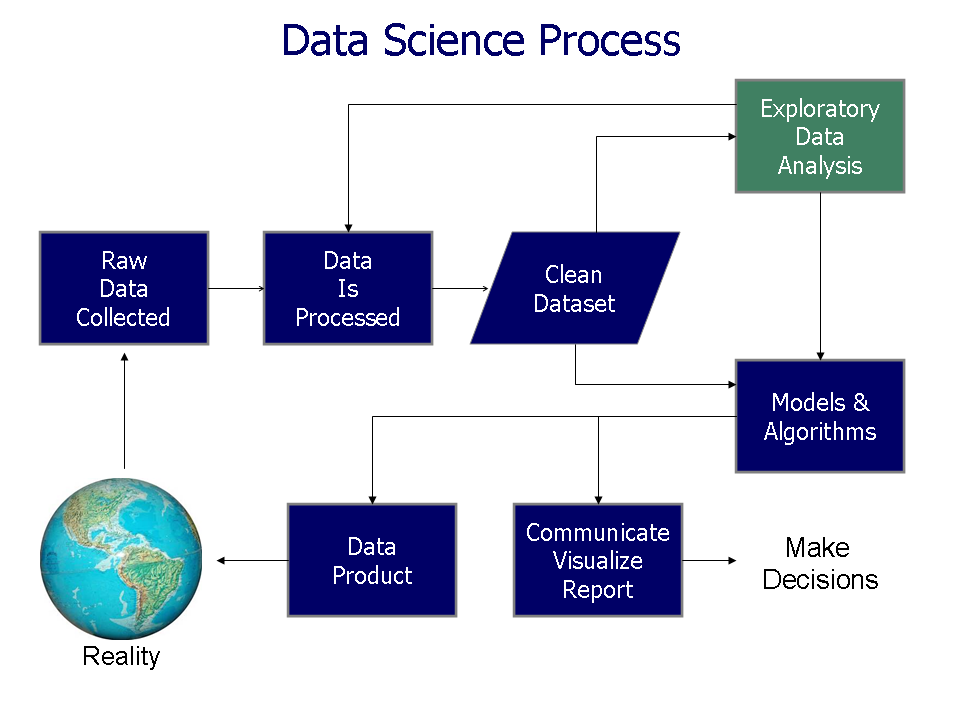
The key stages include:
-
Data Collection: This is the starting point. Data is gathered from various sources, such as databases, sensors, user surveys, or websites.
-
Data Preprocessing: Raw data is often messy. This stage involves cleaning it up by removing errors, handling missing values, and transforming it into a usable format. It's a critical step that ensures the quality of the analysis.
-
Data Storage: Once cleaned, the data needs a home. It's stored in systems like data warehouses or data lakes, which are designed to handle large volumes of information efficiently.
-
Data Analysis: Here's where the discovery happens. Analysts use statistical methods and algorithms to explore the data, identify patterns, and test hypotheses.
-
Visualization and Interpretation: The findings are translated into visual formats like charts, graphs, and dashboards. This makes it much easier for people to understand the results and make decisions based on the insights uncovered.
Now, let's test your understanding of these fundamental concepts.
What is the primary goal of data analytics?
In the data analytics lifecycle, what is the main purpose of the "Data Preprocessing" stage?
Understanding these core ideas provides a solid foundation. The journey of data analytics is about asking the right questions, finding the stories hidden within the data, and using those stories to make better choices.