Introduction to Data Analysis
Introduction to Data Analysis
What Is Data Analysis?
Data analysis is the process of inspecting, cleaning, and organizing raw data to uncover useful information and support decision-making. Think of it like being a detective. A detective gathers clues, sorts through them to see what's important, finds patterns, and then draws a conclusion to solve the case. Data analysts do the same thing, but their clues are numbers, text, and other forms of information.
At its core, data analysis is about answering questions. A business might ask, "Which of our products is most popular with customers under 30?" A city planner might wonder, "Which intersections have the most accidents?" A doctor might want to know, "Which treatment is most effective for a particular illness?" Instead of guessing, we can look at the data to find answers based on evidence.
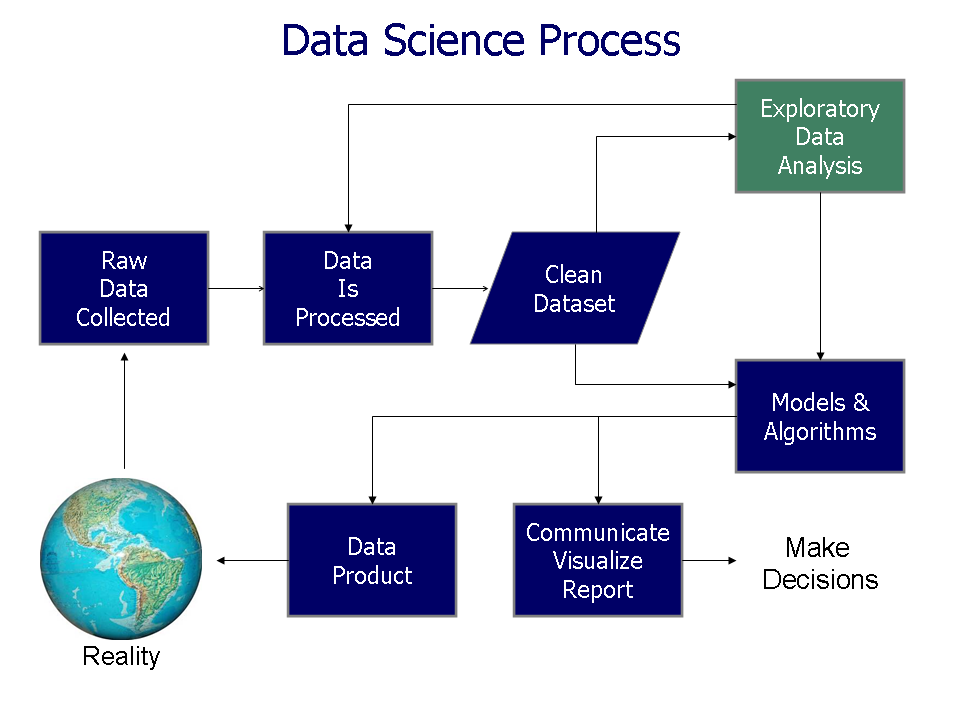
The Process of Analysis
Every data analysis project follows a general path from a raw collection of facts to a meaningful insight. This workflow ensures that the conclusions are reliable and based on well-prepared information.
First is Data Collection, where information is gathered from various sources like surveys, sales records, or website activity. Next comes Data Cleaning. This is a critical step where errors, duplicates, and inconsistencies are fixed. You wouldn't want to make a decision based on faulty information. Think of it as washing vegetables before cooking them; it ensures the final result is good.
After cleaning, the data undergoes Transformation. This involves structuring and organizing the data into a suitable format for analysis. For example, you might group customer data by location or convert dates into a standard format.
Then comes Modeling. This is where you apply logical or statistical techniques to find patterns, relationships, or trends. It’s where the raw numbers start to tell a story. Finally, the process ends with interpreting these findings to inform conclusions and support decision-making.
The main goal of data analysis is to turn data into insight. It's about moving from knowing what happened to understanding why it happened.
Data in the Real World
Data analysis isn't just an academic exercise; it drives action across nearly every industry.
- In retail, companies like Amazon and Netflix analyze your viewing and purchase history to recommend products and shows you might like.
- In healthcare, hospitals analyze patient data to predict disease outbreaks and improve treatment plans.
- In finance, banks use data analysis to detect fraudulent transactions in real-time, protecting customers from theft.
- In transportation, services like Uber and Lyft use data to predict demand, manage their fleet of drivers, and set prices.
In each case, data provides a clearer picture of reality, helping organizations make smarter, more effective choices. This foundational process of collecting, cleaning, and interpreting data is the first step toward unlocking its power.
What is the primary purpose of data analysis?
Which step in the data analysis workflow involves fixing errors, removing duplicates, and handling inconsistencies?